
News
Ogun State Workers Protest: Demanding Fair Electricity Tariffs

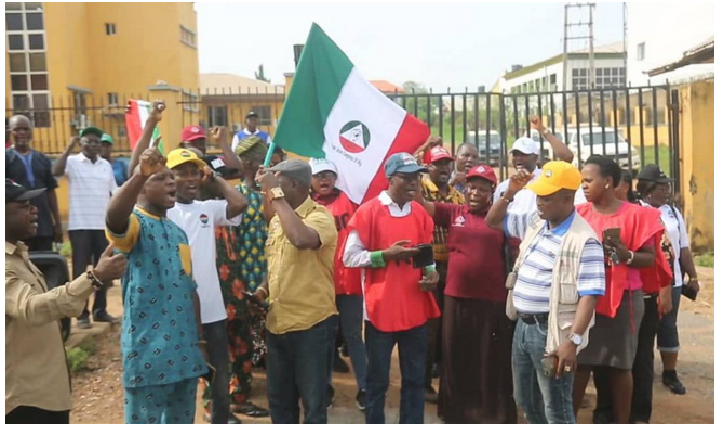
Ogun state workers are voicing their concerns over the recent removal of subsidies from the power sector and the subsequent increase in electricity tariffs. The protests, led by the Nigeria Labour Congress (NLC) and Trade Union Congress (TUC), highlight the challenges faced by citizens amidst economic uncertainties.
Gathering at IBEDC Office
On Monday, workers assembled at the IBEDC office in Abeokuta to express their discontent. The protest signifies a unified stance against the government’s decision to remove subsidies, affecting the cost of essential services like electricity.
Calls for Reversal
NLC chairman, Hameed Benco, emphasized the urgent need to reverse the tariff increase. His plea to President Tinubu underscores the economic hardships faced by Nigerians and the necessity for affordable electricity rates.
Challenges Faced
Lack of Energy Supply
TUC Chairman Akeem Lasisi highlighted the ongoing issue of energy scarcity. The inefficiency in distributing electricity compounds the burden on consumers, who now face higher tariffs without corresponding improvements in service.
Consequences of Inefficiency
Benco and Lasisi both condemned the policy, arguing that citizens should not bear the consequences of leadership incompetence. They urged a focus on improving energy distribution rather than burdening consumers with increased costs.
Singular Demand
Reverting to Previous Prices
The core demand of the protesters is a return to the previous electricity tariffs. They argue that maintaining affordable rates is crucial for ensuring access to essential services without overburdening the populace.
Conclusion
The protests in Ogun State reflect broader concerns about economic policies impacting citizens’ daily lives. The demand for fair electricity tariffs is a call for responsible governance and equitable access to vital resources.
FAQs
- Why are workers protesting in Ogun State?
- Workers are protesting the removal of subsidies and the subsequent increase in electricity tariffs, which they believe are unfair.
- What is the NLC and TUC’s stance on the tariff increase?
- Both unions demand a reversal of the tariff increase to maintain affordable electricity rates for all Nigerians.
- What challenges do Nigerians face regarding energy supply?
- Nigerians often experience energy scarcity and unreliable distribution, despite tariff hikes.
- How do protesters propose addressing leadership inefficiency?
- Protesters urge leaders to focus on improving energy distribution rather than burdening consumers with higher tariffs.
- What is the significance of protesting at the IBEDC office?
- The protest location highlights the direct impact of electricity tariffs on consumers served by the distribution company.
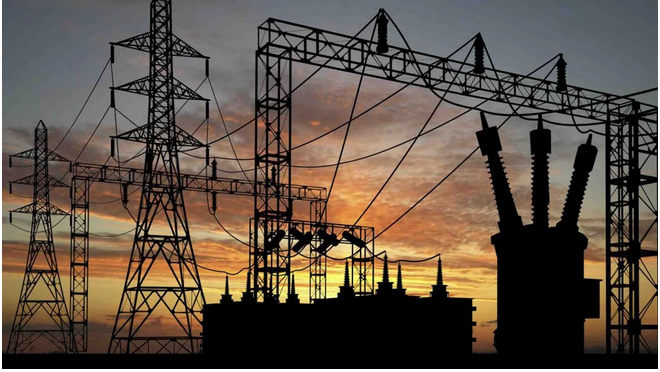
The Nigerian government has announced that restoration of the national grid has commenced hours after its collapse on Tuesday, the second such incident since Friday last week.
The Nigeria Independent System Operator (NISO), in an update on Tuesday, said nationwide electricity restoration began around 11:00 a.m. following the collapse at about 10:48 a.m. the same day.
NISO clarified that the grid disturbance originated from the Gombe Transmission Substation. However, restoration began at about 11:11 a.m. and has since been completed.
“The national grid experienced a voltage disturbance which originated from the Gombe Transmission Substation.
“The disturbance rapidly propagated across the network, affecting Jebba, Kainji, and subsequently Ayede Transmission Substations. The event was accompanied by the tripping of some transmission lines and generating units, resulting in a partial system collapse.
“Appropriate corrective actions were immediately implemented to stabilize the system and restore normal operations. Restoration, which began at about 11:11 a.m., has since been completed.
“The incident only affected part of the grid; therefore, it was not a total collapse as reported.”
He added that the national grid has been fully restored and electricity supply across the affected areas has returned to normal.
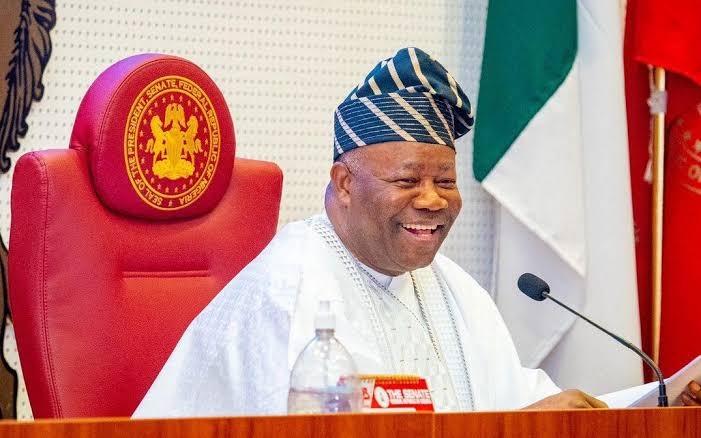
The Chief Justice of Nigeria will now have an annual salary of N64 million, the President of the Court of Appeal will receive ₦62.4 million annually, and the Justices of the Supreme Court will each earn ₦61.4 million annually.
The Nigerian Senate has recently approved a landmark 300% salary increase for judicial workers, marking a significant milestone in the ongoing efforts to enhance the judicial system’s efficiency and morale. This decision is aimed at addressing the long-standing issues of inadequate compensation and improving the overall working conditions of judicial employees across the country.
Historical Context and Need for Salary Adjustment
The issue of inadequate compensation for judicial workers has been a persistent challenge in Nigeria. The last significant adjustment to their salaries was made several years ago, during which inflation and the rising cost of living have significantly eroded the purchasing power of these essential workers. Judicial staff, including clerks, registrars, and other administrative personnel, have continually advocated for better pay to reflect their crucial role in the administration of justice.
Previous Salary Structures
Historically, the salaries of judicial workers have lagged behind those in other sectors, despite the critical nature of their work. This disparity has led to widespread dissatisfaction, reduced morale, and in some cases, compromised the efficiency of the judicial process. The newly approved salary increase aims to rectify these issues, ensuring that judicial workers are adequately compensated for their contributions to society.
Economic and Social Justifications
The approved salary increase is not just a matter of fairness but also an economic imperative. By boosting the incomes of judicial workers, the government aims to enhance their quality of life, reduce poverty, and stimulate economic activity. Higher salaries are expected to lead to increased spending, which can drive demand for goods and services, ultimately benefiting the broader economy.
Details of the Salary Increase
Scale and Scope of the Increase
The 300% salary increase will be implemented across all levels of judicial workers. This substantial adjustment is designed to bring their compensation in line with current economic realities and ensure a decent standard of living. Each category of judicial staff will receive a proportional increase based on their existing pay grade, ensuring that the benefits are equitably distributed.
New Judicial Workers Salary breakdown
As reported by Daily Trust, if the House of Representatives approves the bill and it receives presidential assent, the Chief Justice of Nigeria, Justice Olukayode Ariwoola, will have an annual salary of ₦64 million.
The President of the Court of Appeal will receive ₦62.4 million annually, while the Justices of the Supreme Court will each earn ₦61.4 million annually.
Heads of various courts, such as the Chief Judge of the Federal High Court, the Chief Judge of the Federal Capital Territory High Court, and the President of the National Industrial Court, will each have a basic annual salary of ₦7.9 million.
Senator Monguno mentioned that the proposed legislation is timely and necessary, emphasising that the increase in judicial officers’ pay is long overdue due to the current economic conditions and high inflation.
He also noted that the salary increment is included in the 2024 Appropriation Act.
Phased Implementation Plan
To manage the financial implications and ensure a smooth transition, the salary increase will be rolled out in phases. The initial phase will see an immediate 100% increase, with subsequent increments scheduled over the following months. This phased approach allows the government to adjust budgetary allocations and mitigate any potential economic disruptions.
Additional Benefits and Incentives
Alongside the salary increase, the government has also introduced several complementary measures to enhance the overall welfare of judicial workers. These include:
- Enhanced Healthcare Benefits: Comprehensive health insurance packages to cover medical expenses for judicial workers and their families.
- Housing Allowances: Increased housing allowances to help workers secure better living conditions.
- Professional Development Programs: Investment in continuous training and development to improve skills and career advancement opportunities for judicial staff.
Impacts on the Judicial System
Boosting Morale and Productivity
One of the immediate benefits of the salary increase is expected to be a significant boost in morale among judicial workers. Adequate compensation is likely to improve job satisfaction, reduce turnover rates, and increase productivity. Motivated and well-compensated workers are essential for the efficient functioning of the judicial system.
Enhancing Judicial Efficiency
With better pay and improved working conditions, judicial workers can focus more effectively on their duties. This improvement is anticipated to lead to faster processing of cases, reduced backlogs, and overall enhanced efficiency within the judicial system. An efficient judiciary is crucial for upholding the rule of law and ensuring timely justice for all citizens.
Economic and Social Benefits
The salary increase is also expected to have broader economic and social benefits. Higher incomes for judicial workers can lead to increased consumer spending, which stimulates local economies. Additionally, improved job satisfaction and reduced financial stress can contribute to better mental and physical health among workers, enhancing their overall quality of life.
Addressing Potential Challenges
Budgetary Considerations
Implementing a 300% salary increase poses significant budgetary challenges. The government will need to reallocate resources and possibly increase revenue generation to sustain the increased wage bill. Careful fiscal planning and efficient resource management will be crucial to ensure that the salary increase does not compromise other essential services.
Managing Public Expectations
The approval of a significant salary increase for judicial workers may lead to similar demands from other public sector employees. The government will need to engage in effective communication and negotiation to manage expectations and ensure that the salary adjustments are sustainable and justified.
Ensuring Long-Term Sustainability
To ensure that the benefits of the salary increase are sustained in the long term, it is essential to implement measures that promote accountability and performance. Regular performance evaluations, continued investments in training and development, and improvements in the working environment will be key to maintaining high standards within the judiciary.
Conclusion: A Step Towards Judicial Reform
The Senate’s approval of a 300% salary increase for judicial workers is a significant step towards judicial reform in Nigeria. By addressing the long-standing issue of inadequate compensation, this decision is expected to improve the morale and efficiency of judicial staff, leading to a more effective and trusted judicial system. The accompanying measures to enhance healthcare, housing, and professional development further underscore the government’s commitment to supporting judicial workers and ensuring the sustainability of this reform.
By prioritizing the well-being of judicial workers and implementing a comprehensive support framework, Nigeria can look forward to a more robust and effective judiciary, ultimately fostering greater public trust and ensuring the fair administration of justice.
News
Comprehensive Overview of the Ranches Commission Bill: Impact on Fulani Herders and States of Origin
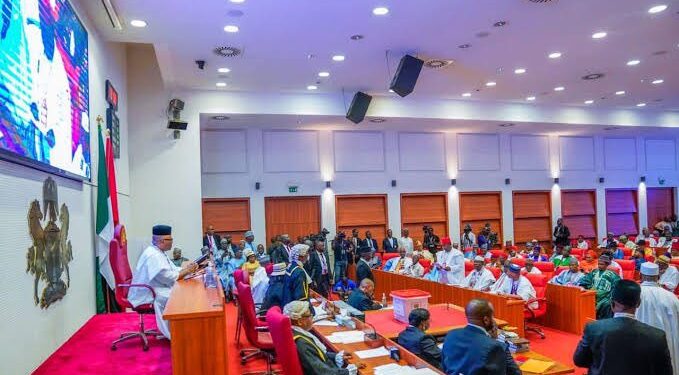
The Ranches Commission Bill, recently introduced in the legislative assembly, aims to address the growing concerns around pastoralism and land use in Nigeria. This bill proposes the relocation of Fulani herders to their states of origin as a solution to the ongoing farmer-herder conflicts. The implications of this bill are far-reaching and necessitate a detailed analysis to understand its potential impact on the herders, the states, and the overall agricultural landscape in Nigeria.
The Ranches Commission Bill has recently sparked a significant debate across Nigeria. This legislative proposal, aimed at addressing the long-standing herder-farmer conflicts, has far-reaching implications for Fulani herders, state governments, and the agricultural landscape of the country.
Background and Purpose of the Ranches Commission Bill
The primary objective of the Ranches Commission Bill is to establish a structured framework for ranching in Nigeria. This involves creating designated ranching areas to mitigate the frequent clashes between nomadic herders and local farmers. By promoting sedentary livestock management, the bill seeks to enhance agricultural productivity, ensure food security, and foster peaceful coexistence among communities.
Key Provisions of the Ranches Commission Bill
Establishment of the Ranches Commission
The bill proposes the creation of a Ranches Commission, a federal body responsible for overseeing the implementation and management of ranching zones. This commission will work in collaboration with state governments and other stakeholders to identify suitable locations for ranches and provide necessary support to herders transitioning from nomadic to sedentary lifestyles.
Relocation of Fulani Herders to States of Origin

A contentious aspect of the bill is the provision that mandates the relocation of Fulani herders to their states of origin. This measure is intended to reduce the pressure on states currently bearing the brunt of herder-farmer conflicts. It is expected to facilitate better resource management and conflict resolution within each state.
Support and Incentives for Ranching
The bill outlines various forms of support and incentives for herders adopting ranching practices. These include access to loans, grants, veterinary services, and modern farming equipment. By providing these resources, the government aims to make ranching a viable and attractive alternative to traditional nomadic grazing.
Implications for Fulani Herders
Cultural and Economic Impact
The relocation clause has significant cultural and economic implications for Fulani herders. Nomadic pastoralism is deeply ingrained in Fulani culture, and transitioning to a sedentary lifestyle may challenge their traditional way of life. Economically, the shift to ranching requires substantial investment and adaptation to new farming techniques.
Access to Resources
Relocating herders to their states of origin may improve their access to resources and government support.
Key Provisions of the Ranches Commission Bill
Establishment of the Ranches Commission
The bill proposes the creation of a Ranches Commission, a regulatory body tasked with overseeing the establishment, maintenance, and management of ranches. This commission will be responsible for:
- Identifying suitable land for ranch development.
- Providing technical and financial support to herders.
- Ensuring compliance with environmental and land use regulations.
- Facilitating training and capacity-building programs for herders.
Relocation of Fulani Herders
A significant aspect of the bill is the mandated relocation of Fulani herders to their states of origin. This provision aims to reduce the tension between herders and local farmers by segregating herding activities to specific areas. The relocation process involves:
- Conducting a census of Fulani herders to identify their states of origin.
- Coordinating with state governments to allocate land for ranches.
- Providing relocation assistance, including transportation and initial settlement support.
Support for Sustainable Livestock Farming
To ensure the success of the ranches, the bill includes measures to support sustainable livestock farming practices. These measures include:
- Access to veterinary services and animal health care.
- Provision of high-quality fodder and water resources.
- Training programs on modern livestock management techniques.
- Financial incentives and grants for ranch development.
Potential Impact on Fulani Herders
The relocation and establishment of ranches present both opportunities and challenges for Fulani herders. The transition to ranching can lead to improved livestock productivity and better living conditions. However, the success of this initiative depends on several factors:
Improved Livestock Management
Ranching allows for better control over livestock health and breeding practices. Herders can benefit from veterinary services and structured feeding programs, which can lead to higher quality and more productive livestock.
Socioeconomic Adjustment
The shift from a nomadic lifestyle to a sedentary one requires significant adjustment. Herders will need support in adapting to new ways of living and managing their livestock. This includes education on modern farming techniques and financial management.
Cultural Considerations
The nomadic lifestyle is deeply ingrained in Fulani culture. The relocation process must be sensitive to cultural practices and provide avenues for herders to maintain their cultural identity while adapting to new farming methods.
Impact on States and Local Communities
The implementation of the Ranches Commission Bill will have a substantial impact on the states of origin and local communities where the ranches will be established. Key considerations include:
Land Allocation and Use
States will need to identify and allocate suitable land for ranch development. This process must ensure that the rights of local communities are respected and that there is minimal disruption to existing land use patterns.
Economic Benefits
The development of ranches can stimulate local economies by creating job opportunities and boosting agricultural productivity. Local businesses can benefit from the increased demand for goods and services related to ranching.
Social Cohesion
Effective implementation of the relocation process can reduce conflicts between herders and farmers, fostering social cohesion and peace in rural areas. It is crucial that all stakeholders are involved in the planning and implementation phases to ensure a smooth transition.
Challenges and Mitigation Strategies
Land Acquisition and Compensation
Securing land for ranches may lead to disputes and resistance from local communities. It is essential to have a transparent land acquisition process and provide fair compensation to affected landowners.
Infrastructure Development
Establishing ranches requires substantial investment in infrastructure, including roads, water supply, and veterinary clinics. The government must allocate sufficient resources and collaborate with private sector partners to ensure the necessary infrastructure is in place.
Continuous Support and Monitoring
The success of the ranching initiative depends on ongoing support and monitoring. The Ranches Commission must have the capacity to provide continuous technical and financial assistance to herders and ensure compliance with ranching regulations.
Conclusion
The Ranches Commission Bill represents a significant step towards resolving the longstanding farmer-herder conflicts in Nigeria. By promoting sustainable livestock farming and providing structured support to Fulani herders, the bill has the potential to transform the agricultural landscape and enhance rural development. However, careful planning, inclusive stakeholder engagement, and robust implementation strategies are essential to achieve the desired outcomes.
By addressing the multifaceted challenges associated with herding and land use, the Ranches Commission Bill can pave the way for a more peaceful and prosperous future for Nigeria’s agricultural sector.

The Federal Government and the Organised labour, on Monday night signed an agreement over the minimum wage controversy.
The agreement was signed after a marathon meeting brokered by the Secretary to the Government of the Federation, Senator George Akume.
DAILY POST reports that the meeting was convened in response to the nationwide strike which grounded activities across the country.
Details of the agreement below:
RESOLUTIONS REACHED AT THE MEETING BETWEEN THE FEDERAL GOVERNMENT AND THE ORGANISED LABOUR HELD ON MONDAY 3RD JUNE, 2024
Further to the negotiation by the Tripartite Committee on National Minimum Wage (NMW) and subsequent withdrawal of Labour from negotiation, the Leadership of the National Assembly intervened on 2nd June, 2024. The Organised Labour declared nationwide strike on Monday, 3rd June, 2024 to drive home its demands.
2. The Federal Government, in the National interest, convened a meeting with Labour held in the office of the Secretary to the Government of the Federation, on Monday 3rd June, with a view to ending the strike action.
3. After exhaustive deliberation and engagement by both parties, the following resolutions were reached:
1. The President, Commander-in-Chief of the Armed Forces, Federal Republic of Nigeria is committed to a National Minimum Wage that is higher than N60,000;
II. Arising from the above, the Tripartite Committee is to meet everyday for the next one week with a view to arriving at an agreeable National Minimum Wage;
III. Labour in deference to the high esteem of the President, Commander-in-Chief of the Armed Forces, Federal Republic of Nigeria’s commitment in (ii) above undertakes to convene a meeting of its organs immediately to consider this commitment; and
IV. No worker would be victimized as a result of the industrial action.
Done in Abuja on the 3rd of June, 2024.
Signed
For the Federal Government of Nigeria:
1. Mohammed Idris
03/08/24
Minister of Information and National Orientation
2. Hon. Nkeiruka Onyejeocha
Nerf 3/6/24
Minister of State for Labour and Employment
For the Organised Labour:
1. Joe Ajaero
President, Nigeria Labour Congress (NLC)
2. Festus Osifo
President, Trade Union Congress (TUC)

Nigerian govt gives update on national grid collapse
BREAKING: President Tinubu scraps two ministries, merges others

MTN offices besieged as aggrieved subscribers protest over sim blockage
-
Gov. Ambode11 years ago
Lagos commences prosecution of 28 tax defaulters
-

 Entertainment3 years ago
Portable boasts of owning 30 Mansion Across Lagos and Ogun State
-
Ankara5 years ago
50 Best Lace Blouse Styles for Tying Wrappers for 2022
-

 News3 years ago
The safest country in Africa
-
Uncategorized3 years ago
Kim Petras Share Mouth Watering Nude Picture that got everyone talking
-
Erica BBnaija6 years ago
“Can you bring Erica back?” – Kiddwaya pleads with Big Brother (Video)
-
Big Bums11 years ago
YOU WANT TO HAVE A BIG BUTT? This Woman Explain From A – Z The Health Benefit of Women With Big Butt. It’s so Amazing.
-
 Entertainment3 years ago
Mr. Ibu Amputated Video Surface online