
Fulani Herdsmen
Those involved in clashes between herdsmen and farmers are not Fulanis- Minister tells Senate


The Minister of State for Agriculture, Senator Heineken Lokpobiri, yesterday told the Senate that the criminals involved in clashes between herdsmen and farmers are not necessarily Fulanis. He said this at a Senate investigative hearing on the perennial clashes between herdsmen and farmers.
“We believe that most of those involved in the clashes between herdsmen and farmers are not necessarily the Fulani. They could be another gang of Boko Haram who may not be Nigerians,” he said
Lopobiri went further to proffer solutions to the problems associated with herdsmen
“The best way to solve this problem will be the creation of ranches. If we create ranches, we will provide what the Fulani man is looking for,” he said
News
Comprehensive Overview of the Ranches Commission Bill: Impact on Fulani Herders and States of Origin

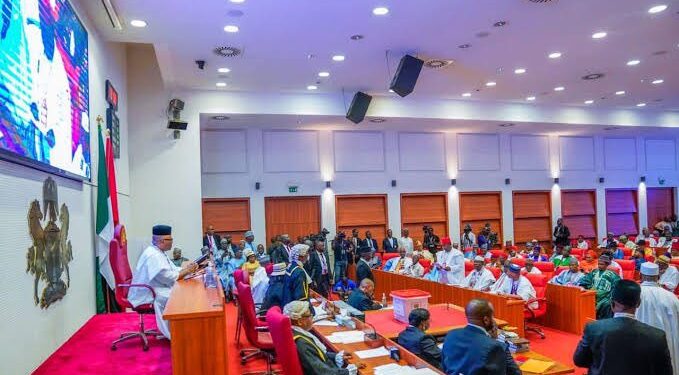
The Ranches Commission Bill, recently introduced in the legislative assembly, aims to address the growing concerns around pastoralism and land use in Nigeria. This bill proposes the relocation of Fulani herders to their states of origin as a solution to the ongoing farmer-herder conflicts. The implications of this bill are far-reaching and necessitate a detailed analysis to understand its potential impact on the herders, the states, and the overall agricultural landscape in Nigeria.
The Ranches Commission Bill has recently sparked a significant debate across Nigeria. This legislative proposal, aimed at addressing the long-standing herder-farmer conflicts, has far-reaching implications for Fulani herders, state governments, and the agricultural landscape of the country.
Background and Purpose of the Ranches Commission Bill
The primary objective of the Ranches Commission Bill is to establish a structured framework for ranching in Nigeria. This involves creating designated ranching areas to mitigate the frequent clashes between nomadic herders and local farmers. By promoting sedentary livestock management, the bill seeks to enhance agricultural productivity, ensure food security, and foster peaceful coexistence among communities.
Key Provisions of the Ranches Commission Bill
Establishment of the Ranches Commission
The bill proposes the creation of a Ranches Commission, a federal body responsible for overseeing the implementation and management of ranching zones. This commission will work in collaboration with state governments and other stakeholders to identify suitable locations for ranches and provide necessary support to herders transitioning from nomadic to sedentary lifestyles.
Relocation of Fulani Herders to States of Origin
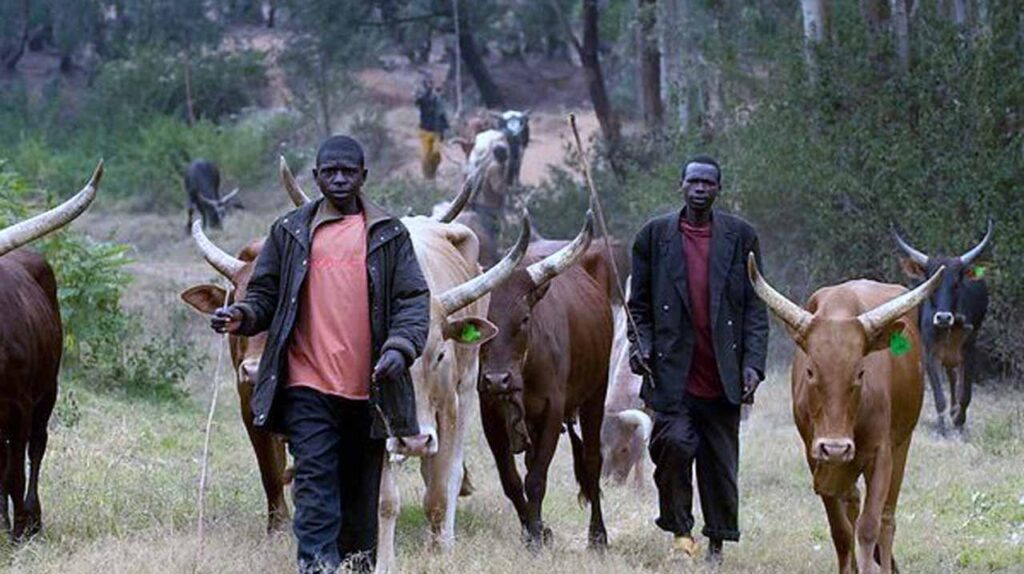
A contentious aspect of the bill is the provision that mandates the relocation of Fulani herders to their states of origin. This measure is intended to reduce the pressure on states currently bearing the brunt of herder-farmer conflicts. It is expected to facilitate better resource management and conflict resolution within each state.
Support and Incentives for Ranching
The bill outlines various forms of support and incentives for herders adopting ranching practices. These include access to loans, grants, veterinary services, and modern farming equipment. By providing these resources, the government aims to make ranching a viable and attractive alternative to traditional nomadic grazing.
Implications for Fulani Herders
Cultural and Economic Impact
The relocation clause has significant cultural and economic implications for Fulani herders. Nomadic pastoralism is deeply ingrained in Fulani culture, and transitioning to a sedentary lifestyle may challenge their traditional way of life. Economically, the shift to ranching requires substantial investment and adaptation to new farming techniques.
Access to Resources
Relocating herders to their states of origin may improve their access to resources and government support.
Key Provisions of the Ranches Commission Bill
Establishment of the Ranches Commission
The bill proposes the creation of a Ranches Commission, a regulatory body tasked with overseeing the establishment, maintenance, and management of ranches. This commission will be responsible for:
- Identifying suitable land for ranch development.
- Providing technical and financial support to herders.
- Ensuring compliance with environmental and land use regulations.
- Facilitating training and capacity-building programs for herders.
Relocation of Fulani Herders
A significant aspect of the bill is the mandated relocation of Fulani herders to their states of origin. This provision aims to reduce the tension between herders and local farmers by segregating herding activities to specific areas. The relocation process involves:
- Conducting a census of Fulani herders to identify their states of origin.
- Coordinating with state governments to allocate land for ranches.
- Providing relocation assistance, including transportation and initial settlement support.
Support for Sustainable Livestock Farming
To ensure the success of the ranches, the bill includes measures to support sustainable livestock farming practices. These measures include:
- Access to veterinary services and animal health care.
- Provision of high-quality fodder and water resources.
- Training programs on modern livestock management techniques.
- Financial incentives and grants for ranch development.
Potential Impact on Fulani Herders
The relocation and establishment of ranches present both opportunities and challenges for Fulani herders. The transition to ranching can lead to improved livestock productivity and better living conditions. However, the success of this initiative depends on several factors:
Improved Livestock Management
Ranching allows for better control over livestock health and breeding practices. Herders can benefit from veterinary services and structured feeding programs, which can lead to higher quality and more productive livestock.
Socioeconomic Adjustment
The shift from a nomadic lifestyle to a sedentary one requires significant adjustment. Herders will need support in adapting to new ways of living and managing their livestock. This includes education on modern farming techniques and financial management.
Cultural Considerations
The nomadic lifestyle is deeply ingrained in Fulani culture. The relocation process must be sensitive to cultural practices and provide avenues for herders to maintain their cultural identity while adapting to new farming methods.
Impact on States and Local Communities
The implementation of the Ranches Commission Bill will have a substantial impact on the states of origin and local communities where the ranches will be established. Key considerations include:
Land Allocation and Use
States will need to identify and allocate suitable land for ranch development. This process must ensure that the rights of local communities are respected and that there is minimal disruption to existing land use patterns.
Economic Benefits
The development of ranches can stimulate local economies by creating job opportunities and boosting agricultural productivity. Local businesses can benefit from the increased demand for goods and services related to ranching.
Social Cohesion
Effective implementation of the relocation process can reduce conflicts between herders and farmers, fostering social cohesion and peace in rural areas. It is crucial that all stakeholders are involved in the planning and implementation phases to ensure a smooth transition.
Challenges and Mitigation Strategies
Land Acquisition and Compensation
Securing land for ranches may lead to disputes and resistance from local communities. It is essential to have a transparent land acquisition process and provide fair compensation to affected landowners.
Infrastructure Development
Establishing ranches requires substantial investment in infrastructure, including roads, water supply, and veterinary clinics. The government must allocate sufficient resources and collaborate with private sector partners to ensure the necessary infrastructure is in place.
Continuous Support and Monitoring
The success of the ranching initiative depends on ongoing support and monitoring. The Ranches Commission must have the capacity to provide continuous technical and financial assistance to herders and ensure compliance with ranching regulations.
Conclusion
The Ranches Commission Bill represents a significant step towards resolving the longstanding farmer-herder conflicts in Nigeria. By promoting sustainable livestock farming and providing structured support to Fulani herders, the bill has the potential to transform the agricultural landscape and enhance rural development. However, careful planning, inclusive stakeholder engagement, and robust implementation strategies are essential to achieve the desired outcomes.
By addressing the multifaceted challenges associated with herding and land use, the Ranches Commission Bill can pave the way for a more peaceful and prosperous future for Nigeria’s agricultural sector.

Ogun State Police Command has released names of five pastors of the Redeemed Christian Church of God, RCCG, abducted by suspected Fulani herdsmen.
SteadyGist had reported that the General Overseer of the RCCG, Pastor Enoch Adeboye, announced the abduction of the clerics on Friday at the Redeemed Camp along the Lagos-Ibadan Expressway.
Adeboye, while charging the congregation to pray for the release of the abductees, said the abduction took place on Thursday along the Ijebu-Ode axis.
“As a father, how do you think I should feel to hear that five of my children have been kidnapped while on their way to attend the Ministers Conference?” he had asked.
Speaking with journalists on Friday in Abeokuta, the police spokesman in Ogun, Abimbola Oyeyemi, disclosed names of the RCCG pastors.
Oyeyemi identified the victims as:
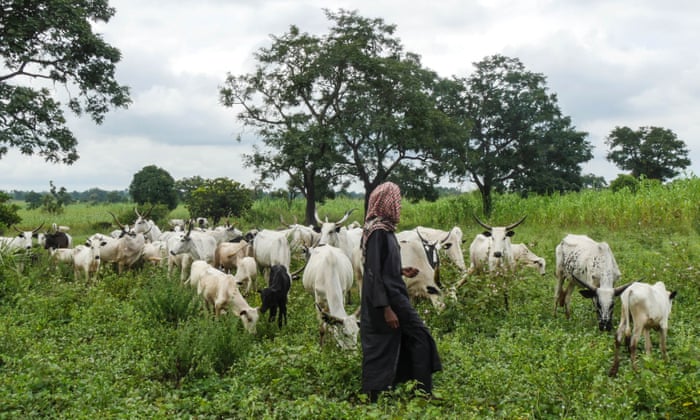
As part of efforts to avoid possible clash between herdsmen and the civil populace, the Bayelsa State Government has donated 1,200 hectares of land to cattle rearers in the state.
The large piece of land according to government was for grazing, ranching and slaughtering of their cattle in the state. The state government had announced the restriction of the activities of herdsmen in some areas of the state, including the state capital, Yenagoa.The state government said its decision was to prevent the invasion of farmlands and check any security breaches.
Governor Seriake Dickson, who issued the restriction order late last year, had said the measure became imperative in view of the recent upsurge in violence and criminal activities of some cattle rearers in some parts of Nigeria.
He had also warned cattle rearers against bearing arms in the course of grazing their livestock, threatening that anyone caught with weapons would be dealt with in accordance with the law..

•Maikori Apologises For Hoax Killings •PFN Condemns President’s Silence Over Worrisome Deaths •Buratai Pledges Neutrality Of Nigerian Army
Following the gradual return of peace to the troubled Southern Kaduna, the state government has relaxed the 24-hour curfew imposed on Zangon-Kataf Local Council of Kaduna State.
This is as the chief executive officer of Chocolate City, Lagos State, Audu Maikori, who is an indigene of the area, has apologised for tweeting about the alleged killing of five students of the College of Education, Gidan Waya, Kafanchan, by Fulani herdsmen.
Media aide to Governor Nasir El-Rufai, Samuel Aruwan, in a statement, yesterday, said that the 24-hour curfew has been relaxed, and it “is now in effect only between 6pm and 6am every day.”
According to him, the Kaduna State Security Council took the decision to relax the curfew following a review of the situation in the affected council. Maikori, remarked that after the school and the state government refuted the alleged killings, he decided to further investigate the story in order to present the evidence to the authorities.
Things, however, took a different turn after his driver, who claimed his younger brother was one of the victims, failed to, upon his return from the purported burial, provide the deceased’s identity card and pictures of the casket to enable him (Maikori) buttress his claim, and clear his name.
“The long and short of this is that on February 2, 2017, I went in company of his relative to the Lekki Police Station for questioning after his inability to provide any concrete evidence of the death of his brother and fellow students.”
Meanwhile, the Pentecostal Fellowship of Nigeria (PFN) has condemned the killings of Christians in Southern Kaduna, just as it maintains that President Muhammadu Buhari, has kept silence over the killings for so long.
The body, however, commended the efforts of Federal Government in its fight against insurgency, stating that the menace of the Fulani herdsman could prove to be worse than Boko Haram.
Speaking at a conference in Lagos on the state of the nation, Chairman, PFN, Lagos Chapter, Bishop Sola Ore, said: “We are left with no alternative than to conclude that there is something in the offing that is not clear to many Nigerians. What is happening in Southern Kaduna presently is worrisome, to say the least.
“Who has been prosecuted for the killings of innocent lives in Kaduna if I may ask? Who has been sent to jail? As a matter of fact, which of the Boko Haram insurgents has been prosecuted? Is this government saying it does not know the masterminds of these dastardly acts?” he queried.
The chief of Army Staff, Lt. General Tukur Buratai, has said that the army, which is in Southern Kaduna to restore peace would not take sides in the conflict.
The Army chief made this known when he paid courtesy visits to the Chief of Kagoro, Ufuwai Bonet and Emir of Jema’a, Alhaji Muhammad Isah at their palaces, yester. He said: “We are not going to spare anyone that is fomenting trouble in the area, no matter his standing.”


Nigerian govt gives update on national grid collapse

BREAKING: President Tinubu scraps two ministries, merges others

MTN offices besieged as aggrieved subscribers protest over sim blockage
-
Gov. Ambode11 years ago
Lagos commences prosecution of 28 tax defaulters
-
Fashion9 years ago
These ’90s fashion trends are making a comeback in 2017
-
Entertainment9 years ago
The final 6 ‘Game of Thrones’ episodes might feel like a full season
-

 Entertainment3 years ago
Portable boasts of owning 30 Mansion Across Lagos and Ogun State
-
Fashion9 years ago
According to Dior Couture, this taboo fashion accessory is back
-
Entertainment9 years ago
The old and New Edition cast comes together to perform
-
Sports9 years ago
Phillies’ Aaron Altherr makes mind-boggling barehanded play
-
Ankara5 years ago
50 Best Lace Blouse Styles for Tying Wrappers for 2022