Celebrities
Old National Anthem: Bring back old Naira-dollar exchange rate, fuel pump price too – Igosave tells Nigerian govt


Following the reinstatement of Nigeria’s old National Anthem, “Nigeria, We Hail Thee,” comedian Otaghware Otas Onodjayeke, also known as Igosave, has called on President Bola Tinubu’s administration to not only revive the anthem but also restore the country’s economy and security standards to their former glory.
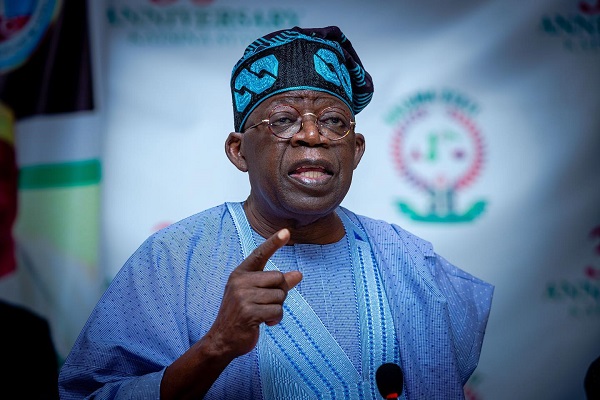
President Bola Tinubu signed the National Anthem Bill 2024 into law on Wednesday, marking the return of the old anthem. In response, Igosave urged the government to address the economic and security issues that have plagued Nigeria in recent years. He expressed his thoughts on Instagram, highlighting the need for a return to the favorable conditions of the past.
The Historical Significance of “Nigeria, We Hail Thee”
Origins of the Anthem
“Nigeria, We Hail Thee” was Nigeria’s first national anthem, adopted when the country gained independence in 1960. Composed by Lillian Jean Williams and arranged by Frances Berda, the anthem embodied the hopes and aspirations of a newly independent nation.
Transition to “Arise, O Compatriots”
In 1978, the anthem was replaced by “Arise, O Compatriots,” composed by the Nigerian Police Band under the directorship of Benedict E. Odiase. This change was driven by a desire to have an anthem that reflected more contemporary themes and a broader nationalistic spirit.
The Economic Landscape: Then and Now
Economic Conditions During the Era of “Nigeria, We Hail Thee”
In the early years following independence, Nigeria experienced significant economic growth, largely driven by agriculture and natural resources. The naira was strong, and the country enjoyed a period of relative stability and prosperity.
Current Economic Challenges
Today, Nigeria faces numerous economic challenges, including inflation, high unemployment rates, and a weakened currency. The price of essential goods and services, such as fuel and food, has skyrocketed, placing a heavy burden on the average Nigerian.
Igosave’s Call for Economic Restoration
Igosave’s remarks underscore the desire of many Nigerians to see a return to the economic conditions that characterized the early post-independence era. He specifically mentioned the need for lower fuel prices, a stronger dollar-to-naira exchange rate, and better overall economic management.
The State of Security in Nigeria
Historical Perspective on Security
During the period when “Nigeria, We Hail Thee” was the national anthem, Nigeria experienced relative peace and security. While there were challenges, the scale and frequency of violent incidents were significantly lower than what is seen today.
Contemporary Security Issues
Nigeria is currently grappling with severe security issues, including terrorism, banditry, and kidnapping. These challenges have led to a general sense of insecurity and have had a detrimental impact on the country’s economic and social stability.
Celebrities’ Reactions and Public Sentiment
Alongside Igosave, other prominent figures such as actress Kate Henshaw and singer Joeboy have criticized the government for focusing on symbolic changes like the national anthem while neglecting pressing issues like security and economic stability.
The Symbolic Power of National Anthems
National Identity and Unity
National anthems play a crucial role in fostering a sense of identity and unity among citizens. “Nigeria, We Hail Thee” is a symbol of Nigeria’s rich history and the aspirations of its people.
The Potential for National Rejuvenation
Reintroducing the old anthem could serve as a catalyst for a broader movement towards national rejuvenation. It can inspire a collective effort to address the economic and security challenges facing the country.
Government Initiatives and Public Expectations
Recent Government Actions
The Tinubu administration has taken several steps to address Nigeria’s economic and security issues. These include policy reforms, investment in infrastructure, and efforts to improve governance and accountability.
The Need for Comprehensive Reforms
However, there is a growing consensus that more comprehensive and sustained efforts are needed to achieve meaningful progress. This includes tackling corruption, improving education and healthcare, and creating an enabling environment for businesses to thrive.
The Role of Civil Society and Media
Advocacy and Accountability
Civil society organizations and the media play a critical role in holding the government accountable and advocating for the needs of the people. They can help ensure that the government prioritizes issues that directly impact the well-being of Nigerians.
Public Engagement and Participation
Engaging the public in the decision-making process is essential for creating policies that reflect the needs and aspirations of the people. This includes soliciting input from diverse stakeholders and fostering open dialogue on key issues.
The Importance of a Stable and Prosperous Nigeria
Regional and Global Implications
Nigeria’s stability and prosperity have significant implications for the broader West African region and the global community. As Africa’s most populous country and largest economy, Nigeria plays a crucial role in regional security, economic development, and international trade.
The Path Forward
Achieving a stable and prosperous Nigeria requires a multifaceted approach that addresses both immediate and long-term challenges. This includes investing in human capital, promoting good governance, and fostering inclusive economic growth.
Conclusion
The reinstatement of Nigeria’s old National Anthem, “Nigeria, We Hail Thee,” has sparked a renewed conversation about the country’s future. While the anthem serves as a powerful symbol of national pride and identity, it also highlights the urgent need for substantive reforms. By addressing the economic and security challenges that have hindered progress, the Nigerian government can honor the legacy of the past and pave the way for a brighter future. As citizens, media, and civil society come together to advocate for change, there is hope that Nigeria can achieve the stability and prosperity that its people deserve.