Politics
Tinubu Promised to Drop ministers who fail to meet Nigerians’ expectations

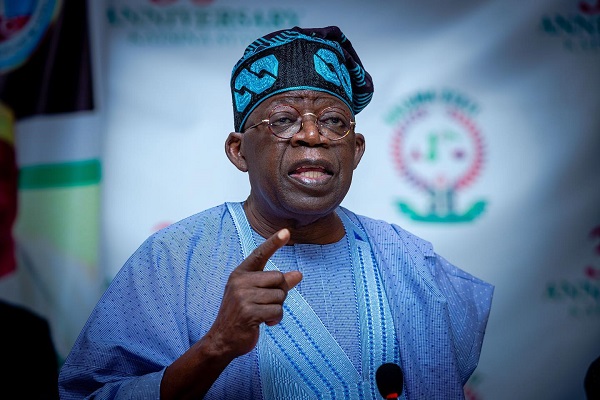
President Bola Ahmed Tinubu has vows to sack any member of his cabinet who fails to meet the expectations of Nigerians.
In a recent declaration, President Bola Tinubu has reaffirmed his commitment to ensuring that his administration meets the high expectations of the Nigerian populace. As part of his accountability drive, President Tinubu has vowed to dismiss any ministers who fail to deliver on their mandates. This bold stance underscores his dedication to fostering a government that is both responsive and responsible.
President Tinubu’s Vision for Nigeria
A New Era of Accountability
President Tinubu’s administration is anchored on a promise of transparency, efficiency, and accountability. He envisions a Nigeria where government officials are held to the highest standards and are expected to deliver tangible results that improve the lives of citizens. This commitment is a critical component of his broader strategy to restore trust in the government and drive national development.
Strategic Goals and Objectives
The administration’s strategic goals include economic revitalization, enhanced security, infrastructural development, and improved social services. Each minister has been assigned specific targets aligned with these overarching objectives. The performance of these ministers will be closely monitored to ensure they are contributing effectively to the nation’s progress.
Key Areas of Focus
Economic Revitalization
Economic growth is at the heart of President Tinubu’s agenda. The administration aims to stimulate the economy through various measures, including fostering a conducive environment for business, promoting foreign investment, and supporting small and medium enterprises (SMEs). Economic policies are designed to create jobs, reduce poverty, and enhance the overall quality of life for Nigerians.
Enhanced Security
Security remains a top priority for the Tinubu administration. With the rise of insurgency, banditry, and other forms of criminality, ensuring the safety of citizens is paramount. The government is implementing comprehensive security reforms, increasing funding for security agencies, and leveraging technology to combat crime effectively.
Infrastructural Development
Infrastructure development is crucial for economic growth and social well-being. The administration is committed to modernizing Nigeria’s infrastructure, including roads, bridges, ports, and power supply. These improvements are expected to boost economic activities and improve the quality of life for citizens.
Improved Social Services
Access to quality education, healthcare, and other social services is essential for national development. The Tinubu administration is working to enhance these services, ensuring that they are accessible and affordable for all Nigerians. Reforms in the education and healthcare sectors are designed to produce long-term benefits for the nation’s human capital.
Performance Monitoring and Evaluation
Setting Clear Expectations
Each minister has been given clear and measurable performance targets. These targets are designed to ensure that every member of the cabinet is working towards the administration’s strategic goals. Regular evaluations will be conducted to assess progress and identify areas for improvement.
Accountability Mechanisms
To enforce accountability, the administration has established robust mechanisms for monitoring and evaluation. These include performance reviews, audits, and public reporting. Ministers are required to provide regular updates on their progress, and any failures to meet expectations will be addressed promptly.
The Implications of Dismissing Non-Performing Ministers
Reinforcing Accountability
By committing to dismiss non-performing ministers, President Tinubu is sending a strong message about the importance of accountability. This approach is expected to motivate ministers to perform at their best, knowing that their positions depend on their ability to deliver results.
Building Public Trust
Public trust in government is crucial for national stability and development. The dismissal of ineffective ministers will demonstrate the administration’s commitment to serving the people and addressing their needs. This transparency is likely to enhance public confidence in the government’s ability to lead the country effectively.
Ensuring Effective Governance
Effective governance requires that all members of the administration work collaboratively towards common goals. Removing non-performing ministers will ensure that the cabinet remains cohesive and focused on achieving the administration’s objectives. This will ultimately lead to better governance and improved outcomes for the country.
Challenges and Opportunities
Addressing Potential Challenges
While the commitment to dismiss non-performing ministers is commendable, it also presents challenges. These include the potential for political backlash and the difficulty of finding suitable replacements. The administration must navigate these challenges carefully to maintain stability and continuity.
Leveraging Opportunities
This policy also presents opportunities to introduce fresh perspectives and innovative ideas into the government. By bringing in new ministers with proven track records of success, the administration can drive forward its agenda more effectively. This approach can lead to dynamic governance and positive change.
Conclusion
President Bola Tinubu’s pledge to hold his ministers accountable represents a significant step towards achieving a more effective and responsive government. By setting clear expectations and committing to dismiss those who fail to meet them, the administration is reinforcing the importance of accountability and performance. This bold stance is expected to drive progress across key areas such as economic revitalization, security, infrastructure, and social services. As Nigeria moves forward, the commitment to accountability will play a crucial role in building a brighter future for all Nigerians.