Health
How to Cure Gum Disease Without a Dentist

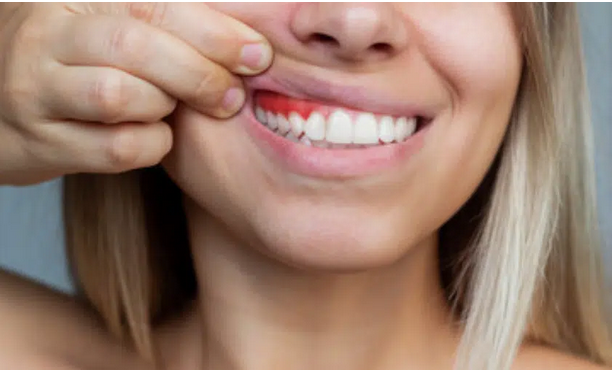
Gum disease, including gingivitis and periodontitis, affects millions of people worldwide. While professional dental care is crucial, there are several effective ways to manage and even cure gum disease at home. In this comprehensive guide, we’ll explore the causes, symptoms, preventive measures, home remedies, and lifestyle changes that can help you combat gum disease without a dentist’s intervention.
Understanding Gum Disease:
Gum disease, also known as periodontal disease, is a bacterial infection that affects the gums and supporting structures of the teeth. It is caused by plaque buildup and can lead to serious oral health issues if left untreated.
5 Most Common Signs and Symptoms of Gum Disease
1. Gum Bleeding
Bleeding gums are often the initial sign of periodontal disease. While people tend to rush to the dentist for bleeding from other parts of the body, bleeding while brushing is sometimes overlooked. However, this is a warning sign that your gums are progressing towards periodontitis, a more severe stage of gum disease. The good news is that it’s not too late, and appropriate treatment can help restore your oral health. If you notice bleeding while brushing, don’t ignore it; instead, bring it up at your next dental appointment.
2. Redness & Swelling
Another early indicator of gum disease is redness and swelling, which can occur in localized areas or across the entire gum line. Red and swollen gums become sensitive to touch and extreme temperatures, causing discomfort when exposed to hot or cold foods. This inflammation is a result of bacterial irritation and tartar buildup. Fortunately, a thorough cleaning can steer your oral health back in the right direction.
3. Receding Gum Line
Receding gums indicate a progression of the infection to a more advanced stage. As the gums recede, they expose the tooth root, making the tooth appear longer. This exposure leaves the root vulnerable to bacterial attack, leading to tooth decay and potential extraction. Treatment for this includes scaling and root planing, along with the use of antibiotics. In severe cases of gum recession, a gum graft procedure may be necessary to restore a healthy gum line.
4. Loose Teeth
Bacterial infections can create pockets beneath the gum line, causing the gum tissue to detach from the tooth root. This can result in tooth mobility, sensitivity, pain, and potential tooth loss. It’s a serious situation that requires immediate attention and may lead to tooth extraction if left untreated. Treatment involves pocket removal to reattach the gum tissue to the tooth root, along with the use of antibiotics to eliminate infections.
5. Abscess in Your Gums
An abscess in the gums indicates a severe gum infection that requires urgent treatment. Abscesses can be painful, causing swelling, fever, and other oral health complications. The risk is that the infection can spread to other parts of the body through the bloodstream. Therefore, it’s crucial to see your dentist as soon as you notice signs of a gum abscess to prevent further complications.
Being aware of these common symptoms of gum disease can help you take prompt action to protect your oral health and seek timely treatment from a dental professional.
Consequences of Untreated Gum Disease:
Untreated gum disease can result in tooth loss, gum recession, bone damage, and even systemic health problems such as cardiovascular disease. Seeking timely treatment is essential to prevent these complications.
Preventive Measures:
Maintaining good oral hygiene through regular brushing, flossing, and using an antiseptic mouthwash can significantly reduce the risk of gum disease. Additionally, scheduling routine dental check-ups and cleanings is crucial for early detection and intervention.
Home Remedies for Gum Disease:
a. Saltwater Rinse: Gargling with warm salt water can help reduce inflammation and kill bacteria in the mouth.
b. Oil Pulling: Swishing coconut oil or sesame oil in the mouth may help remove toxins and promote gum health.
c. Herbal Mouthwashes: Using herbal mouthwashes containing ingredients like tea tree oil or echinacea can have antimicrobial properties.
Nutritional Tips:
Eating a balanced diet rich in fruits, vegetables, lean proteins, and dairy products can support gum health. Foods high in sugar and carbohydrates should be consumed in moderation to prevent plaque buildup.
Lifestyle Changes:
Quitting smoking and managing stress can significantly improve gum health. Smoking is a major risk factor for gum disease, while stress can weaken the immune system’s ability to fight infections.
Supplements and Vitamins:
a. Vitamin C: This antioxidant vitamin can boost gum health and collagen production.
b. Coenzyme Q10: Supplementing with CoQ10 may help reduce gum inflammation and support gum tissue repair.
c. Probiotics: Certain probiotic strains may promote a healthy balance of oral bacteria and reduce the risk of gum disease.
Professional Advice and Consultation:
While home remedies and lifestyle changes can be beneficial, consulting a dentist or periodontist is essential for accurate diagnosis and personalized treatment plans. Regular dental visits are key to maintaining optimal oral health.
Alternative Therapies:
While some alternative therapies like acupuncture or herbal medicine may offer symptom relief, it’s important to use evidence-based practices and consult healthcare professionals for comprehensive care.
Patient Success Stories: Many individuals have successfully managed gum disease with a combination of home care and professional treatment. Their stories serve as inspiration and motivation for others to prioritize their oral health.
Conclusion
Curing gum disease without a dentist is possible with the right knowledge, tools, and proactive approach. By following preventive measures, incorporating home remedies, making lifestyle changes, and seeking professional advice when needed, you can achieve optimal gum health and prevent complications associated with gum disease.