Health
How Much do you get Paid to Donate Sperm

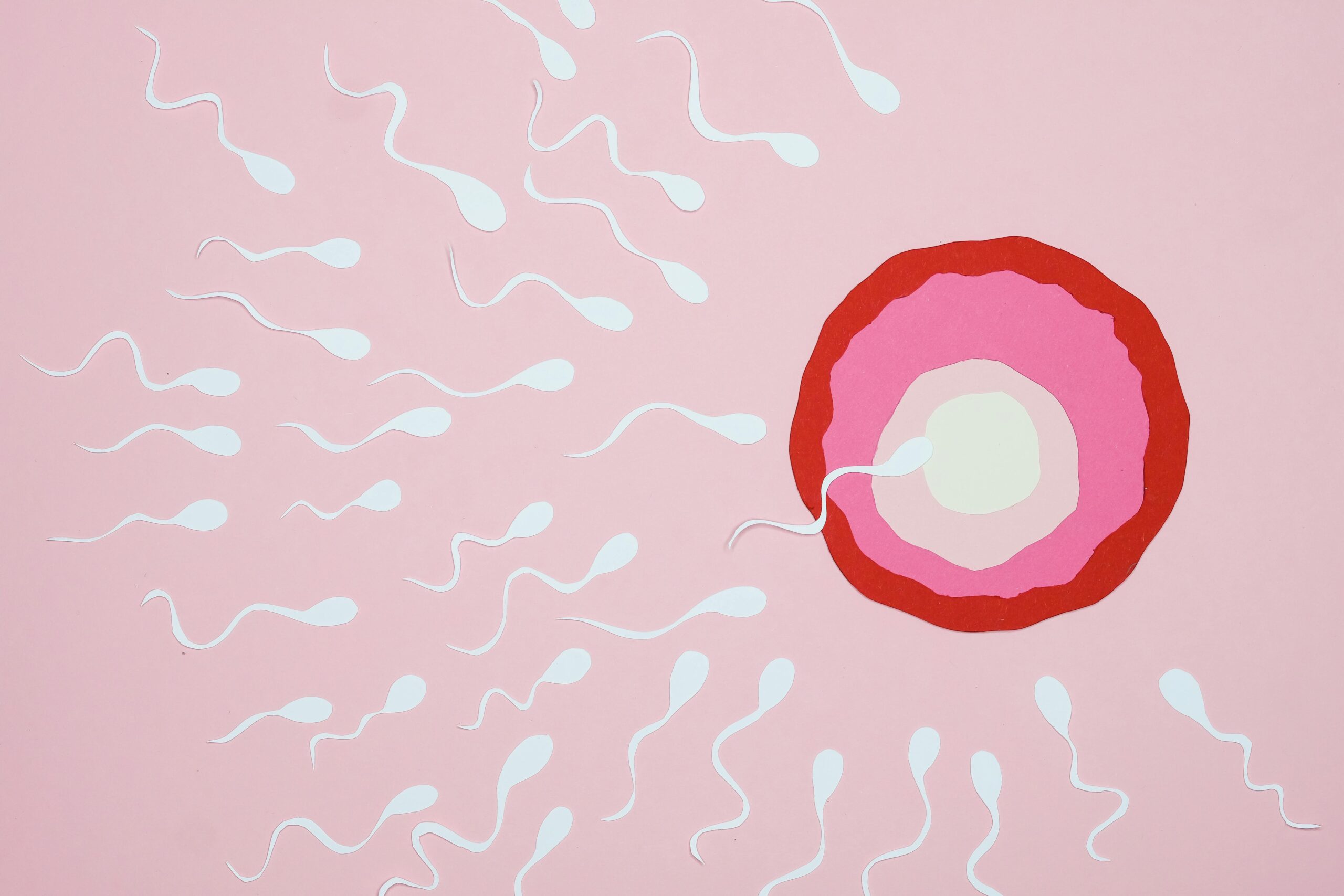
Introduction to Sperm Donation
Want to know how much do you get paid to donate sperm, generally, sperm donation is a process where men donate their sperm to help individuals or couples who are struggling with infertility or wish to have children using donor sperm. It plays a crucial role in assisted reproductive technologies (ART) and allows individuals or couples to achieve their dream of parenthood. Sperm donation can also be used for scientific research purposes, such as fertility studies and genetic research. Continue reading as we talk more about how much do you get paid to donate sperm.
The Sperm Donation Process
The sperm donation process typically involves several steps to ensure the quality and safety of the donated sperm. Firstly, potential donors undergo a screening process that includes medical history assessment, physical exams, and laboratory tests to check for any genetic or infectious diseases. Once approved, donors are required to provide semen samples through masturbation in a private room at a sperm bank or fertility clinic. The samples are then evaluated for sperm count, motility, and morphology to determine their suitability for donation. Qualified sperm samples are frozen (cryopreserved) and stored until they are needed for fertility treatments or research.
How Much do you get Paid to Donate Sperm
Sperm donors may receive compensation for their donation, although the amount can vary widely depending on various factors such as location, sperm bank or clinic policies, donor qualifications, and demand for donor sperm. On average, sperm donors in the United States can earn between $50 to $200 per donation, with some programs offering higher payments for donors with specific attributes such as high sperm quality, educational achievements, or ethnic diversity. It’s important to note that compensation is typically provided as a reimbursement for time and effort rather than as payment for the sperm itself, as selling human body parts or tissues is illegal in many countries.
Factors Influencing Sperm Donation Pay
Several factors can influence how much sperm donors get paid, including:
- Location: Compensation rates can vary between regions and countries due to differences in demand, cost of living, and regulatory policies.
- Donor Qualifications: Donors who meet specific criteria such as good health, high sperm quality, higher education levels, or unique attributes may receive higher compensation.
- Demand for Donor Sperm: The demand for donor sperm, especially from donors with desirable characteristics, can affect compensation rates.
- Sperm Bank or Clinic Policies: Each sperm bank or fertility clinic may have their own policies that guide sperm donation.
Legal and Ethical Considerations
Sperm donation raises various legal and ethical considerations. Donors typically sign legal agreements relinquishing parental rights to any resulting children. However, laws regarding donor anonymity, parental rights, and financial responsibilities can vary widely by country or state. Ethical issues such as consent, privacy, and the potential impact on donor-conceived individuals are also important considerations.
Benefits and Drawbacks of Sperm Donation
Sperm donation offers several benefits, including the opportunity to help individuals or couples achieve their dream of having children, financial compensation for donors, and advancements in reproductive technology. However, drawbacks may include legal and ethical complexities, potential emotional challenges for donors or donor-conceived individuals, and the need for careful screening and regulation to ensure safety and ethical practices.
Requirements and Eligibility
To become a sperm donor, individuals must meet certain requirements and eligibility criteria. These often include being within a certain age range (typically 18-40), having good physical and mental health, passing genetic and medical screenings, and abstaining from certain activities that could affect sperm quality (e.g., smoking, excessive alcohol consumption).
How to Become a Sperm Donor
The process of becoming a sperm donor typically involves several steps. These may include filling out an application, undergoing thorough medical and genetic screenings, providing a sperm sample for evaluation, and signing legal agreements. Donors may also be required to undergo periodic health checks and screenings while actively donating.
Frequently Asked Questions (FAQs)
- Is sperm donation safe? Yes, sperm donation is generally safe when conducted in reputable clinics following strict protocols for screening, testing, and storage.
- Can sperm donors choose the recipients? In most cases, donors do not have control over who receives their sperm. Recipients often select donors based on desired traits and characteristics.
- How often can I donate sperm? Donor guidelines typically limit the frequency of donations to ensure sperm quality and donor well-being. This can vary but is often around 1-2 times per week.
- Can I donate sperm anonymously? Some clinics offer anonymous donation options, while others may allow for known or open donation, where donor-conceived individuals can access limited information about their donor.
- What happens to unused sperm samples? Unused sperm samples may be stored for a specified period or discarded according to clinic policies and legal regulations.
Conclusion
Sperm donation plays a vital role in helping individuals and couples achieve their dreams of parenthood. While it offers benefits such as financial compensation and advancements in reproductive technology, it also raises important legal, ethical, and emotional considerations. By following strict protocols, ensuring donor safety and well-being, and addressing legal and ethical complexities, sperm donation can continue to be a valuable option for those in need of assisted reproductive services.