Police
Inflation Worsen In Nigeria, Making N20, N10, N5 Irrelevant

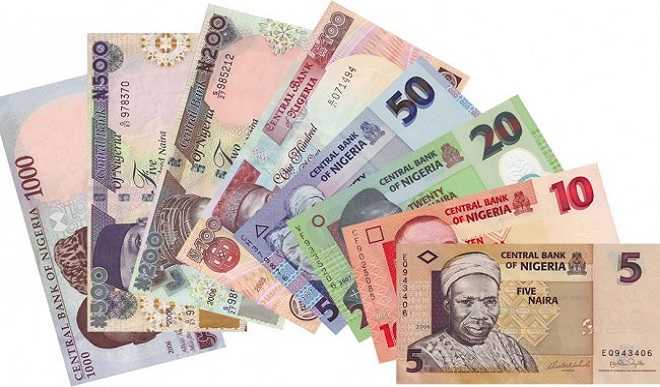
In major markets, the prices of goods are shifting away from the lower denominations of the Naira due to escalating inflation.
Not long ago, a sachet of pure water was priced at N5, while N20 was commonly used to “settle” police officers at checkpoints. However, in recent years, these lower-value notes have struggled to purchase items.
A market survey by Steady Gist revealed that more than half of Nigeria’s legal tender notes are unable to make meaningful purchases.
Despite this, the Central Bank of Nigeria (CBN) recognizes coins such as 50 kobo, N1, and N2, as well as polymer banknotes like N5, N10, N20, and N50.
Currently, a sachet of pure water sells for N30, sugar is no longer retailed for N10, and candies like Tom Tom are sold in pairs for N50. Additionally, prices are often rounded up to 50 or 100 Naira, rendering lower denomination notes practically irrelevant.
Over the past six months, the Naira has significantly depreciated, initially reaching about N1,900 to a dollar before CBN intervention, now trading at approximately N1050 to a dollar. This means that Nigeria’s highest denomination, N1000, is worth less than a single dollar.
The surge in the Naira’s value has not led to a decrease in commodity prices, indicating that inflation in Nigeria is influenced by various factors, including foreign exchange (FX) rates.
Despite these challenges, the Nigerian government continues to print lower denomination currencies, which is costly. Reports from 2016 revealed that it costs N1000 to print each lower denomination note because the Nigeria Security Printing and Minting plc (NSPM) cannot print on polymer.
Experts are urging the CBN to discontinue printing lower denominations and reconsider currency values. Abiodun Ayangbemi, an economist, emphasizes that these denominations no longer serve as effective means of exchange or store of value.
Lekan Olaleye, a monetary policy expert, suggests following Ghana’s example of re-denominating the currency by removing two zeros from existing notes, a move that Ghana implemented successfully in 2007.
While past proposals such as introducing N5000 notes and minting lower denomination coins were met with public opposition, experts argue that revisiting such plans is necessary given the current economic challenges.