
Health
How to Tighten Your vigina with honey

“Understanding Vaginal Tightening: Myths, Facts, and Effective Solutions”

There is no scientific evidence to support the claim that honey can tighten the vagina. The idea that honey or other natural substances can be used to tighten the vaginal area is a common misconception, but it is not a safe or effective method for achieving vaginal tightness.
The vaginal canal is a muscular structure, and its elasticity can change over time due to various factors, including childbirth, age, and hormonal changes. If you are experiencing concerns about vaginal tightness or have issues related to pelvic health, it is essential to consult a healthcare professional, such as a gynecologist or urologist. They can provide you with proper guidance, advice, and potential treatments or exercises to address your specific concerns.
Using substances like honey or attempting DIY methods to tighten the vagina can be harmful, as they may disrupt the natural balance of the vaginal environment and lead to infections or other health issues. It’s always best to seek professional medical advice for any concerns related to vaginal health.
How To Tighten Your Vagina
Vaginal tightness is a common concern for some individuals, and there are several approaches to address it. It’s important to note that the vagina is a muscular structure, and its elasticity can change over time due to factors like childbirth, age, and hormonal fluctuations. Here are some ways to potentially improve vaginal tightness:
-
Kegel Exercises: Kegel exercises are designed to strengthen the pelvic floor muscles, which can help improve vaginal tone and tightness. To perform Kegels, contract the muscles you would use to stop the flow of urine and hold for a few seconds before releasing. Repeat this exercise regularly to see improvement.
-
Pelvic Floor Physical Therapy: If you’re unsure about how to perform Kegels correctly or if you have specific concerns about your pelvic floor muscles, consider seeing a pelvic floor physical therapist. They can provide personalized exercises and guidance to address your individual needs.
-
Vaginal Moisturizers and Lubricants: Using vaginal moisturizers and lubricants can help maintain vaginal health and comfort, especially during intercourse. This can indirectly improve the feeling of tightness by preventing dryness and discomfort.
-
Hormone Therapy: For postmenopausal women experiencing vaginal dryness and laxity due to hormonal changes, hormone therapy under the guidance of a healthcare provider may help improve vaginal elasticity.
-
Vaginal Rejuvenation Procedures: Some medical procedures, such as laser therapy or radiofrequency treatments, are available to stimulate collagen production and potentially tighten vaginal tissue. These procedures should only be performed by trained medical professionals.
-
Surgery: In cases of significant vaginal laxity, a surgical procedure known as vaginoplasty may be an option. This procedure involves tightening the vaginal canal and is typically considered after other non-surgical options have been explored.
What Tightens the Vagina Fast?
typically recommended, as the vaginal area is delicate, and rushing the
process can lead to discomfort, injury, or potential complications. It’s
essential to prioritize safety and consult with a healthcare
professional for guidance. That said, just as it was explained above, Kegel Exercises, Non-Invasive Procedures, Hormone Therapy, Pelvic Floor Physical Therapy, Vaginal Moisturizers and Lubricants are some methods that may provide relatively quicker results in tithing the Vagina.
Can a virgina be tight again?
and exercises. Vaginal tightness can change over time due to factors
like childbirth, age, hormonal fluctuations, and lifestyle. While it’s
important to understand that the vagina naturally loosens and tightens
during different life stages.
What Cream can i use to tighten my vagina?
Vaginal moisturizers and lubricants are different creams and products designed to alleviate vaginal dryness and discomfort, but they serve different purposes and are used in distinct situations. Here’s an overview of both:
Vaginal Moisturizers:
- Vaginal moisturizers are products that are applied regularly, typically every 2-3 days, to maintain vaginal moisture and comfort.
- They are used to address chronic vaginal dryness, which can be caused by hormonal changes (such as menopause), certain medications, or medical conditions.
- Vaginal moisturizers are usually water-based or silicone-based and are applied internally to provide longer-lasting moisture and hydration to the vaginal tissues.
- These products are often recommended for women who experience ongoing dryness and want to restore and maintain vaginal comfort and elasticity over time.
Vaginal Lubricants:
- Vaginal lubricants are products used to provide immediate relief from vaginal dryness, often during sexual activity.
- They are typically water-based, silicone-based, or oil-based and are applied directly to the vaginal area or a condom to reduce friction and enhance comfort during sexual intercourse.
- Vaginal lubricants are available in various formulations, including flavored, warming, or cooling options, to cater to different preferences and sensitivities.
- Lubricants can be especially helpful for women who experience temporary vaginal dryness during sexual activity or for couples seeking additional comfort and pleasure during intimacy.
It’s important to note that using the right product for your specific needs is crucial to ensure safety and effectiveness. Here are some additional considerations:
-
Water-Based vs. Silicone-Based: Water-based products are safe for use with latex condoms and silicone sex toys, while silicone-based lubricants may last longer but should not be used with silicone toys. Oil-based lubricants can weaken latex condoms and are not recommended.
-
Allergies and Sensitivities: Some individuals may have allergies or sensitivities to certain ingredients in vaginal moisturizers or lubricants. It’s essential to read the product label and, if necessary, consult with a healthcare provider to choose a product that is safe for you.
-
Consult a Healthcare Provider: If you experience persistent or severe vaginal dryness, discomfort, or pain, it’s advisable to consult a healthcare provider. These symptoms could be indicative of an underlying medical condition that requires diagnosis and treatment.
How do I keep my Vagina tight and dry?
Maintaining vaginal health involves a combination of practices and lifestyle choices. Here are some tips on how to keep your vagina feeling tight and comfortable:
1. Pelvic Floor Exercises (Kegels):
- Kegel exercises help strengthen the pelvic floor muscles, which support the vagina and can improve its tone. Regular Kegel exercises can help maintain vaginal tightness.
2. Vaginal Moisturizers:
- If you experience occasional vaginal dryness, consider using a vaginal moisturizer. These products provide long-lasting moisture and can help maintain vaginal comfort.
3. Adequate Hydration:
- Staying well-hydrated helps maintain overall body hydration, which can indirectly benefit vaginal moisture. Drink plenty of water throughout the day.
4. Balanced Diet:
- A balanced diet rich in fruits, vegetables, and whole grains can promote overall health, including vaginal health. Omega-3 fatty acids found in fish may also support vaginal lubrication.
5. Avoid Irritants:
- Avoid using harsh soaps, douches, and scented products in the vaginal area, as these can disrupt the natural pH balance and lead to dryness or irritation.
6. Safe Sexual Practices:
- Engaging in safe and comfortable sexual practices can help prevent vaginal discomfort. Using lubrication as needed during sexual activity can reduce friction and discomfort.
7. Regular Sexual Activity:
- Engaging in regular sexual activity, if desired, can help maintain vaginal elasticity. However, communication and consent between partners are essential.
8. Hormonal Balance:
- If you are experiencing significant vaginal dryness due to hormonal changes (e.g., menopause), consult with a healthcare provider to discuss hormone therapy or other treatments that may help restore vaginal moisture.
9. Cotton Underwear:
- Wearing breathable, cotton underwear can help prevent moisture buildup and reduce the risk of irritation or infection.
10. Proper Hygiene:
- Practice good genital hygiene by cleaning the external genital area with warm water and a mild, unscented soap. Avoid harsh scrubbing or using soap inside the vagina.
11. Regular Check-Ups:
- Schedule regular gynecological check-ups to monitor your vaginal health and discuss any concerns or changes with your healthcare provider.
What causes the Vagina not to be tight?
What causes the Vagina not to be tight can vary among individuals and change over time due to various factors. Here are some common reasons why the vagina may not feel as tight:
-
Childbirth: The most common reason for a temporary loss of vaginal tightness is childbirth. During vaginal childbirth, the vaginal muscles and tissues can stretch significantly to allow the baby to pass through. While the vagina often regains some of its tone after childbirth, it may not return to its pre-pregnancy state completely.
-
Aging: As women age, hormonal changes, including a decrease in estrogen levels, can lead to a reduction in vaginal muscle tone and elasticity. This can result in vaginal laxity and dryness.
-
Menopause: Menopause typically involves a decrease in estrogen levels, which can cause vaginal dryness and thinning of the vaginal tissues. These changes can contribute to a feeling of reduced tightness.
-
Lack of Sexual Activity: Engaging in regular sexual activity can help maintain vaginal elasticity and muscle tone. If a person is not sexually active or is experiencing infrequent sexual activity, it may contribute to a perception of reduced tightness.
-
Certain Medical Conditions: Some medical conditions, such as vaginal atrophy or pelvic organ prolapse, can lead to vaginal laxity. These conditions may require medical evaluation and treatment.
-
Obesity: Excess body weight can put pressure on the pelvic floor muscles, potentially leading to decreased vaginal tone.
-
Genetics: Genetics can play a role in determining vaginal tightness. Some individuals naturally have tighter or looser vaginal muscles based on their genetic makeup.
Conclusion
Some level of variation in vaginal tightness is entirely normal and can be influenced by factors beyond one’s control. Vaginal tone and tightness can also be subjective, as different people may have different perceptions of what feels “tight” or “normal” based on their unique experiences.
If concerns about vaginal tightness arise or if it causes discomfort or affects sexual satisfaction, individuals are encouraged to consult with a healthcare provider. Healthcare professionals can provide guidance, recommend treatments, and address any underlying medical issues that may be contributing to the concern.
Overall, both vaginal moisturizers and lubricants can play a valuable role in improving comfort and addressing vaginal dryness. Choose the product that aligns with your specific needs and preferences, and don’t hesitate to seek guidance from a healthcare provider if you have concerns about vaginal health or ongoing dryness.
It’s essential to consult with a healthcare provider, preferably a gynecologist or urologist, to discuss your concerns and explore appropriate treatment options. They can assess your specific situation, provide guidance, and recommend the most suitable approach based on your needs and goals. Self-treatment methods or unproven remedies can be ineffective or potentially harmful, so it’s essential to seek professional medical advice when addressing concerns about vaginal tightness.

Discover how raw onions can enhance your sexual health and vitality.
In the realm of natural remedies, raw onions emerge as a surprising yet potent ally for enhancing sexual health and vitality. Beyond their culinary uses, raw onions possess unique properties that can positively impact various aspects of sexual wellness. In this article, we will talk about the Benefits of Raw Onion Sexually and explore how they can contribute to a more fulfilling and satisfying sexual experience.
Table of Contents
Benefits of Raw Onion Sexually
If we want to talk about the Benefits of Raw Onion Sexually, you will agree with me that in today’s wellness discourse, the natural world often presents surprising solutions to common health concerns. Raw onions, commonly found in kitchens worldwide, have been associated not only with culinary delight but also with various health benefits, including their potential impact on sexual health. This article delves into the realm of raw onions and explores their benefits in the context of sexual wellness.

8 Benefits of Raw Onions for Men Sexually
Raw onions offer several potential benefits for men’s sexual health:
- Libido Enhancement: Onions contain compounds like quercetin and vitamin C, which can improve blood flow and circulation, potentially enhancing libido and sexual desire in men.
- Erectile Function: The antioxidant properties of onions may help protect blood vessels and improve endothelial function, contributing to better erectile function and sexual performance.
- Hormonal Balance: Onions may help regulate hormone levels, including testosterone, which is crucial for sexual function, libido, and overall reproductive health in men.
- Prostate Health: Some studies suggest that onions, particularly due to their sulfur-containing compounds, may have a protective effect on the prostate gland, reducing the risk of prostate-related issues that can impact sexual health.
- Stress Reduction: Onions contain nutrients that support the nervous system and help reduce stress and anxiety levels, which can positively impact sexual performance and satisfaction.
- Cardiovascular Benefits: The sulfur compounds in onions may improve heart health and circulation, leading to better blood flow to the genitals and improved sexual function.
- Antioxidant Protection: Onions are rich in antioxidants, which protect cells from damage and promote overall health, including sexual health.
- Energy and Vitality: The nutrients in onions, such as vitamin C and B vitamins, contribute to energy production and vitality, which can enhance sexual stamina and enjoyment.
Incorporating raw onions into a balanced diet, along with regular exercise and a healthy lifestyle, can potentially contribute to improved sexual health and wellness for men.
7 Benefits of Raw Onions for Women Sexually
Raw onions offer several potential benefits for women’s sexual health:
- Libido Enhancement: Onions contain compounds like quercetin and vitamin C, which can improve blood flow and circulation, potentially enhancing libido and sexual desire in women.
- Hormonal Balance: Onions may help regulate hormone levels, supporting a healthy balance of estrogen and progesterone, which are crucial for sexual function and reproductive health.
- Vaginal Health: The antimicrobial properties of onions can help maintain a healthy vaginal environment by combating harmful bacteria and preventing infections, thus supporting overall sexual wellness.
- Stress Reduction: Onions contain nutrients that support the nervous system, helping to reduce stress and anxiety levels, which can positively impact sexual satisfaction and enjoyment.
- Cardiovascular Benefits: The sulfur compounds in onions may improve heart health and circulation, leading to better arousal and sexual response in women.
- Antioxidant Protection: Onions are rich in antioxidants, which protect cells from damage and promote overall health, including sexual health.
- Energy and Vitality: The nutrients in onions, such as vitamin C and B vitamins, contribute to energy production and vitality, which can enhance sexual stamina and enjoyment.
Incorporating raw onions into a balanced diet, along with regular exercise and a healthy lifestyle, can potentially contribute to improved sexual health and wellness for women.
Nutritional Value of Raw Onions
Raw onions are rich in essential nutrients that contribute to overall well-being. They are particularly known for their sulphur compounds, which give onions their distinct aroma and taste. Additionally, they are a good source of vitamins C and B6, as well as folate, potassium, and manganese.
Raw onions are low in calories but rich in essential nutrients and beneficial compounds. Here are the approximate nutritional values for a 100-gram serving of raw onions:
- Calories: 40 kcal
- Protein: 1.1 grams
- Carbohydrates: 9.3 grams
- Dietary Fiber: 1.7 grams
- Sugars: 4.7 grams
- Fat: 0.1 grams
- Vitamin C: 7.4 milligrams (12% of the Daily Value)
- Folate: 19 micrograms (5% of the Daily Value)
- Vitamin B6: 0.12 milligrams (6% of the Daily Value)
- Potassium: 146 milligrams (4% of the Daily Value)
- Calcium: 23 milligrams (2% of the Daily Value)
- Iron: 0.21 milligrams (1% of the Daily Value)
- Magnesium: 10 milligrams (2% of the Daily Value)
Additionally, raw onions contain various antioxidants, such as quercetin and sulfur compounds, which contribute to their health-promoting properties. These nutrients and compounds make raw onions a valuable addition to a balanced diet, providing essential vitamins, minerals, and protective antioxidants.
Benefits of Sulphur Compounds
Sulphur compounds in raw onions offer antioxidant properties, helping to combat oxidative stress in the body. These compounds contribute to cardiovascular health and may also play a role in supporting sexual function by improving blood flow.
Vitamins and Minerals Content
The vitamins and minerals present in raw onions contribute to a healthy immune system, which is vital for overall vitality, including sexual health.
Effects on Sexual Health
Raw onions have been touted for their potential positive effects on sexual health, primarily due to their impact on blood circulation and libido.
Improves Blood Circulation
The sulphur compounds in raw onions aid in dilating blood vessels, promoting better blood flow throughout the body, including to the genital area. Improved circulation can enhance sensitivity and arousal.
Aphrodisiac Properties
Historically, onions have been regarded as aphrodisiacs in various cultures. While scientific evidence on their aphrodisiac properties is limited, anecdotal reports suggest a positive correlation between raw onion consumption and heightened sexual desire.
Boosts Libido
One of the key benefits attributed to raw onions is their ability to boost libido and sexual desire.
Impact on Testosterone Levels
Some studies suggest that certain compounds in raw onions may influence testosterone levels in males, which can contribute to increased libido and improved sexual performance.
Enhanced Sexual Performance
Regular consumption of raw onions, as part of a balanced diet, may lead to enhanced sexual performance due to their potential impact on hormonal balance and overall vitality.
Potential for Erectile Dysfunction
Raw onions may offer potential benefits for individuals dealing with erectile dysfunction (ED).
Alleviating Symptoms
Raw onions can alleviate symptoms in several ways. Firstly, their anti-inflammatory properties help reduce inflammation, easing discomfort associated with conditions like arthritis and respiratory issues. Onions also contain quercetin, a natural antihistamine that may alleviate allergy symptoms such as sneezing and nasal congestion. Moreover, the sulfur compounds in onions have been linked to improved cardiovascular health, potentially reducing symptoms related to heart disease. Including raw onions in your diet can provide a range of health benefits and contribute to symptom relief for various ailments.
Natural Remedies of Raw Onions
Incorporating raw onions into the diet, along with other lifestyle modifications, may serve as a natural remedy for mild cases of ED.
Raw onions offer a plethora of natural remedies due to their rich nutrient profile and beneficial compounds. Here are some of the key natural remedies associated with raw onions:
- Immune Support: Raw onions are packed with vitamin C, an antioxidant that supports immune function by combating free radicals and boosting the body’s defense mechanisms.
- Anti-Inflammatory Properties: Onions contain compounds like quercetin and sulfur compounds that have anti-inflammatory effects, potentially reducing inflammation in conditions like arthritis and respiratory issues.
- Heart Health: The sulfur compounds in onions may help lower cholesterol levels and blood pressure, promoting cardiovascular health and reducing the risk of heart disease.
- Digestive Aid: Onions contain fiber and prebiotics that support digestive health by promoting the growth of beneficial gut bacteria and aiding in regular bowel movements.
- Respiratory Health: Raw onions have been used traditionally to relieve symptoms of coughs, colds, and respiratory congestion due to their expectorant properties.
- Antimicrobial Effects: Onions exhibit antimicrobial properties that may help fight off infections and support overall immune health.
- Blood Sugar Regulation: Some studies suggest that onions may help regulate blood sugar levels, making them potentially beneficial for individuals with diabetes or those aiming to manage their blood glucose levels.
- Skin Benefits: Applying raw onion juice topically or consuming onions internally may have skin benefits, including reducing inflammation, promoting wound healing, and combating acne-causing bacteria.
Enhanced Fertility
For couples seeking to enhance fertility, raw onions may offer some promising benefits.
Onions can enhance fertility through several mechanisms. Firstly, they are rich in antioxidants like vitamin C and quercetin, which help combat oxidative stress and protect reproductive cells. Additionally, onions contain nutrients like folate and zinc, crucial for healthy sperm production and maturation. Their anti-inflammatory properties may also support overall reproductive health by reducing inflammation in the reproductive organs. Including onions in your diet can thus contribute to improved fertility and reproductive outcomes.
Sperm Quality and Motility
Raw onions can enhance sperm quality and motility due to their nutrient-rich composition. They contain antioxidants like vitamin C and quercetin, which protect sperm cells from oxidative damage and improve their overall health. Onions also provide essential minerals such as zinc, crucial for maintaining optimal sperm quality and motility. Moreover, the anti-inflammatory properties of onions can help reduce inflammation in the reproductive system, supporting better sperm function. Including raw onions in your diet can be a natural way to boost sperm quality and motility, potentially improving fertility outcomes.
Hormonal Balance
Raw onions’ potential impact on hormonal balance can also play a role in enhancing fertility in both men and women. Onions can contribute to enhanced hormonal balance through various mechanisms. They contain sulfur compounds that support liver function, aiding in the detoxification of excess hormones from the body. Additionally, onions are rich in quercetin, a flavonoid that may help regulate hormone levels by influencing hormone-producing glands such as the pituitary gland and the thyroid. Moreover, the anti-inflammatory properties of onions can reduce inflammation in tissues related to hormone production and regulation. Including onions in your diet as part of a balanced and healthy eating plan may help promote hormonal balance over time.
Safety Considerations
While raw onions offer numerous health benefits, it’s essential to consider safety factors, especially for individuals with certain health conditions.
Allergic Reactions
Some individuals may be allergic to raw onions, leading to adverse reactions. It’s crucial to be aware of any allergies before incorporating raw onions into the diet.
Moderation in Consumption
Like many foods, moderation is key. Consuming excessive amounts of raw onions may lead to digestive discomfort for some individuals.
Incorporating Raw Onions in Diet
To reap the benefits of raw onions, consider incorporating them into your diet in creative and delicious ways.
Recipes and Serving Suggestions
- Add raw onions to salads for a flavorful crunch.
- Include them in marinades for meats and vegetables.
- Sautee onions with other vegetables for a nutritious side dish.
- Incorporate raw onions into homemade salsas and relishes.
Conclusion
Raw onions offer a myriad of health benefits, including potential advantages for sexual health. From improving blood circulation and boosting libido to potentially aiding in erectile dysfunction and enhancing fertility, raw onions can be a valuable addition to a balanced diet. However, it’s essential to consume them in moderation and be mindful of any allergies or sensitivities.
FAQs
- Are raw onions a proven aphrodisiac?
- While raw onions have historical associations with aphrodisiac properties, scientific evidence supporting this claim is limited.
- Can raw onions help with erectile dysfunction?
- Raw onions may offer some benefits for individuals dealing with mild cases of erectile dysfunction due to their impact on blood flow and hormonal balance.
- Are there any side effects of consuming raw onions?
- Some individuals may experience digestive discomfort or allergic reactions to raw onions. It’s crucial to consume them in moderation and be aware of any allergies.
- How should raw onions be consumed to maximize benefits?
- Raw onions can be consumed in various ways, such as in salads, marinades, sauteed with vegetables, or added to salsas and relishes
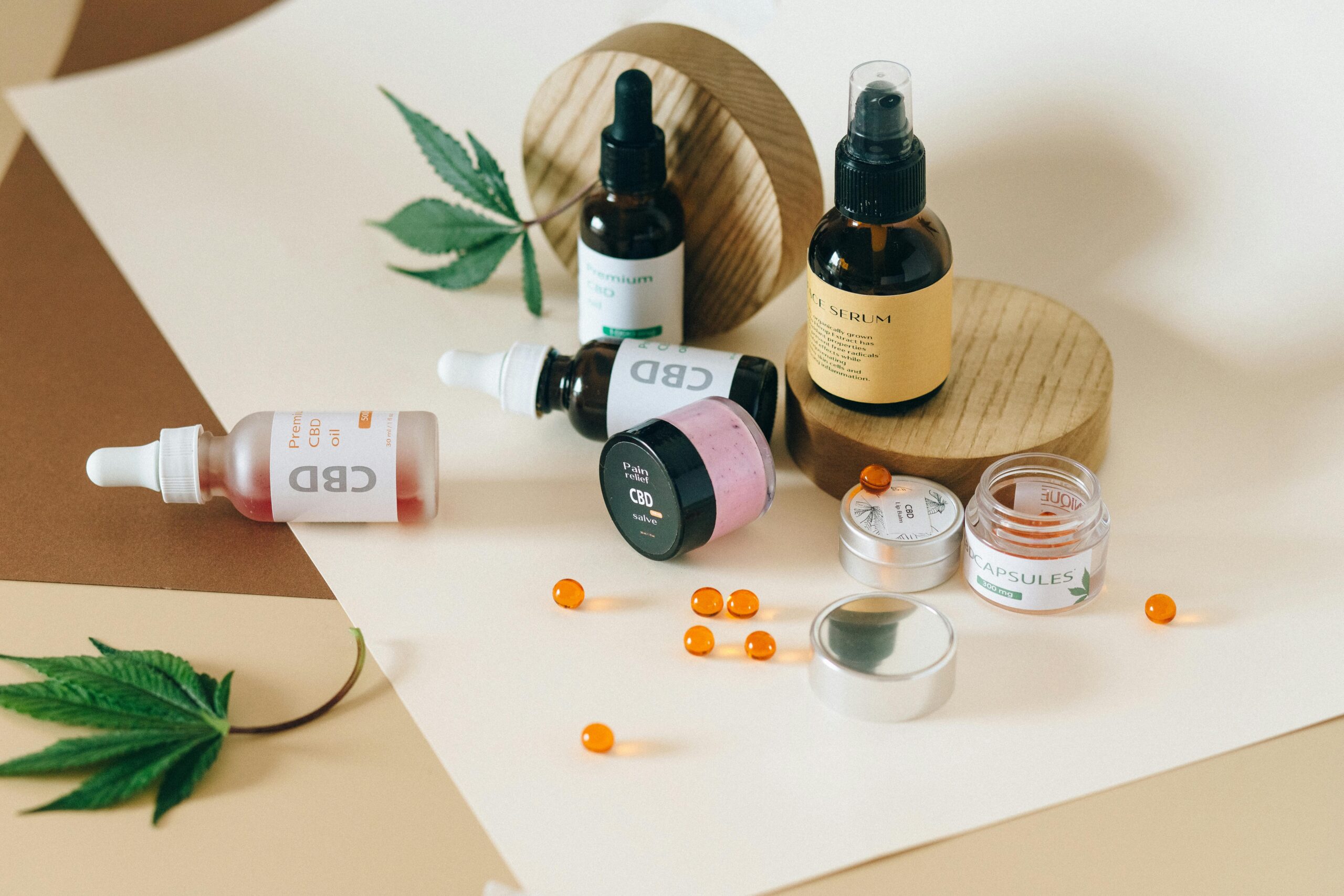
CBD, short for cannabidiol, is a natural compound found in the cannabis plant. Unlike its cousin THC (tetrahydrocannabinol), CBD doesn’t have psychoactive effects, meaning it won’t make you feel high. Instead, CBD is known for its potential therapeutic benefits, which is why it’s gaining popularity in wellness and health circles.
Table of Contents
What is cannabidiol used for?
Cannabidiol is used for a variety of purposes, primarily for its potential health benefits. People use CBD for managing pain, reducing anxiety and depression symptoms, improving sleep quality, alleviating cancer-related symptoms, and addressing neurological disorders like epilepsy. It’s also used in skincare products for its purported anti-inflammatory properties.
What CBD product means?
A CBD product refers to any item that contains cannabidiol as an active ingredient. These products come in various forms, including oils, tinctures, capsules, edibles (like gummies), topical creams, and even beverages. Each type of product may have different concentrations of CBD and is designed for specific uses.
Which products contain CBD?
CBD can be found in a wide range of products, including but not limited to:
- Cannabidiol oils and tinctures
- CBD capsules and pills
- CBD edibles (gummies, cannabidiol chocolate, etc.)
- CBD topicals (creams, lotions, balms)
- CBD-infused beverages (such as teas and coffees)
- CBD vape products
- Cannabidiol Spray
How is cannabidiol different from marijuana, cannabis, and hemp?
While often used interchangeably, there are distinctions between these terms. Marijuana and hemp are both varieties of the cannabis plant, but they differ in THC content. Marijuana contains higher levels of THC, making it psychoactive, while hemp contains very low levels of THC and higher levels of CBD. CBD itself is a compound found in both marijuana and hemp plants.
Is cannabidiol legal?
The legal status of CBD varies depending on where you are. In the United States, CBD derived from hemp with less than 0.3% THC is federally legal, thanks to the 2018 Farm Bill. However, states may have their own regulations, so it’s essential to check local laws. CBD derived from marijuana with higher THC levels is subject to stricter regulations and may only be legal in states with medical or recreational marijuana laws.
The evidence for cannabidiol health benefits
Research on CBD’s health benefits is ongoing, but there’s growing evidence supporting its use for various conditions. Studies suggest that CBD may be effective in reducing seizures in certain forms of epilepsy, managing chronic pain, improving sleep, reducing anxiety and depression, and even helping with skin conditions like acne.
General Health Benefits of CBD:
Cannabidiol (CBD) has been studied for its potential health benefits across various areas. While more research is needed to fully confirm these benefits, here are some 10 potential health benefits associated with CBD:
- Pain Management: CBD has shown promise in alleviating chronic pain conditions such as arthritis, multiple sclerosis (MS), and neuropathic pain. It interacts with the endocannabinoid system in the body, which plays a role in pain perception.
- Anxiety and Depression: Studies suggest that CBD may have anxiolytic (anxiety-reducing) and antidepressant effects. It may help manage symptoms of anxiety disorders, generalized anxiety, social anxiety, and even post-traumatic stress disorder (PTSD).
- Neurological Disorders: CBD has received significant attention for its potential in treating neurological disorders. It’s FDA-approved for treating certain forms of epilepsy, such as Dravet syndrome and Lennox-Gastaut syndrome, due to its ability to reduce seizure frequency and severity.
- Sleep Disorders: Some individuals use CBD to improve sleep quality and manage insomnia. It may help promote relaxation and reduce anxiety, leading to better sleep patterns for some people.
- Skin Health: CBD’s anti-inflammatory properties make it a popular ingredient in skincare products. It may help reduce acne, eczema, and other skin conditions by calming inflammation and regulating sebum production.
- Heart Health: Preliminary research suggests that CBD may have cardiovascular benefits, such as lowering blood pressure and improving heart function. It may also have antioxidant and anti-inflammatory effects that could be beneficial for heart health.
- Cancer-Related Symptoms: While not a cure for cancer, CBD may help manage symptoms related to cancer and its treatments. These include nausea and vomiting from chemotherapy, pain, appetite loss, and neuropathic pain.
- Substance Abuse Disorders: There’s emerging evidence suggesting that CBD may aid in substance abuse treatment by reducing cravings and withdrawal symptoms associated with addictive substances like opioids, nicotine, and alcohol.
- Anti-Inflammatory Effects: CBD’s anti-inflammatory properties are being explored for various conditions, including inflammatory bowel diseases (IBD) like Crohn’s disease and ulcerative colitis, as well as rheumatoid arthritis and other autoimmune disorders.
- Mental Health Support: Beyond anxiety and depression, CBD is being studied for its potential role in supporting overall mental wellness. It may help with stress management, mood regulation, and cognitive function.
Is CBD safe?
CBD is generally considered safe for most people when used appropriately and in moderation. However, it can interact with certain medications, so it’s crucial to consult with a healthcare professional before using CBD, especially if you’re taking other medications or have underlying health conditions. Side effects of CBD are typically mild and may include drowsiness, dry mouth, diarrhea, or changes in appetite.
How can CBD be taken?
CBD can be taken in various ways depending on the product and personal preference. Common methods of consumption include:
- Sublingual (under the tongue) with CBD oils or tinctures
- Ingestion through capsules, edibles, or beverages
- Topical application with CBD creams, lotions, or balms
- Inhalation using CBD vape products (though this method is less common and raises concerns about lung health)
The bottom line on cannabidiol
CBD shows promise as a natural remedy for various health issues, but more research is needed to fully understand its benefits, risks, and optimal uses. It’s essential to purchase CBD products from reputable sources, follow dosing guidelines, and consult with a healthcare provider for personalized advice, especially if you’re considering CBD for medical purposes.
Asthma Medications
Discover the Top 10 Asthma Medications in Nigeria: Estimated Costs and Effectiveness


Discover the estimated costs and effectiveness of the top 10 asthma medications in Nigeria. Living with asthma in Nigeria can be challenging, especially considering the costs of necessary medications. In this blog post, we’ll talk about Ventolin Inhaler and generally the top 10 most expensive asthma medications in Nigeria, shedding light on their estimated prices and effectiveness.
Top 10 Asthma Medications in Nigeria
Table of Contents
1. Ventolin Inhaler: Quick Relief at a Cost
Estimated Price: ₦5,000 – ₦8,000
Ventolin Inhaler is a popular choice for asthma patients due to its quick relief action. However, its effectiveness comes with a higher price tag compared to other alternatives.
2. Seretide Inhaler: Managing Symptoms Effectively
Estimated Price: ₦7,000 – ₦10,000
Seretide Inhaler is known for its ability to effectively manage asthma symptoms. Its advanced formula makes it a preferred choice among patients despite its higher cost.
3. Symbicort Inhaler: Long-Term Control Worth the Investment
Estimated Price: ₦9,000 – ₦12,000
Symbicort Inhaler offers long-term asthma control, making it a valuable investment for individuals seeking stability in managing their condition.
4. Singulair Tablets: Targeted Treatment for Asthma
Estimated Price: ₦6,000 – ₦9,000
Singulair Tablets are designed to target specific asthma triggers, providing tailored treatment options for patients with varying needs.
5. Advair Diskus: Comprehensive Management with a Price
Estimated Price: ₦8,000 – ₦11,000
Advair Diskus is an inhalation therapy option that offers comprehensive asthma management, although it comes at a premium price compared to traditional medications.
6. Xolair Injection: Immunotherapy for Severe Cases
Estimated Price: ₦15,000 – ₦20,000 per injection
Xolair Injection is often prescribed for severe asthma cases, offering immunotherapy benefits that can significantly improve the quality of life for patients.
7. Pulmicort Inhaler: Pediatric Care with a Price Tag
Estimated Price: ₦6,000 – ₦9,000
Pulmicort Inhaler is commonly used for pediatric asthma care, ensuring children receive effective treatment despite the higher costs associated with this medication.
Flovent Inhaler: Preventing Exacerbations with Expense
Estimated Price: ₦7,000 – ₦10,000
Flovent Inhaler is known for its ability to prevent asthma exacerbations, making it a crucial component of many patients’ treatment plans despite its expensive nature.
Dulera Inhaler: Dual Action Control at a Cost
Estimated Price: ₦8,000 – ₦12,000
Dulera Inhaler provides dual-action asthma control, targeting both inflammation and bronchoconstriction to offer comprehensive symptom relief.
10. Spiriva Respimat: Maintenance Therapy Worth the Investment
Estimated Price: ₦10,000 – ₦15,000
Spiriva Respimat is a maintenance therapy option for asthma patients, offering sustained relief from symptoms while requiring a significant financial commitment.
Understanding the Causes of Asthma
Asthma is a chronic respiratory condition that affects the airways in the lungs, causing inflammation and narrowing of the air passages. While the exact cause of asthma remains unclear, several factors are known to contribute to its development and trigger asthma symptoms in susceptible individuals. Here are some of the key causes of asthma:
- Genetics: Asthma often runs in families, indicating a genetic predisposition to the condition. Individuals with a family history of asthma or allergies are more likely to develop asthma themselves.
- Allergies: Allergic reactions play a significant role in asthma triggers. Common allergens such as pollen, dust mites, pet dander, mold spores, and certain foods can lead to asthma symptoms in allergic individuals.
- Environmental Factors: Exposure to environmental pollutants and irritants can worsen asthma symptoms or trigger asthma attacks. These pollutants include cigarette smoke, air pollution, strong odors, chemicals, and industrial fumes.
- Respiratory Infections: Viral respiratory infections, such as the common cold, flu, or respiratory syncytial virus (RSV), can exacerbate asthma symptoms and increase the risk of asthma attacks, especially in children.
- Physical Activity: Exercise-induced asthma or exercise-induced bronchoconstriction (EIB) is a type of asthma triggered by physical activity or exercise. It can cause temporary narrowing of the airways during or after exercise.
- Occupational Exposures: Certain workplaces with exposure to allergens or irritants, such as chemicals, dust, fumes, or gases, can lead to occupational asthma in susceptible individuals.
- Smoking During Pregnancy: Maternal smoking during pregnancy has been linked to an increased risk of asthma development in children. Secondhand smoke exposure in early childhood can also contribute to asthma symptoms.
- Early Childhood Exposures: Early exposure to allergens, respiratory infections, or tobacco smoke can increase the likelihood of developing asthma later in life, especially in individuals with genetic susceptibility.
- Obesity: Obesity is considered a risk factor for asthma, as it can lead to inflammation, reduced lung function, and increased respiratory symptoms.
- Stress and Emotional Factors: Emotional stress and psychological factors can sometimes trigger or worsen asthma symptoms, although the exact mechanisms are not fully understood.
While these factors contribute to asthma development and exacerbation, it’s essential to note that asthma triggers can vary widely among individuals. Proper management, including identifying and avoiding triggers, using prescribed medications, and adopting a healthy lifestyle, can help individuals with asthma lead active and fulfilling lives.
Understanding Different Types of Asthma
Asthma is a chronic respiratory condition that affects millions of people worldwide. While the core symptoms of asthma include wheezing, shortness of breath, chest tightness, and coughing, it’s essential to recognize that asthma isn’t a one-size-fits-all condition. There are various types of asthma, each with its unique characteristics and triggers. Understanding these different types can help individuals better manage their condition and improve their quality of life.
1. Allergic Asthma: Triggered by Allergens
Allergic asthma, also known as extrinsic asthma, is the most common type of asthma. It is triggered by exposure to allergens such as pollen, dust mites, pet dander, mold spores, and certain foods. When an allergic individual comes into contact with these triggers, their immune system overreacts, causing inflammation in the airways and leading to asthma symptoms.
2. Non-Allergic Asthma: Triggered by Other Factors
Non-allergic asthma, or intrinsic asthma, is less common and is not triggered by allergens. Instead, it can be triggered by factors such as respiratory infections (e.g., colds, flu), exercise, cold air, smoke, strong odors, stress, or hormonal changes. People with non-allergic asthma often experience symptoms that are similar to allergic asthma but without an allergic component.
3. Exercise-Induced Bronchoconstriction (EIB): Triggered by Physical Activity
Exercise-induced bronchoconstriction (EIB), also known as exercise-induced asthma, occurs when physical activity leads to the narrowing of the airways. It can affect both athletes and non-athletes and is more likely to occur in cold, dry conditions. Symptoms typically occur during or after exercise and may include coughing, wheezing, chest tightness, and shortness of breath.
4. Occupational Asthma: Triggered by Workplace Exposures
Occupational asthma is caused by exposure to allergens or irritants in the workplace. Common triggers include chemicals, dust, fumes, gases, or biological substances. Workers in industries such as manufacturing, healthcare, agriculture, and cleaning services may be at higher risk. Symptoms can vary in severity and may improve when away from the workplace.
5. Asthma with Fixed Airflow Limitation: Persistent Symptoms
Asthma with fixed airflow limitation, also known as severe or refractory asthma, is a more severe form of asthma characterized by persistent symptoms and reduced lung function that does not fully improve with standard treatments. It can significantly impact daily life and may require specialized care and medications to manage symptoms effectively.
6. Pediatric Asthma: Common in Children
Pediatric asthma refers to asthma that occurs in children. It shares many similarities with adult asthma but may present unique challenges in diagnosis and management due to developmental factors and differences in communication. Early detection and proper management are crucial for children with asthma to prevent complications and improve long-term outcomes.
In conclusion, these top 10 asthma medications in Nigeria may come at a higher cost, but they play a crucial role in effectively managing and controlling asthma symptoms. Patients should consult their healthcare providers to determine the most suitable medication based on their individual needs and financial considerations.
Asthma is a complex respiratory condition with various types, each requiring personalized management approaches. By identifying the specific type of asthma and its triggers, individuals can work with healthcare providers to develop effective treatment plans tailored to their needs, leading to better asthma control and overall well-being.

Introduction to Sperm Donation
Want to know how much do you get paid to donate sperm, generally, sperm donation is a process where men donate their sperm to help individuals or couples who are struggling with infertility or wish to have children using donor sperm. It plays a crucial role in assisted reproductive technologies (ART) and allows individuals or couples to achieve their dream of parenthood. Sperm donation can also be used for scientific research purposes, such as fertility studies and genetic research. Continue reading as we talk more about how much do you get paid to donate sperm.
The Sperm Donation Process
The sperm donation process typically involves several steps to ensure the quality and safety of the donated sperm. Firstly, potential donors undergo a screening process that includes medical history assessment, physical exams, and laboratory tests to check for any genetic or infectious diseases. Once approved, donors are required to provide semen samples through masturbation in a private room at a sperm bank or fertility clinic. The samples are then evaluated for sperm count, motility, and morphology to determine their suitability for donation. Qualified sperm samples are frozen (cryopreserved) and stored until they are needed for fertility treatments or research.
How Much do you get Paid to Donate Sperm
Sperm donors may receive compensation for their donation, although the amount can vary widely depending on various factors such as location, sperm bank or clinic policies, donor qualifications, and demand for donor sperm. On average, sperm donors in the United States can earn between $50 to $200 per donation, with some programs offering higher payments for donors with specific attributes such as high sperm quality, educational achievements, or ethnic diversity. It’s important to note that compensation is typically provided as a reimbursement for time and effort rather than as payment for the sperm itself, as selling human body parts or tissues is illegal in many countries.
Factors Influencing Sperm Donation Pay
Several factors can influence how much sperm donors get paid, including:
- Location: Compensation rates can vary between regions and countries due to differences in demand, cost of living, and regulatory policies.
- Donor Qualifications: Donors who meet specific criteria such as good health, high sperm quality, higher education levels, or unique attributes may receive higher compensation.
- Demand for Donor Sperm: The demand for donor sperm, especially from donors with desirable characteristics, can affect compensation rates.
- Sperm Bank or Clinic Policies: Each sperm bank or fertility clinic may have their own policies that guide sperm donation.
Legal and Ethical Considerations
Sperm donation raises various legal and ethical considerations. Donors typically sign legal agreements relinquishing parental rights to any resulting children. However, laws regarding donor anonymity, parental rights, and financial responsibilities can vary widely by country or state. Ethical issues such as consent, privacy, and the potential impact on donor-conceived individuals are also important considerations.
Benefits and Drawbacks of Sperm Donation
Sperm donation offers several benefits, including the opportunity to help individuals or couples achieve their dream of having children, financial compensation for donors, and advancements in reproductive technology. However, drawbacks may include legal and ethical complexities, potential emotional challenges for donors or donor-conceived individuals, and the need for careful screening and regulation to ensure safety and ethical practices.
Requirements and Eligibility
To become a sperm donor, individuals must meet certain requirements and eligibility criteria. These often include being within a certain age range (typically 18-40), having good physical and mental health, passing genetic and medical screenings, and abstaining from certain activities that could affect sperm quality (e.g., smoking, excessive alcohol consumption).
How to Become a Sperm Donor
The process of becoming a sperm donor typically involves several steps. These may include filling out an application, undergoing thorough medical and genetic screenings, providing a sperm sample for evaluation, and signing legal agreements. Donors may also be required to undergo periodic health checks and screenings while actively donating.
Frequently Asked Questions (FAQs)
- Is sperm donation safe? Yes, sperm donation is generally safe when conducted in reputable clinics following strict protocols for screening, testing, and storage.
- Can sperm donors choose the recipients? In most cases, donors do not have control over who receives their sperm. Recipients often select donors based on desired traits and characteristics.
- How often can I donate sperm? Donor guidelines typically limit the frequency of donations to ensure sperm quality and donor well-being. This can vary but is often around 1-2 times per week.
- Can I donate sperm anonymously? Some clinics offer anonymous donation options, while others may allow for known or open donation, where donor-conceived individuals can access limited information about their donor.
- What happens to unused sperm samples? Unused sperm samples may be stored for a specified period or discarded according to clinic policies and legal regulations.
Conclusion
Sperm donation plays a vital role in helping individuals and couples achieve their dreams of parenthood. While it offers benefits such as financial compensation and advancements in reproductive technology, it also raises important legal, ethical, and emotional considerations. By following strict protocols, ensuring donor safety and well-being, and addressing legal and ethical complexities, sperm donation can continue to be a valuable option for those in need of assisted reproductive services.


Nigerian govt gives update on national grid collapse

BREAKING: President Tinubu scraps two ministries, merges others

MTN offices besieged as aggrieved subscribers protest over sim blockage
-
Gov. Ambode11 years ago
Lagos commences prosecution of 28 tax defaulters
-
Fashion9 years ago
These ’90s fashion trends are making a comeback in 2017
-
Entertainment9 years ago
The final 6 ‘Game of Thrones’ episodes might feel like a full season
-

 Entertainment3 years ago
Portable boasts of owning 30 Mansion Across Lagos and Ogun State
-
Fashion9 years ago
According to Dior Couture, this taboo fashion accessory is back
-
Entertainment9 years ago
The old and New Edition cast comes together to perform
-
Sports9 years ago
Phillies’ Aaron Altherr makes mind-boggling barehanded play
-
Ankara5 years ago
50 Best Lace Blouse Styles for Tying Wrappers for 2022