
Life Style
Interesting Story Of Actress Funke Adesiyan – At 17 I Made My First Million, At 19, I Built My first House


Actress/Politician, Funke Adesiyan, revealed how she made her first million when she was 17 years old and also built her first house at the age of 19. Sharing her story on social media, she wrote
“Let me tell you a story. I am a product of God’s Grace. I was the Games Prefect at my elementary school, I was the Senior Prefect of the secondary school I attended. I started modelling at 13. I started business at 14.
At 17 I made my first million. At 19, I built my first house. At 24, i already have OND, a diploma and a degree. At 25,I ran a presidential campaign for one of the greatest men Nigeria is blessed with, Mallam Shekarau. At 26, I opened a fashion emporium in my home town which cost me over 20 million naira then. But guess what, at 27, I had lost almost all. This was the period I knew people for what they are. God used this period to prepare me for a better tomorrow. Instead of sulking, I looked inward and found a renewed strength within me. I sold my car, started all over but this time, quietly. I found a new calling. To live my live for people who are truly in need and have nothing to even give you in return but a most sincere prayer to God almighty. To the glory of God today, I am the CEO of four resourseful companies with interest in Importation, Oil and Gas, Integrated services and Farming. Guess what? I’m yet to begin! Whatever your disappointment, see it as an opportunity. Never be scared to begin again. Everyday is always a new day!!! Before you envy my success, learn my pain! #funkeadesiyan #ibadan#silentbusinessmogul”
“Understanding Vaginal Tightening: Myths, Facts, and Effective Solutions”

There is no scientific evidence to support the claim that honey can tighten the vagina. The idea that honey or other natural substances can be used to tighten the vaginal area is a common misconception, but it is not a safe or effective method for achieving vaginal tightness.
The vaginal canal is a muscular structure, and its elasticity can change over time due to various factors, including childbirth, age, and hormonal changes. If you are experiencing concerns about vaginal tightness or have issues related to pelvic health, it is essential to consult a healthcare professional, such as a gynecologist or urologist. They can provide you with proper guidance, advice, and potential treatments or exercises to address your specific concerns.
Using substances like honey or attempting DIY methods to tighten the vagina can be harmful, as they may disrupt the natural balance of the vaginal environment and lead to infections or other health issues. It’s always best to seek professional medical advice for any concerns related to vaginal health.
How To Tighten Your Vagina
Vaginal tightness is a common concern for some individuals, and there are several approaches to address it. It’s important to note that the vagina is a muscular structure, and its elasticity can change over time due to factors like childbirth, age, and hormonal fluctuations. Here are some ways to potentially improve vaginal tightness:
-
Kegel Exercises: Kegel exercises are designed to strengthen the pelvic floor muscles, which can help improve vaginal tone and tightness. To perform Kegels, contract the muscles you would use to stop the flow of urine and hold for a few seconds before releasing. Repeat this exercise regularly to see improvement.
-
Pelvic Floor Physical Therapy: If you’re unsure about how to perform Kegels correctly or if you have specific concerns about your pelvic floor muscles, consider seeing a pelvic floor physical therapist. They can provide personalized exercises and guidance to address your individual needs.
-
Vaginal Moisturizers and Lubricants: Using vaginal moisturizers and lubricants can help maintain vaginal health and comfort, especially during intercourse. This can indirectly improve the feeling of tightness by preventing dryness and discomfort.
-
Hormone Therapy: For postmenopausal women experiencing vaginal dryness and laxity due to hormonal changes, hormone therapy under the guidance of a healthcare provider may help improve vaginal elasticity.
-
Vaginal Rejuvenation Procedures: Some medical procedures, such as laser therapy or radiofrequency treatments, are available to stimulate collagen production and potentially tighten vaginal tissue. These procedures should only be performed by trained medical professionals.
-
Surgery: In cases of significant vaginal laxity, a surgical procedure known as vaginoplasty may be an option. This procedure involves tightening the vaginal canal and is typically considered after other non-surgical options have been explored.
What Tightens the Vagina Fast?
typically recommended, as the vaginal area is delicate, and rushing the
process can lead to discomfort, injury, or potential complications. It’s
essential to prioritize safety and consult with a healthcare
professional for guidance. That said, just as it was explained above, Kegel Exercises, Non-Invasive Procedures, Hormone Therapy, Pelvic Floor Physical Therapy, Vaginal Moisturizers and Lubricants are some methods that may provide relatively quicker results in tithing the Vagina.
Can a virgina be tight again?
and exercises. Vaginal tightness can change over time due to factors
like childbirth, age, hormonal fluctuations, and lifestyle. While it’s
important to understand that the vagina naturally loosens and tightens
during different life stages.
What Cream can i use to tighten my vagina?
Vaginal moisturizers and lubricants are different creams and products designed to alleviate vaginal dryness and discomfort, but they serve different purposes and are used in distinct situations. Here’s an overview of both:
Vaginal Moisturizers:
- Vaginal moisturizers are products that are applied regularly, typically every 2-3 days, to maintain vaginal moisture and comfort.
- They are used to address chronic vaginal dryness, which can be caused by hormonal changes (such as menopause), certain medications, or medical conditions.
- Vaginal moisturizers are usually water-based or silicone-based and are applied internally to provide longer-lasting moisture and hydration to the vaginal tissues.
- These products are often recommended for women who experience ongoing dryness and want to restore and maintain vaginal comfort and elasticity over time.
Vaginal Lubricants:
- Vaginal lubricants are products used to provide immediate relief from vaginal dryness, often during sexual activity.
- They are typically water-based, silicone-based, or oil-based and are applied directly to the vaginal area or a condom to reduce friction and enhance comfort during sexual intercourse.
- Vaginal lubricants are available in various formulations, including flavored, warming, or cooling options, to cater to different preferences and sensitivities.
- Lubricants can be especially helpful for women who experience temporary vaginal dryness during sexual activity or for couples seeking additional comfort and pleasure during intimacy.
It’s important to note that using the right product for your specific needs is crucial to ensure safety and effectiveness. Here are some additional considerations:
-
Water-Based vs. Silicone-Based: Water-based products are safe for use with latex condoms and silicone sex toys, while silicone-based lubricants may last longer but should not be used with silicone toys. Oil-based lubricants can weaken latex condoms and are not recommended.
-
Allergies and Sensitivities: Some individuals may have allergies or sensitivities to certain ingredients in vaginal moisturizers or lubricants. It’s essential to read the product label and, if necessary, consult with a healthcare provider to choose a product that is safe for you.
-
Consult a Healthcare Provider: If you experience persistent or severe vaginal dryness, discomfort, or pain, it’s advisable to consult a healthcare provider. These symptoms could be indicative of an underlying medical condition that requires diagnosis and treatment.
How do I keep my Vagina tight and dry?
Maintaining vaginal health involves a combination of practices and lifestyle choices. Here are some tips on how to keep your vagina feeling tight and comfortable:
1. Pelvic Floor Exercises (Kegels):
- Kegel exercises help strengthen the pelvic floor muscles, which support the vagina and can improve its tone. Regular Kegel exercises can help maintain vaginal tightness.
2. Vaginal Moisturizers:
- If you experience occasional vaginal dryness, consider using a vaginal moisturizer. These products provide long-lasting moisture and can help maintain vaginal comfort.
3. Adequate Hydration:
- Staying well-hydrated helps maintain overall body hydration, which can indirectly benefit vaginal moisture. Drink plenty of water throughout the day.
4. Balanced Diet:
- A balanced diet rich in fruits, vegetables, and whole grains can promote overall health, including vaginal health. Omega-3 fatty acids found in fish may also support vaginal lubrication.
5. Avoid Irritants:
- Avoid using harsh soaps, douches, and scented products in the vaginal area, as these can disrupt the natural pH balance and lead to dryness or irritation.
6. Safe Sexual Practices:
- Engaging in safe and comfortable sexual practices can help prevent vaginal discomfort. Using lubrication as needed during sexual activity can reduce friction and discomfort.
7. Regular Sexual Activity:
- Engaging in regular sexual activity, if desired, can help maintain vaginal elasticity. However, communication and consent between partners are essential.
8. Hormonal Balance:
- If you are experiencing significant vaginal dryness due to hormonal changes (e.g., menopause), consult with a healthcare provider to discuss hormone therapy or other treatments that may help restore vaginal moisture.
9. Cotton Underwear:
- Wearing breathable, cotton underwear can help prevent moisture buildup and reduce the risk of irritation or infection.
10. Proper Hygiene:
- Practice good genital hygiene by cleaning the external genital area with warm water and a mild, unscented soap. Avoid harsh scrubbing or using soap inside the vagina.
11. Regular Check-Ups:
- Schedule regular gynecological check-ups to monitor your vaginal health and discuss any concerns or changes with your healthcare provider.
What causes the Vagina not to be tight?
What causes the Vagina not to be tight can vary among individuals and change over time due to various factors. Here are some common reasons why the vagina may not feel as tight:
-
Childbirth: The most common reason for a temporary loss of vaginal tightness is childbirth. During vaginal childbirth, the vaginal muscles and tissues can stretch significantly to allow the baby to pass through. While the vagina often regains some of its tone after childbirth, it may not return to its pre-pregnancy state completely.
-
Aging: As women age, hormonal changes, including a decrease in estrogen levels, can lead to a reduction in vaginal muscle tone and elasticity. This can result in vaginal laxity and dryness.
-
Menopause: Menopause typically involves a decrease in estrogen levels, which can cause vaginal dryness and thinning of the vaginal tissues. These changes can contribute to a feeling of reduced tightness.
-
Lack of Sexual Activity: Engaging in regular sexual activity can help maintain vaginal elasticity and muscle tone. If a person is not sexually active or is experiencing infrequent sexual activity, it may contribute to a perception of reduced tightness.
-
Certain Medical Conditions: Some medical conditions, such as vaginal atrophy or pelvic organ prolapse, can lead to vaginal laxity. These conditions may require medical evaluation and treatment.
-
Obesity: Excess body weight can put pressure on the pelvic floor muscles, potentially leading to decreased vaginal tone.
-
Genetics: Genetics can play a role in determining vaginal tightness. Some individuals naturally have tighter or looser vaginal muscles based on their genetic makeup.
Conclusion
Some level of variation in vaginal tightness is entirely normal and can be influenced by factors beyond one’s control. Vaginal tone and tightness can also be subjective, as different people may have different perceptions of what feels “tight” or “normal” based on their unique experiences.
If concerns about vaginal tightness arise or if it causes discomfort or affects sexual satisfaction, individuals are encouraged to consult with a healthcare provider. Healthcare professionals can provide guidance, recommend treatments, and address any underlying medical issues that may be contributing to the concern.
Overall, both vaginal moisturizers and lubricants can play a valuable role in improving comfort and addressing vaginal dryness. Choose the product that aligns with your specific needs and preferences, and don’t hesitate to seek guidance from a healthcare provider if you have concerns about vaginal health or ongoing dryness.
It’s essential to consult with a healthcare provider, preferably a gynecologist or urologist, to discuss your concerns and explore appropriate treatment options. They can assess your specific situation, provide guidance, and recommend the most suitable approach based on your needs and goals. Self-treatment methods or unproven remedies can be ineffective or potentially harmful, so it’s essential to seek professional medical advice when addressing concerns about vaginal tightness.
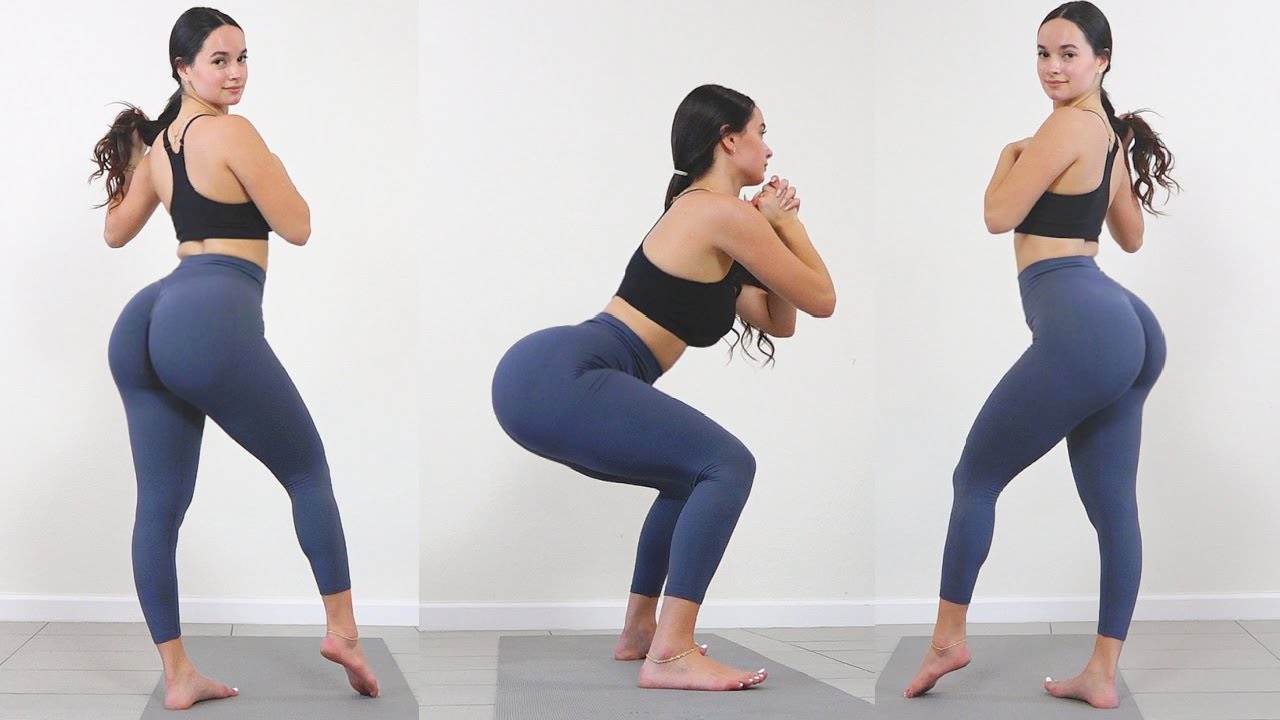
Exploring Surgical and Non-Surgical Options for a Bigger bum
Many people have been wanting to know how to make your bum bigger overnight with Vaseline, the truth is Vaseline or any other topical product cannot make your bum bigger overnight. Vaseline is a petroleum jelly product used for moisturizing and creating a barrier on the skin. It does not have the ability to increase the size of your bum. Nevertheless, applying Vaseline on your bum while you engage in some butt exercise can enhance the quick increase or make your bum bigger. As that being said, we are going to be looking at some natural ways in which you can make your bum bigger as you continue reading…

If you are interested in increasing the size or enhancing the appearance of your buttocks, you would need to consider other options, such as cosmetic procedures like a Brazilian Butt Lift (BBL), butt implants, or non-surgical treatments like Sculptra injections. These procedures work by either adding fat or implants to the buttocks or by stimulating collagen production in the area to achieve a fuller and more shapely look. However, all of these options require consultation with a qualified medical professional and come with potential risks and considerations, so it’s essential to consult with a board-certified plastic surgeon or dermatologist to discuss your goals and the best approach for your specific situation. Here are some strategies you can try.
1. Strength Training:
Building muscle in your glutes (the muscles in your buttocks) can help make them appear larger and more toned. Focus on exercises like squats, lunges, deadlifts, and hip thrusts, as these target the glute muscles effectively.
Strength training is an effective way to make your buttocks (gluteal muscles) bigger and more toned. To achieve this, you should incorporate specific strength training exercises that target the glutes into your workout routine. Here’s a list of effective glute-targeting exercises:
- Squats: Squats are one of the best exercises for building bigger glutes. They work the entire lower body, with a strong focus on the glutes. To perform squats correctly, stand with your feet shoulder-width apart, lower your body by bending your knees, and push your hips back as if you’re sitting in a chair. Keep your back straight and chest up.

- Lunges: Lunges are great for targeting each glute individually. Step forward with one foot and lower your body until both knees are at 90-degree angles. Make sure your front knee doesn’t go past your toes. Alternate legs with each repetition.

- Deadlifts: Deadlifts primarily work the hamstrings and lower back but also engage the glutes. Stand with your feet hip-width apart, bend at your hips and knees to lower your body, keeping your back straight. Then, stand up, thrusting your hips forward and squeezing your glutes at the top.

- Hip Thrusts: Hip thrusts are a highly effective isolation exercise for the glutes. Sit on the floor with your upper back against a bench or step. Roll a barbell or place a weight plate on your hips, and then lift your hips toward the ceiling, squeezing your glutes at the top.

- Glute Bridges: Lie on your back with your knees bent and feet flat on the floor. Lift your hips off the ground by driving through your heels, creating a straight line from your shoulders to your knees at the top of the movement.

- Step-Ups: Stand in front of a sturdy bench or step. Step up onto the bench with one foot, then step down. Alternate legs with each repetition.

- Romanian Deadlifts: Similar to standard deadlifts, Romanian deadlifts emphasize the hamstrings and glutes. Hold a barbell or dumbbells in front of your thighs, hinge at your hips while keeping your back straight, and lower the weights until they reach your shins.

- Leg Press: Using a leg press machine at the gym allows you to target the glutes effectively. Press the weight with your heels rather than your toes to engage the glutes more.

- Sumo Deadlifts: This variation of the deadlift involves a wider stance and a different hand position, which places extra emphasis on the glutes and inner thighs.

- Kettlebell Swings: Swinging a kettlebell between your legs and then thrusting your hips forward engages the glutes and helps build power.


To see noticeable results, perform these exercises regularly, progressively increase the resistance or weight, and ensure proper form to prevent injury. Combine strength training with a balanced diet that supports muscle growth, and be patient, as it may take time to see significant changes in the size and shape of your buttocks.
2. Progressive Overload:
To build muscle, you need to progressively increase the weight or resistance you use in your exercises. Start with a weight you can comfortably lift for 8-12 repetitions and gradually increase it over time.
Progressive overload is a fundamental principle in strength training that involves gradually increasing the demands placed on your muscles over time. When applied to your glute training, it’s essential for building a bigger and stronger bum. Here’s how to use progressive overload effectively:
- Start with Proper Form: Before increasing the weight or resistance, ensure that you are performing glute exercises with proper form. Good form not only maximizes muscle engagement but also reduces the risk of injury.
- Gradually Increase Resistance: The primary way to implement progressive overload is by increasing the weight or resistance you use in your glute exercises. For example, if you’re doing squats with a barbell, begin with a manageable weight and then incrementally add more weight as you become stronger.
- Add More Sets and Repetitions: Increasing the volume of your workouts can also contribute to progressive overload. For instance, if you’re currently doing 3 sets of 10 repetitions of squats, you can increase to 4 sets of 12 repetitions, gradually increasing the total workload on your glutes.
- Decrease Rest Time: Reducing the rest periods between sets can make your workouts more challenging. This can help increase the intensity and stimulate muscle growth.
- Variation and Complexity: Changing up your exercises or adding more complex variations can help with progressive overload. For example, progressing from bodyweight squats to goblet squats to barbell squats can increase the challenge on your glutes.
- Use Resistance Bands: Incorporate resistance bands into your workouts. These bands provide constant tension on your muscles throughout the movement, making exercises like squats, hip thrusts, and glute bridges more challenging.
- Time Under Tension: Slow down the eccentric (lowering) phase of your exercises. For instance, when doing a squat, lower yourself slowly over a count of 3-4 seconds before exploding back up. This increases the time your muscles spend under tension, which can stimulate muscle growth.
- Mind-Muscle Connection: Focus on feeling the muscle contractions in your glutes during each exercise. This can help you engage the target muscles more effectively.
- Monitor Progress: Keep a workout log to track your progress and ensure you’re consistently increasing the resistance or volume over time.
- Recovery and Nutrition: Adequate recovery and proper nutrition are essential for progressive overload. Make sure you’re getting enough sleep, allowing your muscles to repair and grow, and consuming enough protein and overall calories to support muscle development.
Note that progressive overload is a gradual process, and results take time. It’s also crucial to listen to your body and avoid pushing too hard, as overtraining can lead to injury. Consulting with a fitness professional can help you create a structured and effective progressive overload program tailored to your goals. Patience and consistency are key to building a bigger bum through progressive overload.
3. Isolation Exercises to get bigger bum:
Incorporate isolation exercises that specifically target the glutes, such as glute bridges, leg presses, and cable kickbacks.
Isolation exercises specifically target and isolate the glute muscles, making them a valuable addition to your workout routine if you want to focus on building a bigger bum. Here are some effective isolation exercises for the glutes:
- Glute Bridges: This exercise primarily targets the gluteus maximus and can be done with or without added weight. To perform a glute bridge:
- Lie on your back with your knees bent and feet flat on the floor.
- Lift your hips toward the ceiling while squeezing your glutes at the top.
- Lower your hips back down without touching the ground and repeat.
- Donkey Kicks: Donkey kicks are excellent for targeting the gluteus maximus and the gluteus medius. To do donkey kicks:
- Start on your hands and knees in a tabletop position.
- Lift one leg behind you, keeping the knee bent at a 90-degree angle.
- Squeeze your glutes at the top of the movement, then lower your leg back down without touching the floor.
- Repeat for the desired number of reps on each leg.
- Fire Hydrants: Fire hydrants also target the gluteus maximus and medius. Here’s how to perform them:
- Begin in the same tabletop position as donkey kicks.
- Lift one leg out to the side while keeping your knee bent at a 90-degree angle.
- Squeeze your glutes at the top, then lower your leg back down without touching the floor.
- Repeat for the desired number of reps on each leg.
- Cable Kickbacks: Cable kickbacks provide constant resistance throughout the movement. To do cable kickbacks:
- Attach an ankle strap to a low pulley cable machine and secure it to your ankle.
- Stand facing the machine and hold onto the machine for support.
- Lift your leg straight back behind you, squeezing your glutes at the top.
- Lower your leg back down and repeat for the desired number of reps on each leg.
- Seated Leg Abduction Machine: This machine targets the gluteus medius. To use it:
- Sit on the machine with your thighs against the pads.
- Open your legs against resistance by pushing the pads outward.
- Squeeze your glutes at the end of the movement.
- Bring your legs back together and repeat.
- Reverse Hyperextension: This exercise targets the gluteus maximus and lower back. You can use a specialized machine or a bench. Here’s how to do it:
- Lie face down on the reverse hyperextension machine or a bench, with your hips at the edge.
- Lift your legs toward the ceiling by squeezing your glutes.
- Lower your legs back down and repeat.
Incorporate these isolation exercises into your workout routine along with compound exercises like squats and deadlifts for a well-rounded approach to building a bigger bum. Be sure to use proper form, progressively increase the resistance or weight, and maintain a balanced diet to support muscle growth.
4. Frequency and Consistency:
Consistency is key to seeing results. Aim to work your glutes at least 2-3 times a week with a mix of compound and isolation exercises.
Frequency and consistency are crucial when it comes to exercise if you want to build a bigger bum or make any significant progress in your fitness goals. To effectively target your glute muscles and see results, it’s important to establish a regular workout routine. Here’s how you can structure your exercise frequency and maintain consistency:
- Set a Workout Schedule: Determine how many days a week you can realistically commit to exercising. For optimal results, aim for at least 3-4 days of targeted glute training per week. This allows for adequate muscle recovery between workouts.
- Balanced Routine: Ensure that your workout routine includes a mix of compound exercises (e.g., squats, deadlifts) and isolation exercises (e.g., glute bridges, donkey kicks) to effectively target all areas of the glute muscles.
- Progressive Overload: Gradually increase the intensity of your workouts over time by adding weight, increasing reps or sets, or reducing rest time between sets. This progression is vital for muscle growth.
- Warm-Up and Stretch: Always begin your workouts with a proper warm-up to prepare your muscles and reduce the risk of injury. Incorporate dynamic stretches and mobility exercises to improve flexibility.
- Rest Days: Allow your muscles time to recover and grow. Avoid training the same muscle group on consecutive days. Recovery is essential for muscle repair and overall progress.
- Listen to Your Body: Pay attention to how your body feels. If you’re excessively sore or fatigued, it’s okay to take an extra rest day or modify your workout intensity.
- Vary Your Workouts: Keep your workouts interesting and challenging by incorporating different exercises and workout formats. This can help prevent plateaus and keep you motivated.
- Nutrition: Support your workout efforts with proper nutrition. Ensure you’re consuming enough calories, including adequate protein to support muscle growth. A balanced diet is crucial for recovery and overall health.
- Hydration and Sleep: Stay hydrated throughout the day, as dehydration can affect workout performance. Aim for 7-9 hours of quality sleep per night to promote recovery and muscle growth.
- Recovery Techniques: Consider incorporating recovery techniques such as foam rolling, stretching, and massage to reduce muscle tightness and soreness.
- Track Your Progress: Keep a workout journal or use fitness apps to record your workouts, weights, reps, and sets. This helps you monitor your progress and make necessary adjustments.
- Consistency is Key: Consistency over time is the most important factor in achieving your fitness goals. Even on days when you don’t feel like working out, showing up and doing something is better than doing nothing.
Building a bigger bum takes time and patience. Results may not be immediate, but with a well-structured workout plan, proper nutrition, and consistent effort, you can achieve your fitness goals and develop a more defined and sculpted glute area.
5. Take Proper Nutrition:
Proper nutrition is essential for muscle growth. Make sure you’re consuming enough protein to support muscle repair and growth. Additionally, maintain a balanced diet with a focus on whole foods, including fruits, vegetables, lean proteins, and healthy fats.
Proper nutrition is a crucial component of any fitness goal, including building a bigger bum. To support muscle growth and development in your glutes, you’ll need to focus on a combination of adequate calorie intake, macronutrient balance, and nutrient-rich foods. Here are some nutrition guidelines to help you achieve your goal:
- Caloric Surplus: To build muscle, you need to consume more calories than you burn. This creates a caloric surplus that provides the energy needed for muscle growth. Calculate your daily caloric needs and aim for a slight surplus, typically around 250-500 calories per day, depending on your activity level and metabolism.
- Protein: Protein is essential for muscle repair and growth. Aim to include a good source of protein in each meal. Examples of protein-rich foods include lean meats, poultry, fish, eggs, dairy products, tofu, legumes, and plant-based protein sources like beans and lentils. Aim for a daily protein intake of 1.2 to 2.2 grams of protein per kilogram of body weight.
- Healthy Fats: Healthy fats are important for overall health and hormone production. Include sources of healthy fats such as avocados, nuts, seeds, olive oil, and fatty fish like salmon in your diet.
- Carbohydrates: Carbohydrates provide the energy needed for your workouts and daily activities. Opt for complex carbohydrates like whole grains, oats, brown rice, quinoa, and starchy vegetables. These foods provide sustained energy and help replenish glycogen stores in your muscles.
- Fiber: Incorporate fiber-rich foods like fruits, vegetables, and whole grains into your diet. Fiber aids in digestion and helps maintain stable blood sugar levels.
- Hydration: Staying hydrated is essential for overall health and muscle function. Drink plenty of water throughout the day, and consider consuming electrolyte-rich beverages if you engage in intense workouts that cause significant sweating.
- Pre-Workout Nutrition: Consume a balanced meal or snack containing carbohydrates and protein about 1-2 hours before your workout. This provides energy and ensures that your muscles have the necessary nutrients for growth.
- Post-Workout Nutrition: After your workout, consume a meal or snack that includes protein and carbohydrates to support muscle recovery and replenish glycogen stores. This can help reduce muscle soreness and promote muscle growth.
- Supplements: While it’s generally best to get your nutrients from whole foods, some people find it helpful to supplement their diet with protein shakes or branched-chain amino acids (BCAAs) to support muscle growth. Consult with a healthcare professional or nutritionist before adding supplements to your diet.
- Meal Timing: Spread your meals and snacks evenly throughout the day to maintain a consistent intake of nutrients. Eating every 3-4 hours can help support muscle recovery and growth.
- Monitor Progress: Keep track of your nutrition and adjust your calorie intake and macronutrient ratios as needed based on your progress and goals.
Individual dietary needs can vary, and it’s essential to listen to your body. A registered dietitian or nutritionist can provide personalized guidance and help you create a nutrition plan tailored to your specific goals and preferences. Building a bigger bum through proper nutrition, combined with a well-structured workout routine, can lead to noticeable results over time.
6. Caloric Surplus:
To gain muscle mass, you need to consume more calories than you burn. This is known as a caloric surplus. However, be mindful of not overeating, as excess calories can lead to fat gain as well.
A caloric surplus is a nutritional state where you consume more calories than your body expends or burns in a day. It is a fundamental concept in the context of muscle growth and is often employed by individuals looking to increase the size of specific muscle groups, including the glutes, to achieve a bigger bum.
Here’s a more detailed explanation of how a caloric surplus works in the context of building a bigger bum:
- Energy Balance: Your body requires a certain amount of energy (calories) to maintain its current weight and function properly. This energy is used for various bodily processes, including maintaining basic functions like breathing, digestion, and circulation, as well as supporting physical activities, including exercise.
- Caloric Surplus for Muscle Growth: To build muscle, you need to provide your body with an excess of calories so that it has the necessary resources to repair and grow muscle tissue. When you’re in a caloric surplus, the additional calories are used for muscle protein synthesis, which is the process by which your body builds and repairs muscle fibers.
- Muscle Growth in the Glutes: When you engage in targeted strength training exercises for your glutes, such as squats, deadlifts, or glute-specific isolation exercises, you create tiny tears in the muscle fibers. These tears are then repaired and reinforced, resulting in muscle growth and increased muscle size. The extra calories from the caloric surplus support this repair and growth process.
- Balanced Nutrition: While a caloric surplus is essential for muscle growth, it’s also crucial to ensure that your diet includes an adequate intake of protein, carbohydrates, and healthy fats. Protein provides the building blocks (amino acids) for muscle repair and growth, while carbohydrates supply energy for workouts and recovery.
- Monitoring Progress: To ensure that you’re in a caloric surplus, you’ll need to track your daily calorie intake and compare it to your estimated daily energy expenditure (calories burned). You can use online calculators, fitness apps, or consult with a registered dietitian or nutritionist to determine your calorie needs.
- Gradual Surplus: It’s generally recommended to aim for a moderate caloric surplus, typically in the range of 250-500 extra calories per day, depending on your goals and metabolism. This allows for controlled muscle growth without excessive fat gain.
- Progressive Overload: While in a caloric surplus, it’s essential to combine it with a structured strength training program that includes progressive overload. This means gradually increasing the intensity of your workouts over time by lifting heavier weights or increasing the difficulty of exercises.
- Patience and Consistency: Building a bigger bum, like any fitness goal, takes time and consistency. Results may not be immediate, and it’s essential to maintain your caloric surplus and workout routine over an extended period.
It’s worth noting that genetics play a role in determining where your body stores fat and how muscle develops, including the shape and size of your glutes. Therefore, the results of a caloric surplus and strength training may vary from person to person. Consulting with a fitness professional or registered dietitian can help you create a personalized nutrition and workout plan to achieve your specific goals.
7. Take Adequate Protein to get bigger bum:
Protein is crucial for muscle repair and growth. Aim for a protein intake of around 1.2 to 2.2 grams of protein per kilogram of body weight per day, depending on your activity level and goals.
Protein intake is crucial when you’re aiming to build a bigger bum through strength training and muscle growth. Protein provides the essential building blocks (amino acids) that your body needs to repair and build muscle tissue. To maximize muscle growth in your glutes, you should pay attention to your daily protein intake. Here are some guidelines for protein intake to support your goal:
- Determine Your Protein Needs: Your protein requirements depend on various factors, including your body weight, activity level, and fitness goals. As a general guideline, aim for a daily protein intake of about 1.2 to 2.2 grams of protein per kilogram of body weight. If you’re regularly engaging in intense strength training workouts to build your glutes, you may lean toward the higher end of this range.
- Spread Protein Intake Throughout the Day: Rather than consuming all your protein in one or two large meals, distribute your protein intake evenly throughout the day. This approach helps ensure that your muscles have a steady supply of amino acids for growth and repair. Include protein-rich foods in each meal and snack.
- Include Quality Protein Sources: Focus on high-quality protein sources that are rich in essential amino acids. Examples include lean meats (chicken, turkey, lean beef), fish, eggs, dairy products (Greek yogurt, cottage cheese), tofu, tempeh, legumes (beans, lentils), and plant-based protein sources like quinoa and soy products.
- Post-Workout Protein: Consuming protein after your strength training workouts is especially important for muscle recovery and growth. Aim to have a protein-rich snack or meal within 30 minutes to 2 hours after your workout. Protein shakes or smoothies with whey or plant-based protein powder can be convenient options.
- Combine Protein with Carbohydrates: After your workout, consider pairing protein with carbohydrates. This combination can help replenish glycogen stores in your muscles and promote better recovery. For example, a post-workout meal could include grilled chicken with brown rice and vegetables.
- Protein Timing: While there is some debate about the importance of protein timing, spreading your protein intake evenly throughout the day can be more beneficial than relying solely on post-workout protein. This ensures that your muscles are continuously supplied with amino acids for repair and growth.
- Hydration: Staying well-hydrated is essential for optimal protein utilization and muscle function. Water plays a role in various metabolic processes, including those related to muscle growth.
- Consult a Registered Dietitian: If you have specific dietary restrictions or questions about your protein intake, it’s a good idea to consult with a registered dietitian. They can provide personalized recommendations based on your unique needs and goals.
While protein is crucial for muscle growth, it should be part of a balanced diet that includes carbohydrates, healthy fats, vitamins, and minerals. Building a bigger bum involves both strength training and proper nutrition, so make sure to combine your protein intake with a well-structured workout routine to achieve your desired results.
8. Rest and Recovery:
Allow your muscles to recover between workouts. Overtraining can hinder your progress. Get enough sleep and prioritize rest days.
Rest and recovery are essential components of any fitness program, especially when you’re aiming to build a bigger bum through strength training and muscle growth. Proper rest and recovery help your muscles repair, grow, and prevent overtraining or burnout. Here are some key aspects of the rest and recovery process to consider:
- Quality Sleep: Adequate sleep is crucial for recovery and muscle growth. Aim for 7-9 hours of quality sleep per night. During deep sleep, your body releases growth hormone, which plays a significant role in muscle repair and development.
- Active Recovery: On rest days, consider engaging in light, low-intensity activities like walking, swimming, or yoga. Active recovery helps improve blood circulation, which can aid in the removal of metabolic waste products from your muscles.
- Proper Nutrition: Nutrition plays a crucial role in recovery. Ensure that you’re consuming enough calories, carbohydrates, protein, and healthy fats to support muscle repair and replenish energy stores.
- Hydration: Staying hydrated is essential for overall health and muscle function. Water is involved in various metabolic processes, including those related to muscle repair and growth.
- Stretching and Mobility: Incorporate stretching and mobility exercises into your routine to maintain flexibility and prevent muscle tightness. Stretching can also help reduce the risk of injury.
- Foam Rolling and Self-Massage: Foam rolling and self-massage techniques can help release muscle knots, improve blood flow, and alleviate muscle soreness. Target areas like your glutes, hamstrings, and lower back.
- Ice and Heat: Applying ice or heat can be beneficial for muscle recovery. Ice can help reduce inflammation and soreness, while heat can relax tight muscles. Use these methods as needed.
- Rest Between Workouts: Avoid overtraining by allowing adequate rest between workouts that target the same muscle groups. Typically, a day or two of rest is recommended for specific muscle groups, depending on the intensity of your workouts.
- Listen to Your Body: Pay attention to how your body feels. If you’re experiencing excessive fatigue, soreness, or signs of overtraining (such as decreased performance or persistent pain), consider taking extra rest days.
- Progressive Overload: Remember that muscle growth occurs during rest and recovery periods. It’s not just about what you do in the gym but also how well you allow your muscles to recover. Ensure that you’re progressively increasing the intensity of your workouts while giving your muscles sufficient time to recover.
- Mental Recovery: Rest and recovery also involve mental relaxation. Manage stress through relaxation techniques like meditation, deep breathing, or mindfulness to support overall well-being and recovery.
- Consult a Professional: If you have specific concerns about your recovery or experience persistent pain or discomfort, consider consulting a fitness trainer or physical therapist. They can provide guidance and assistance in designing an effective recovery plan.
Building a bigger bum, or any muscle group, is a gradual process. Adequate rest and recovery are just as important as your workouts and nutrition in achieving your fitness goals. Be patient and prioritize your body’s needs to support long-term progress and prevent injury.
9. Supplements:
Some people choose to take supplements like protein powders or creatine to support their muscle-building goals. Consult with a healthcare professional before starting any supplements.
While supplements can play a role in supporting your fitness goals, it’s important to emphasize that they should complement a balanced diet and well-structured workout routine. There are no specific supplements that can directly make your bum bigger, but certain supplements may aid in muscle growth and overall health, which can indirectly contribute to a more sculpted physique. Here are some supplements to consider:
- Protein Powder: Protein supplements, such as whey, casein, or plant-based protein powders, can help you meet your daily protein needs. Adequate protein intake is crucial for muscle repair and growth, which can be beneficial for building a bigger bum. You can consume protein shakes as a convenient way to boost your daily protein intake, especially post-workout.
- Creatine: Creatine is a naturally occurring compound found in small amounts in certain foods and produced by the body. It is a popular supplement among athletes and bodybuilders due to its ability to increase muscle strength and power, potentially enhancing your performance during strength training exercises targeting the glutes.
- Branched-Chain Amino Acids (BCAAs): BCAAs are a group of essential amino acids (leucine, isoleucine, and valine) that can help with muscle recovery and growth. Some people use BCAAs as a supplement to support their workouts and reduce muscle soreness.
- Fish Oil: Omega-3 fatty acids found in fish oil supplements can have anti-inflammatory properties and support overall health. They may help with reducing exercise-induced inflammation and muscle soreness, which can be beneficial for recovery.
- Glutamine: Glutamine is an amino acid that can help with muscle recovery and reduce muscle soreness. While it’s not a “bum-enhancing” supplement per se, it may indirectly support your workout efforts.
- Vitamin D: Adequate vitamin D levels are essential for bone health and overall well-being. Vitamin D supplements may be beneficial if you have a deficiency, as strong bones are crucial for support during strength training exercises.
- Collagen: Collagen supplements are often promoted for their potential to support skin health and joint function. While there’s limited evidence to suggest they can enhance muscle growth, they can contribute to overall well-being.
- Multivitamin and Mineral Supplements: Taking a daily multivitamin and mineral supplement can help ensure you’re meeting your micronutrient needs, which is essential for overall health and recovery.
Keep in mind that supplements should not be used as a substitute for a balanced diet rich in whole foods. Whole foods provide a wide range of nutrients and offer benefits that supplements cannot replicate. Additionally, individual supplement needs can vary based on your diet, lifestyle, and specific goals.
Before adding any supplements to your regimen, it’s advisable to consult with a healthcare professional or registered dietitian. They can help assess your specific needs and provide personalized recommendations. Always follow the recommended dosages and use supplements as part of a holistic approach to your fitness goals, including a well-structured workout routine and proper nutrition.
10. Consult a Professional to get bigger bum overnight:
Consider consulting a fitness trainer or a certified fitness professional who can create a personalized workout and nutrition plan tailored to your goals.
Consulting a professional is crucial when considering cosmetic procedures to achieve a bigger bum. Here’s why it’s important:
- Expert Assessment: A board-certified plastic surgeon or a qualified medical professional has the expertise to assess your unique body shape, goals, and medical history. They can help you determine whether a cosmetic procedure is appropriate for you and which specific procedure would yield the best results.
- Customized Treatment Plan: Professionals can create a personalized treatment plan tailored to your needs and desires. They can discuss your options, explain the pros and cons of each procedure, and provide recommendations based on your goals.
- Safety and Risk Assessment: Cosmetic procedures, whether surgical or non-surgical, carry risks. Professionals can thoroughly explain the potential risks and complications associated with each procedure, as well as how to minimize them. They can also ensure you are in good health and a suitable candidate for the chosen treatment.
- Realistic Expectations: Professionals can help you set realistic expectations for the outcome of the procedure. They will discuss what is achievable based on your body type, existing buttock size, and the chosen procedure. This is important to avoid disappointment and ensure you have a clear understanding of the results.
- Preoperative and Postoperative Guidance: A professional will provide you with detailed instructions on how to prepare for the procedure, including any necessary lifestyle changes or medical tests. They will also guide you through the postoperative recovery process, ensuring a smoother and safer experience.
- Quality and Safety Standards: Certified professionals operate in accredited facilities that meet strict safety and hygiene standards. This ensures that you receive high-quality care in a safe environment, reducing the risk of complications and infections.
- Follow-up Care: After the procedure, professionals will monitor your progress and provide follow-up care as needed. This ongoing support is crucial for your overall well-being and to address any potential issues that may arise during the recovery process.
- Legal and Ethical Standards: Consulting a qualified professional ensures that you are working with someone who adheres to legal and ethical standards in the field of cosmetic surgery or aesthetic procedures.
- Alternative Options: A professional can discuss alternative options and non-surgical treatments that may be more suitable for your goals and preferences, allowing you to make an informed decision.
In summary, consulting a professional is essential when considering cosmetic procedures to achieve a bigger bum. They can guide you through the entire process, from assessment and planning to postoperative care, to help you achieve safe and satisfying results that align with your goals. Always do thorough research, ask questions, and choose a reputable and experienced practitioner for your cosmetic journey.
11. Cosmetic Procedures To get Bigger Bum:
If you’re looking for more immediate and drastic results, you can explore surgical options like butt augmentation with implants or fat transfer (Brazilian Butt Lift). However, these procedures come with risks and should be discussed with a qualified plastic surgeon.
There are several cosmetic procedures that can help enhance the appearance of the buttocks and make them appear larger. It’s important to note that these procedures come with risks and potential complications, so it’s crucial to consult with a board-certified plastic surgeon to discuss your options and determine whether these procedures are suitable for you. Here are some common cosmetic procedures for achieving a larger buttock appearance:
- Brazilian Butt Lift (BBL): This procedure involves liposuction to remove excess fat from areas like the abdomen, flanks, or thighs, followed by the injection of the purified fat into the buttocks to add volume and shape. BBL is popular because it provides a natural look and uses your body’s own fat.
- Butt Implants: Butt implants are silicone implants placed surgically in the buttocks to increase their size and projection. This procedure is more invasive than a Brazilian Butt Lift and carries some risks, including the possibility of implant shifting or complications.
- Sculptra Butt Lift: Sculptra is a non-surgical option that involves injecting a dermal filler to stimulate collagen production in the buttocks, resulting in a gradual and subtle increase in volume. Multiple sessions may be required.
- Hyaluronic Acid Fillers: Injectable fillers like hyaluronic acid can be used to add temporary volume to the buttocks. While not a long-term solution, they can provide a non-surgical and relatively quick enhancement.
- Buttock Lift: A buttock lift is a surgical procedure that removes excess skin and lifts the buttocks to create a firmer and more youthful appearance. It may not significantly increase volume but can improve the overall contour.
- Thermage or Ultherapy: These non-invasive treatments use radiofrequency or ultrasound technology to stimulate collagen production in the buttock area, resulting in subtle tightening and lifting.
Any cosmetic procedure carries risks, and individual results can vary. Additionally, not all procedures are suitable for everyone. Your surgeon will assess your goals, medical history, and body type to recommend the best option for you. Always choose a qualified, board-certified plastic surgeon or dermatologist with experience in the specific procedure you’re interested in, and thoroughly discuss your expectations and concerns with them before proceeding. Additionally, ensure you understand the recovery process and potential complications associated with any chosen procedure.
Building muscle and changing your body composition takes time and dedication. It’s important to have realistic expectations and to focus on overall health and fitness rather than just aesthetics. Always consult with a healthcare provider before starting a new exercise or nutrition program, especially if you have any underlying medical conditions or concerns.
Guiding Light and Pillar of Strength of the Family; evaluating The Top 10 Responsibilities of a Father

Fathers play a profound and indispensable role in the lives of their children. Beyond being a provider, a father holds the key to shaping a child’s values, beliefs, and character. In this blog post, we will explore the top 10 responsibilities of a father that contribute to building strong, resilient, and well-rounded individuals.
-
Nurturing Unconditional Love:
A father’s love serves as a cornerstone of emotional well-being. It’s crucial for fathers to provide unwavering love and support, fostering a sense of security that empowers their children to explore the world with confidence. -
Being a Positive Role Model:
Fathers are powerful role models. Children observe and learn from their fathers’ behavior, work ethic, and integrity. A father’s actions often speak louder than words, shaping a child’s sense of right and wrong. -
Providing Emotional Guidance:
Open communication is key. Fathers should create an environment where their children feel comfortable expressing their emotions. Encouraging dialogue about feelings helps children develop emotional intelligence and coping skills. -
Teaching Life Skills:
From tying shoelaces to managing finances, fathers have a responsibility to equip their children with practical life skills. These skills empower children to become self-sufficient and navigate the complexities of adulthood. -
Instilling Values and Morals:
Fathers play a pivotal role in transmitting values, morals, and ethics. By imparting lessons on empathy, honesty, and respect, fathers contribute to the development of responsible and compassionate individuals. -
Fostering Independence:
Balancing guidance with space for growth is essential. Fathers should encourage their children to make decisions, take risks, and learn from their mistakes. This fosters independence and critical thinking. -
Supporting Education:
Fathers should actively engage in their children’s education, whether by helping with homework, attending school events, or promoting a love for learning. A father’s involvement significantly impacts a child’s academic success. -
Promoting Physical and Mental Well-Being:
Healthy habits start at home. Fathers should encourage physical activity, proper nutrition, and emotional well-being. Spending quality time together outdoors or engaging in hobbies promotes a balanced lifestyle. -
Offering Protection and Security:
Fathers are often seen as protectors. Creating a safe environment and teaching personal safety measures empower children to navigate the world confidently. -
Being Present and Involved:
Perhaps the most critical responsibility of a father is being present. Spending quality time, attending events, and actively participating in a child’s life cultivates a strong parent-child bond.
Conclusion:
Fathers hold an irreplaceable role in the tapestry of a child’s life. Their responsibilities extend far beyond providing material needs—they shape character, values, and emotional well-being. By embracing these top 10 responsibilities, fathers can create a legacy of love, strength, and guidance that resonates throughout generations.
2022 Ankara Styles For Every Party and Occasion

Make a statement with your attire by being colorful and expressing your feelings! The greatest decision will be any rich hue that is completely suited for a woman’s skin tone.
Ankara styles with jewel colours, such as ruby, green, blue, cherry, and indigo, are fashionable this season.
Choosing a vivid Ankara gown in any red color can help you project an impression of an exquisite and self-assured lady via your clothing.
Latest ankara styles 2022


Ankara style for blouse


Simple and classy Ankara styles


Styles for Ankara Material


Ankara styles with Combination




Nigerian govt gives update on national grid collapse

BREAKING: President Tinubu scraps two ministries, merges others

MTN offices besieged as aggrieved subscribers protest over sim blockage
-
Gov. Ambode11 years ago
Lagos commences prosecution of 28 tax defaulters
-
Fashion9 years ago
These ’90s fashion trends are making a comeback in 2017
-
Entertainment9 years ago
The final 6 ‘Game of Thrones’ episodes might feel like a full season
-

 Entertainment3 years ago
Portable boasts of owning 30 Mansion Across Lagos and Ogun State
-
Fashion9 years ago
According to Dior Couture, this taboo fashion accessory is back
-
Entertainment9 years ago
The old and New Edition cast comes together to perform
-
Sports9 years ago
Phillies’ Aaron Altherr makes mind-boggling barehanded play
-
Ankara5 years ago
50 Best Lace Blouse Styles for Tying Wrappers for 2022