
News
US Congress to Hold Two-Panel Hearing on Alleged Christian Persecution in Nigeria

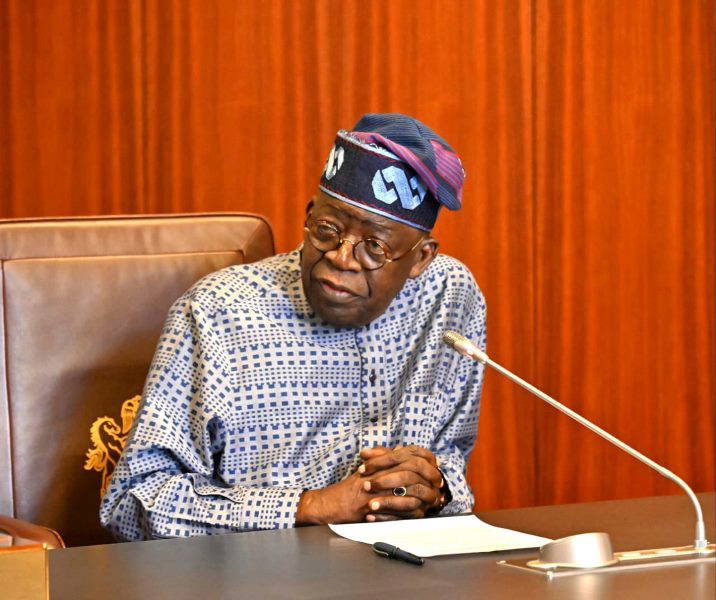
President Bola Tinubu’s administration is expected to face fresh scrutiny from American lawmakers as the United States prepares to examine Nigeria’s efforts to protect Christians and address persistent insecurity in parts of the country.
The US House of Representatives has scheduled a hearing for Thursday, November 12, 2026, to assess the Nigerian government’s response to allegations of religious persecution and attacks on Christian communities.
The session will begin at 11 a.m. at the Rayburn House Office Building in Washington, DC, and is expected to be streamed live on YouTube.
The hearing will be chaired by Chris Smith, chairman of the House Foreign Affairs Subcommittee on Africa, whose office announced the meeting on Monday.
Titled “One Year Later: Assessing Nigeria’s Efforts to Protect Christians and Secure the Middle Belt,” the hearing will examine what progress Nigeria has made over the past year in protecting vulnerable communities, improving security across the Middle Belt and holding those responsible for religiously motivated violence accountable.
US Lawmakers to Hear From Two Panels
Two separate panels are expected to provide evidence and perspectives during the congressional hearing.
The first panel will feature senior officials from the US Department of State, including Frank Garcia, Assistant Secretary of State for African Affairs, and Riley Barnes, Assistant Secretary of State for Democracy, Human Rights and Labour.
The second panel will include representatives from organisations involved in religious freedom advocacy, humanitarian concerns and international policy.
Those expected to appear are Nina Shea of the Hudson Institute, Ryan Brown, chief executive officer of Open Doors US, and Oge Onubogu of the Centre for Strategic and International Studies (CSIS).
Their contributions are expected to help lawmakers examine the security situation in Nigeria, the protection of religious communities and the government’s response to attacks.
US Considers Possible Measures Against Religious Violence
Beyond assessing Nigeria’s progress, American lawmakers are also expected to discuss what further steps Washington could take to encourage the Nigerian government to protect Christians and other vulnerable communities, including non-radical Muslim populations.
The hearing comes amid growing international attention to attacks carried out by extremist groups and other armed organisations in different parts of Nigeria.
The discussions could place additional pressure on the Tinubu administration to demonstrate that it is taking effective measures to prevent violence, protect civilians and bring perpetrators to justice.
However, the hearing is not a court trial. It is a congressional oversight process through which US lawmakers will question officials and experts about Nigeria’s security and religious freedom record.
How Nigeria Was Returned to the US Religious Freedom Watchlist
The planned hearing comes almost a year after US President Donald Trump redesignated Nigeria as a Country of Particular Concern (CPC) over alleged violations of religious freedom.
Nigeria was first placed on the list in 2020 during Trump’s first administration. However, former US President Joe Biden removed the country from the designation after taking office.
On October 31, 2025, Trump announced that Nigeria would once again be placed on the list, arguing that Christians were facing serious threats from extremist groups operating in the country.
He accused radical Islamist organisations of killing thousands of Christians and warned that Washington could reconsider its relationship with Nigeria if the violence continued.
Trump Threatened to Cut Aid and Consider Military Action
Trump’s decision to redesignate Nigeria as a Country of Particular Concern was accompanied by strong warnings to the Nigerian government.
In a statement issued on November 1, 2025, the US president threatened to withdraw American assistance if the Nigerian authorities failed to address the killings.
He also suggested that the United States could consider military action against terrorist organisations responsible for attacks on Christian communities.
Trump said:
“If the Nigerian Government continues to allow the killing of Christians, the USA will immediately stop all aid and assistance to Nigeria, and may very well go into that now-disgraced country, ‘guns-a-blazing,’ to completely wipe out the Islamic terrorists who are committing these horrible atrocities.
“I am hereby instructing our Department of War to prepare for possible action. If we attack, it will be fast, vicious, and sweet, just like the terrorist thugs attack our cherished Christians.”
The remarks generated significant international attention and raised questions about the future of US-Nigeria relations.
Nigeria and US Strengthen Security Cooperation
Despite the diplomatic tension surrounding Trump’s comments, Nigeria and the United States have since moved towards closer military cooperation aimed at tackling terrorist groups operating in the country, particularly in the northern region.
The partnership reflects the shared security concerns of both countries and the need to address the activities of extremist organisations.
The upcoming congressional hearing will provide an opportunity for US lawmakers to examine the progress of Nigeria’s security response and determine whether additional diplomatic or policy measures are necessary.
For the Tinubu administration, the outcome of the discussions could have implications for Nigeria’s international reputation, relations with Washington and future security cooperation.
The Nigerian government will therefore face renewed pressure to demonstrate that it is protecting citizens regardless of their religious background and taking meaningful action against those responsible for attacks.



The African Centre for Security, Governance and Development (CentreSGD) has reported that at least 70 physical attacks linked to political and electoral activities occurred across 19 states and the Federal Capital Territory (FCT) between January 1 and October 27, 2026.
CentreSGD reports 70 election-related attacks across 19 Nigerian states and the FCT, leaving 27 dead ahead of the 2027 general elections.
According to the organisation, the incidents resulted in 27 deaths, raising concerns about the growing threat of political violence ahead of Nigeria’s 2027 general elections.
CentreSGD warned that the increasing number of attacks targeting political candidates, party supporters, campaign convoys and party offices could undermine public confidence in the electoral process if urgent measures are not taken to address the situation.
The organisation’s Executive Director, Theresa Chigozirim Odinkalu-Okoro, raised the concerns in a statement issued on Sunday, describing the reported incidents as troubling developments for Nigeria’s democratic process.
She cautioned that the growing atmosphere of political hostility could discourage citizens from participating in the forthcoming elections and weaken confidence in the country’s democratic institutions.
Majority of Nigerians Fear Election Violence, Survey Reveals
CentreSGD also drew attention to findings from the CLEEN Foundation’s Election Security Threat Assessment and Yiaga Africa’s National Voting Intentions Survey conducted in September 2026.
According to the figures cited by the organisation, 61 per cent of Nigerians surveyed expressed fears that violence could prevent them from voting in the 2027 general elections.
The level of concern was reportedly higher in the North-East, where 78 per cent of respondents said they feared that insecurity and political violence could affect their ability to participate in the electoral process.
The findings highlight growing public anxiety over election security and the need for relevant authorities to guarantee a safe environment for voters, candidates and political party supporters.
Attacks on Political Campaigns Raise Security Concerns
Among the incidents referenced in the report were alleged attacks on supporters of the Nigeria Democratic Congress (NDC) in Enugu State.
The organisation also highlighted attacks on APC campaign convoys in Malumfashi and Yankara communities in Katsina State.
Another incident involved an assault on the African Action Congress (AAC) presidential candidate, Omoyele Sowore, and members of his entourage in Ado-Ekiti, Ekiti State.
CentreSGD further referenced allegations involving attacks on the convoy of the ADC governorship candidate in Sokoto State, as well as reported attacks on ADC campaign convoys in Kebbi State, including one associated with presidential candidate Atiku Abubakar.
However, the organisation acknowledged that some of the reported incidents had been disputed by the political parties and authorities concerned.
It clarified that its statement was not intended to establish the guilt of any individual or group but to demand proper investigations into the allegations.
CentreSGD maintained that anyone found responsible for electoral violence should face prosecution, including individuals who may have sponsored or organised the attacks.
CentreSGD Calls for Investigation and Prosecution
In response to the reported incidents, the organisation called on the Nigeria Police Force and other security agencies to take immediate steps to investigate election-related violence across the country.
It urged security authorities to ensure that investigations are conducted professionally, transparently and without political interference.
The centre also stressed the importance of holding both perpetrators and their alleged sponsors accountable whenever sufficient evidence establishes their involvement.
According to the organisation, allowing political violence to continue without consequences could create an environment in which intimidation and physical force influence electoral participation and outcomes.
Emphasising the importance of peaceful political competition, CentreSGD stated:
“Elections should be a contest of ideas and popular mandate, not a test of physical force or armed coercion.”
The organisation warned that democracy could not flourish in an atmosphere where citizens, political candidates and party supporters feel unsafe expressing their political preferences.
2027 Elections: Growing Concerns Over Nigeria’s Political Security
With Nigeria preparing for another general election in 2027, concerns over political violence have placed additional pressure on security agencies and electoral stakeholders to strengthen preventive measures.
The reported attacks, alongside the survey findings cited by CentreSGD, highlight the importance of protecting political activities and ensuring that Nigerians can exercise their voting rights without intimidation.
Political parties, candidates and their supporters also have responsibilities to promote peaceful campaigns and discourage actions capable of escalating tensions.
As preparations for the 2027 elections continue, the ability of security agencies to prevent political attacks, investigate reported incidents and prosecute offenders could play an important role in determining public confidence in the electoral process.
Ultimately, Nigerians must be able to participate in elections based on their political choices rather than fear of violence.
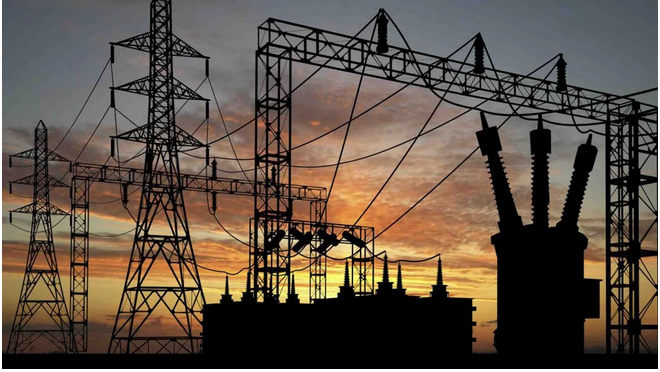
The Nigerian government has announced that restoration of the national grid has commenced hours after its collapse on Tuesday, the second such incident since Friday last week.
The Nigeria Independent System Operator (NISO), in an update on Tuesday, said nationwide electricity restoration began around 11:00 a.m. following the collapse at about 10:48 a.m. the same day.
NISO clarified that the grid disturbance originated from the Gombe Transmission Substation. However, restoration began at about 11:11 a.m. and has since been completed.
“The national grid experienced a voltage disturbance which originated from the Gombe Transmission Substation.
“The disturbance rapidly propagated across the network, affecting Jebba, Kainji, and subsequently Ayede Transmission Substations. The event was accompanied by the tripping of some transmission lines and generating units, resulting in a partial system collapse.
“Appropriate corrective actions were immediately implemented to stabilize the system and restore normal operations. Restoration, which began at about 11:11 a.m., has since been completed.
“The incident only affected part of the grid; therefore, it was not a total collapse as reported.”
He added that the national grid has been fully restored and electricity supply across the affected areas has returned to normal.
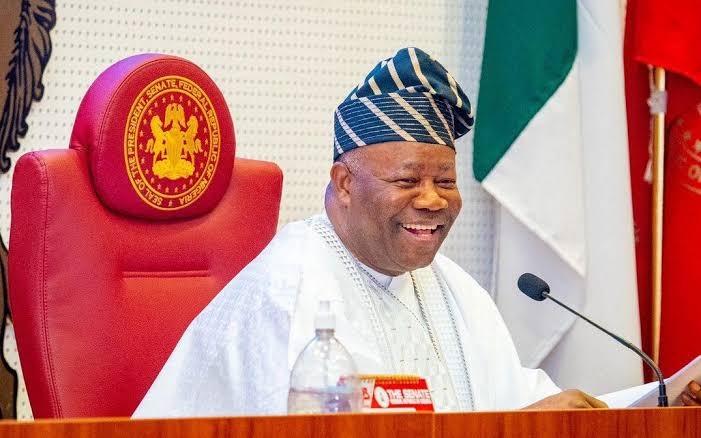
The Chief Justice of Nigeria will now have an annual salary of N64 million, the President of the Court of Appeal will receive ₦62.4 million annually, and the Justices of the Supreme Court will each earn ₦61.4 million annually.
The Nigerian Senate has recently approved a landmark 300% salary increase for judicial workers, marking a significant milestone in the ongoing efforts to enhance the judicial system’s efficiency and morale. This decision is aimed at addressing the long-standing issues of inadequate compensation and improving the overall working conditions of judicial employees across the country.
Historical Context and Need for Salary Adjustment
The issue of inadequate compensation for judicial workers has been a persistent challenge in Nigeria. The last significant adjustment to their salaries was made several years ago, during which inflation and the rising cost of living have significantly eroded the purchasing power of these essential workers. Judicial staff, including clerks, registrars, and other administrative personnel, have continually advocated for better pay to reflect their crucial role in the administration of justice.
Previous Salary Structures
Historically, the salaries of judicial workers have lagged behind those in other sectors, despite the critical nature of their work. This disparity has led to widespread dissatisfaction, reduced morale, and in some cases, compromised the efficiency of the judicial process. The newly approved salary increase aims to rectify these issues, ensuring that judicial workers are adequately compensated for their contributions to society.
Economic and Social Justifications
The approved salary increase is not just a matter of fairness but also an economic imperative. By boosting the incomes of judicial workers, the government aims to enhance their quality of life, reduce poverty, and stimulate economic activity. Higher salaries are expected to lead to increased spending, which can drive demand for goods and services, ultimately benefiting the broader economy.
Details of the Salary Increase
Scale and Scope of the Increase
The 300% salary increase will be implemented across all levels of judicial workers. This substantial adjustment is designed to bring their compensation in line with current economic realities and ensure a decent standard of living. Each category of judicial staff will receive a proportional increase based on their existing pay grade, ensuring that the benefits are equitably distributed.
New Judicial Workers Salary breakdown
As reported by Daily Trust, if the House of Representatives approves the bill and it receives presidential assent, the Chief Justice of Nigeria, Justice Olukayode Ariwoola, will have an annual salary of ₦64 million.
The President of the Court of Appeal will receive ₦62.4 million annually, while the Justices of the Supreme Court will each earn ₦61.4 million annually.
Heads of various courts, such as the Chief Judge of the Federal High Court, the Chief Judge of the Federal Capital Territory High Court, and the President of the National Industrial Court, will each have a basic annual salary of ₦7.9 million.
Senator Monguno mentioned that the proposed legislation is timely and necessary, emphasising that the increase in judicial officers’ pay is long overdue due to the current economic conditions and high inflation.
He also noted that the salary increment is included in the 2024 Appropriation Act.
Phased Implementation Plan
To manage the financial implications and ensure a smooth transition, the salary increase will be rolled out in phases. The initial phase will see an immediate 100% increase, with subsequent increments scheduled over the following months. This phased approach allows the government to adjust budgetary allocations and mitigate any potential economic disruptions.
Additional Benefits and Incentives
Alongside the salary increase, the government has also introduced several complementary measures to enhance the overall welfare of judicial workers. These include:
- Enhanced Healthcare Benefits: Comprehensive health insurance packages to cover medical expenses for judicial workers and their families.
- Housing Allowances: Increased housing allowances to help workers secure better living conditions.
- Professional Development Programs: Investment in continuous training and development to improve skills and career advancement opportunities for judicial staff.
Impacts on the Judicial System
Boosting Morale and Productivity
One of the immediate benefits of the salary increase is expected to be a significant boost in morale among judicial workers. Adequate compensation is likely to improve job satisfaction, reduce turnover rates, and increase productivity. Motivated and well-compensated workers are essential for the efficient functioning of the judicial system.
Enhancing Judicial Efficiency
With better pay and improved working conditions, judicial workers can focus more effectively on their duties. This improvement is anticipated to lead to faster processing of cases, reduced backlogs, and overall enhanced efficiency within the judicial system. An efficient judiciary is crucial for upholding the rule of law and ensuring timely justice for all citizens.
Economic and Social Benefits
The salary increase is also expected to have broader economic and social benefits. Higher incomes for judicial workers can lead to increased consumer spending, which stimulates local economies. Additionally, improved job satisfaction and reduced financial stress can contribute to better mental and physical health among workers, enhancing their overall quality of life.
Addressing Potential Challenges
Budgetary Considerations
Implementing a 300% salary increase poses significant budgetary challenges. The government will need to reallocate resources and possibly increase revenue generation to sustain the increased wage bill. Careful fiscal planning and efficient resource management will be crucial to ensure that the salary increase does not compromise other essential services.
Managing Public Expectations
The approval of a significant salary increase for judicial workers may lead to similar demands from other public sector employees. The government will need to engage in effective communication and negotiation to manage expectations and ensure that the salary adjustments are sustainable and justified.
Ensuring Long-Term Sustainability
To ensure that the benefits of the salary increase are sustained in the long term, it is essential to implement measures that promote accountability and performance. Regular performance evaluations, continued investments in training and development, and improvements in the working environment will be key to maintaining high standards within the judiciary.
Conclusion: A Step Towards Judicial Reform
The Senate’s approval of a 300% salary increase for judicial workers is a significant step towards judicial reform in Nigeria. By addressing the long-standing issue of inadequate compensation, this decision is expected to improve the morale and efficiency of judicial staff, leading to a more effective and trusted judicial system. The accompanying measures to enhance healthcare, housing, and professional development further underscore the government’s commitment to supporting judicial workers and ensuring the sustainability of this reform.
By prioritizing the well-being of judicial workers and implementing a comprehensive support framework, Nigeria can look forward to a more robust and effective judiciary, ultimately fostering greater public trust and ensuring the fair administration of justice.
News
Comprehensive Overview of the Ranches Commission Bill: Impact on Fulani Herders and States of Origin
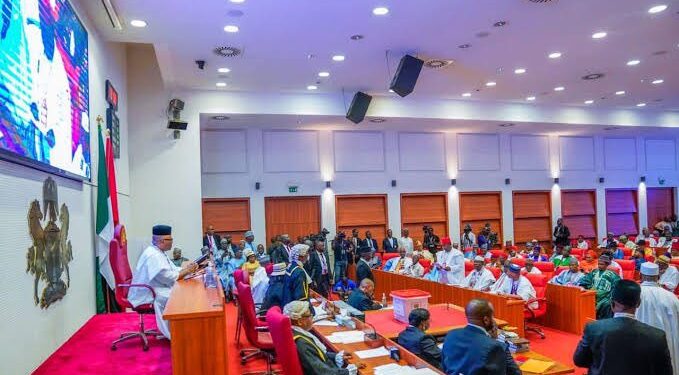
The Ranches Commission Bill, recently introduced in the legislative assembly, aims to address the growing concerns around pastoralism and land use in Nigeria. This bill proposes the relocation of Fulani herders to their states of origin as a solution to the ongoing farmer-herder conflicts. The implications of this bill are far-reaching and necessitate a detailed analysis to understand its potential impact on the herders, the states, and the overall agricultural landscape in Nigeria.
The Ranches Commission Bill has recently sparked a significant debate across Nigeria. This legislative proposal, aimed at addressing the long-standing herder-farmer conflicts, has far-reaching implications for Fulani herders, state governments, and the agricultural landscape of the country.
Background and Purpose of the Ranches Commission Bill
The primary objective of the Ranches Commission Bill is to establish a structured framework for ranching in Nigeria. This involves creating designated ranching areas to mitigate the frequent clashes between nomadic herders and local farmers. By promoting sedentary livestock management, the bill seeks to enhance agricultural productivity, ensure food security, and foster peaceful coexistence among communities.
Key Provisions of the Ranches Commission Bill
Establishment of the Ranches Commission
The bill proposes the creation of a Ranches Commission, a federal body responsible for overseeing the implementation and management of ranching zones. This commission will work in collaboration with state governments and other stakeholders to identify suitable locations for ranches and provide necessary support to herders transitioning from nomadic to sedentary lifestyles.
Relocation of Fulani Herders to States of Origin
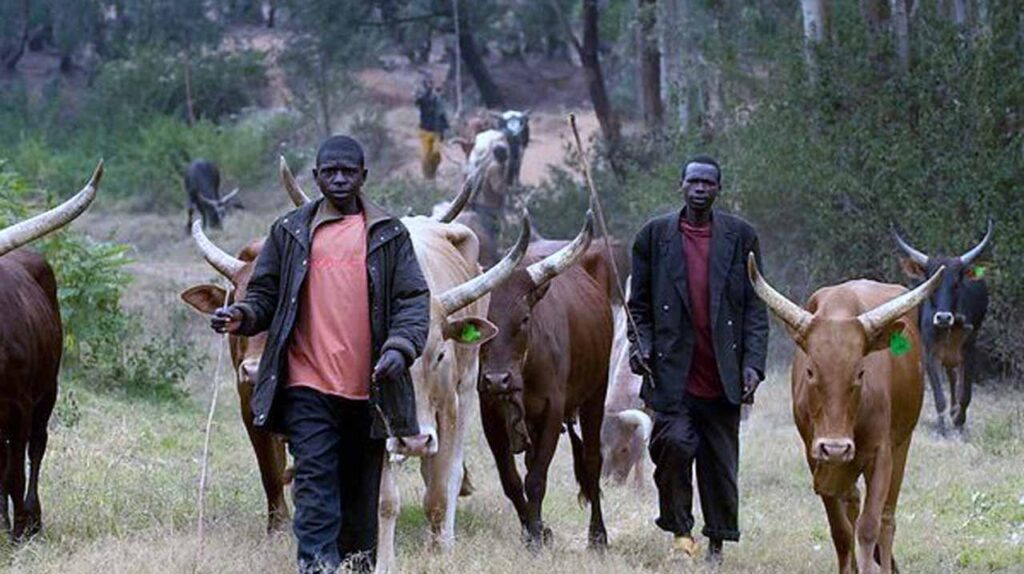
A contentious aspect of the bill is the provision that mandates the relocation of Fulani herders to their states of origin. This measure is intended to reduce the pressure on states currently bearing the brunt of herder-farmer conflicts. It is expected to facilitate better resource management and conflict resolution within each state.
Support and Incentives for Ranching
The bill outlines various forms of support and incentives for herders adopting ranching practices. These include access to loans, grants, veterinary services, and modern farming equipment. By providing these resources, the government aims to make ranching a viable and attractive alternative to traditional nomadic grazing.
Implications for Fulani Herders
Cultural and Economic Impact
The relocation clause has significant cultural and economic implications for Fulani herders. Nomadic pastoralism is deeply ingrained in Fulani culture, and transitioning to a sedentary lifestyle may challenge their traditional way of life. Economically, the shift to ranching requires substantial investment and adaptation to new farming techniques.
Access to Resources
Relocating herders to their states of origin may improve their access to resources and government support.
Key Provisions of the Ranches Commission Bill
Establishment of the Ranches Commission
The bill proposes the creation of a Ranches Commission, a regulatory body tasked with overseeing the establishment, maintenance, and management of ranches. This commission will be responsible for:
- Identifying suitable land for ranch development.
- Providing technical and financial support to herders.
- Ensuring compliance with environmental and land use regulations.
- Facilitating training and capacity-building programs for herders.
Relocation of Fulani Herders
A significant aspect of the bill is the mandated relocation of Fulani herders to their states of origin. This provision aims to reduce the tension between herders and local farmers by segregating herding activities to specific areas. The relocation process involves:
- Conducting a census of Fulani herders to identify their states of origin.
- Coordinating with state governments to allocate land for ranches.
- Providing relocation assistance, including transportation and initial settlement support.
Support for Sustainable Livestock Farming
To ensure the success of the ranches, the bill includes measures to support sustainable livestock farming practices. These measures include:
- Access to veterinary services and animal health care.
- Provision of high-quality fodder and water resources.
- Training programs on modern livestock management techniques.
- Financial incentives and grants for ranch development.
Potential Impact on Fulani Herders
The relocation and establishment of ranches present both opportunities and challenges for Fulani herders. The transition to ranching can lead to improved livestock productivity and better living conditions. However, the success of this initiative depends on several factors:
Improved Livestock Management
Ranching allows for better control over livestock health and breeding practices. Herders can benefit from veterinary services and structured feeding programs, which can lead to higher quality and more productive livestock.
Socioeconomic Adjustment
The shift from a nomadic lifestyle to a sedentary one requires significant adjustment. Herders will need support in adapting to new ways of living and managing their livestock. This includes education on modern farming techniques and financial management.
Cultural Considerations
The nomadic lifestyle is deeply ingrained in Fulani culture. The relocation process must be sensitive to cultural practices and provide avenues for herders to maintain their cultural identity while adapting to new farming methods.
Impact on States and Local Communities
The implementation of the Ranches Commission Bill will have a substantial impact on the states of origin and local communities where the ranches will be established. Key considerations include:
Land Allocation and Use
States will need to identify and allocate suitable land for ranch development. This process must ensure that the rights of local communities are respected and that there is minimal disruption to existing land use patterns.
Economic Benefits
The development of ranches can stimulate local economies by creating job opportunities and boosting agricultural productivity. Local businesses can benefit from the increased demand for goods and services related to ranching.
Social Cohesion
Effective implementation of the relocation process can reduce conflicts between herders and farmers, fostering social cohesion and peace in rural areas. It is crucial that all stakeholders are involved in the planning and implementation phases to ensure a smooth transition.
Challenges and Mitigation Strategies
Land Acquisition and Compensation
Securing land for ranches may lead to disputes and resistance from local communities. It is essential to have a transparent land acquisition process and provide fair compensation to affected landowners.
Infrastructure Development
Establishing ranches requires substantial investment in infrastructure, including roads, water supply, and veterinary clinics. The government must allocate sufficient resources and collaborate with private sector partners to ensure the necessary infrastructure is in place.
Continuous Support and Monitoring
The success of the ranching initiative depends on ongoing support and monitoring. The Ranches Commission must have the capacity to provide continuous technical and financial assistance to herders and ensure compliance with ranching regulations.
Conclusion
The Ranches Commission Bill represents a significant step towards resolving the longstanding farmer-herder conflicts in Nigeria. By promoting sustainable livestock farming and providing structured support to Fulani herders, the bill has the potential to transform the agricultural landscape and enhance rural development. However, careful planning, inclusive stakeholder engagement, and robust implementation strategies are essential to achieve the desired outcomes.
By addressing the multifaceted challenges associated with herding and land use, the Ranches Commission Bill can pave the way for a more peaceful and prosperous future for Nigeria’s agricultural sector.


US Congress to Hold Two-Panel Hearing on Alleged Christian Persecution in Nigeria

Petrol Price Reduction Possible as Import Cost Falls to ₦1,164 per Litre

Why You May Not Qualify for Tinubu’s ₦50,000 Relief Payment and How Beneficiaries Are Selected
-
Gov. Ambode11 years ago
Lagos commences prosecution of 28 tax defaulters
-
Politics9 years ago
Presidency reacts to Wole Soyinka’s comments about Buhari Being in a ‘Trance’
-
Donald Trump6 years ago
Twitter, Facebook block Trump over Capitol attack posts
-
Fashion9 years ago
These ’90s fashion trends are making a comeback in 2017
-
Entertainment9 years ago
The final 6 ‘Game of Thrones’ episodes might feel like a full season
-

 Entertainment3 years ago
Portable boasts of owning 30 Mansion Across Lagos and Ogun State
-
Fashion9 years ago
According to Dior Couture, this taboo fashion accessory is back
-
 Mohbad2 years ago
DNA Test Demanded for Mohbad’s Son Before Singer’s Burial