
Tinubu
The Four Tax Reform Acts Explained

President Bola Ahmed Tinubu’s tax reform programme is built around four separate but interconnected laws. Rather than introducing a single piece of legislation, the Federal Government adopted a broader approach by creating a legal framework that addresses tax policy, tax administration, revenue collection, and coordination among tax authorities.
Although each Act has its own purpose, they are designed to work together as a unified tax reform package.
Below is a breakdown of each law and why it matters.
1. Nigeria Tax Act
The Nigeria Tax Act serves as the foundation of the new tax reform package.
Its primary objective is to simplify Nigeria’s tax framework by bringing together major tax provisions into a more coherent legal structure. Over the years, taxpayers often had to navigate different laws governing various taxes, making compliance more complicated than necessary.
The Act aims to create a system that is easier for individuals, businesses, tax professionals, and government agencies to understand and apply.
Why this matters
A simpler legal framework can:
- Reduce confusion about tax obligations.
- Improve voluntary compliance.
- Lower administrative costs.
- Make tax rules more predictable.
- Improve the ease of doing business.
For businesses, clearer tax rules can reduce uncertainty when making investment decisions. For individuals, they can make it easier to understand rights and responsibilities under the law.
2. Nigeria Tax Administration Act
While the Nigeria Tax Act focuses on the legal framework for taxation, the Nigeria Tax Administration Act focuses on how taxes are administered.
Tax administration includes the practical processes involved in:
- Tax registration.
- Filing tax returns.
- Tax assessment.
- Tax payment.
- Record keeping.
- Audits.
- Enforcement.
- Appeals and dispute resolution.
Previously, different taxes could be administered under different procedures, creating unnecessary complexity.
The new Act seeks to establish more consistent administrative processes across the tax system.
Expected benefits
The government expects the Act to:
- Simplify filing procedures.
- Improve efficiency.
- Reduce administrative duplication.
- Encourage voluntary compliance.
- Provide greater certainty for taxpayers.
A more consistent administrative system may also reduce delays and improve communication between taxpayers and tax authorities.
3. Nigeria Revenue Service Act
Another major component of the reforms is the Nigeria Revenue Service Act, which provides the legal framework for the federal tax authority.
The Act defines the powers, responsibilities, governance, and operational structure of the agency responsible for administering many federal taxes.
It also reflects the government’s broader effort to modernize tax administration through improved systems, stronger institutional capacity, and increased use of technology.
Why institutional reform matters
Even well-written tax laws can fail if the institutions responsible for implementing them are ineffective.
Supporters of the reforms argue that strengthening the revenue authority can help:
- Improve tax administration.
- Increase operational efficiency.
- Enhance taxpayer services.
- Reduce revenue leakages.
- Improve accountability.
The effectiveness of these reforms will depend largely on implementation, staff training, digital systems, and public engagement.
4. Joint Revenue Board Act
The fourth law, the Joint Revenue Board Act, focuses on coordination among tax authorities.
Nigeria operates a federal system of government, meaning taxation involves multiple levels of authority.
Historically, one of the biggest challenges has been ensuring cooperation between:
- Federal tax authorities.
- State Internal Revenue Services.
- Local government authorities.
Differences in procedures and interpretation have sometimes created confusion for taxpayers.
The Joint Revenue Board Act seeks to improve collaboration, information sharing, and consistency across different levels of government.
Why coordination is important
Improved coordination can help:
- Reduce overlapping responsibilities.
- Improve consistency.
- Minimize administrative conflicts.
- Enhance taxpayer confidence.
- Strengthen overall tax governance.
Businesses operating in multiple states may particularly benefit from more consistent approaches to tax administration.
How the Four Acts Work Together
Although each law addresses a different aspect of taxation, they are intended to complement one another.
Think of the reforms as four parts of one larger system:
- Nigeria Tax Act – establishes the overall legal framework for taxation.
- Nigeria Tax Administration Act – standardizes the processes used to administer taxes.
- Nigeria Revenue Service Act – strengthens the institution responsible for collecting many federal taxes.
- Joint Revenue Board Act – improves coordination between tax authorities across the federation.
Together, these reforms aim to create a tax system that is more transparent, efficient, and easier to navigate.
What the Reforms Are Trying to Achieve
According to the Federal Government, the broader objectives of the tax reform package include:
- Simplifying Nigeria’s tax laws.
- Improving compliance.
- Reducing unnecessary administrative burdens.
- Encouraging domestic and foreign investment.
- Increasing non-oil government revenue.
- Supporting economic growth.
- Creating a more predictable tax environment.
These objectives align with the government’s wider economic reform agenda, which seeks to strengthen public finances while improving Nigeria’s competitiveness as a place to do business.
Why Implementation Will Be Critical
Passing new legislation is only the first step.
The long-term success of the reforms will depend on how effectively they are implemented by government institutions and understood by taxpayers.
Important factors include:
- Public awareness campaigns.
- Clear implementation guidelines.
- Training for tax officials.
- Investment in digital tax systems.
- Cooperation between federal and state authorities.
- Fair and consistent enforcement.
Without effective implementation, even well-designed reforms may not achieve their intended results.
As the implementation process continues, businesses, tax professionals, investors, and individual taxpayers will be watching closely to see how the reforms affect compliance, investment, and economic activity across Nigeria.
Before the recent tax reforms signed into law by President Bola Ahmed Tinubu, Nigeria’s tax system had long been regarded as one of the country’s most challenging areas of economic governance. For decades, businesses, investors, tax professionals, and even government agencies acknowledged that the existing tax framework was overly complex, fragmented, and expensive to administer.
Although taxation is one of the most important sources of government revenue worldwide, Nigeria has historically generated a relatively low level of tax revenue compared with many countries of similar economic size. This has limited the government’s ability to invest in infrastructure, education, healthcare, security, transportation, and other essential public services.
A Complex Tax System
One of the biggest criticisms of Nigeria’s previous tax system was the existence of multiple taxes and levies imposed by different levels of government.
Many business owners argued that they were required to deal with federal agencies, state tax authorities, and local government officials, each demanding different taxes, fees, permits, or levies. In some cases, businesses claimed they were paying similar charges under different names.
This situation created confusion, increased compliance costs, and discouraged investment, particularly among small and medium-sized enterprises (SMEs).
For startups and small businesses with limited financial resources, navigating numerous tax obligations often required professional tax consultants, increasing operational costs that could otherwise have been invested in expanding their businesses or creating jobs.
Low Tax Compliance
Another major challenge was Nigeria’s relatively low tax compliance rate.
Millions of eligible individuals and businesses either paid little tax or remained completely outside the formal tax system.
Several factors contributed to this problem, including:
- Limited public awareness of tax obligations.
- Weak enforcement mechanisms.
- Complex filing procedures.
- A large informal economy.
- Public distrust regarding how tax revenue was managed.
As a result, a relatively small number of taxpayers carried a significant share of the country’s tax burden.
Heavy Dependence on Oil Revenue
For many years, Nigeria relied heavily on crude oil exports to finance government spending.
Whenever global oil prices declined or production was disrupted, government revenue fell sharply, affecting public finances and economic planning.
Economic experts have repeatedly argued that increasing non-oil tax revenue is essential for reducing Nigeria’s dependence on oil and building a more resilient economy.
A stronger and more efficient tax system can provide governments with a more stable source of funding, regardless of fluctuations in international oil markets.
Challenges for Investors
Both domestic and foreign investors have frequently identified Nigeria’s tax environment as one of the factors affecting the ease of doing business.
Businesses generally prefer tax systems that are:
- Clear.
- Predictable.
- Transparent.
- Efficient.
- Consistently enforced.
When tax rules are difficult to understand or are applied inconsistently, companies may delay investment decisions or face higher operating costs.
The Federal Government believes that simplifying tax administration can improve investor confidence and make Nigeria a more attractive destination for business.
Digital Economy Outpacing Tax Administration
Nigeria’s economy has changed significantly over the last decade.
The rapid growth of:
- E-commerce.
- Financial technology (FinTech).
- Digital banking.
- Online services.
- Remote work.
- Cross-border digital transactions.
has introduced new challenges for tax administration.
Existing tax laws were largely developed before many of these sectors became major contributors to economic activity.
The reforms aim to modernize tax administration so that it can better respond to today’s digital economy while maintaining fairness and improving compliance.
The Need for Better Coordination
Another long-standing issue was the lack of coordination among tax authorities.
Federal, state, and local government agencies often operated under separate legal frameworks and administrative procedures.
This sometimes resulted in:
- Duplicate assessments.
- Administrative delays.
- Conflicting interpretations of tax laws.
- Difficulties resolving tax disputes.
The new reforms seek to establish clearer coordination mechanisms, improve information sharing, and create more consistent tax administration across different levels of government.
Improving Public Confidence
Tax systems work best when citizens believe their contributions are collected fairly and used responsibly.
Over the years, many Nigerians questioned whether tax revenue was being managed efficiently.
Although tax reform alone cannot solve broader governance challenges, supporters argue that a clearer legal framework, improved accountability, and more transparent administration can strengthen public confidence in the tax system over time.
Building a Sustainable Economy
Ultimately, the tax reforms are part of a broader effort to strengthen Nigeria’s public finances and support long-term economic development.
By simplifying tax administration, reducing unnecessary complexity, encouraging voluntary compliance, and improving coordination among tax authorities, the government hopes to create a system that is easier for taxpayers to understand while generating more reliable revenue for national development.
Whether these objectives are fully achieved will depend not only on the new laws themselves but also on effective implementation, continuous stakeholder engagement, public education, and the willingness of both government institutions and taxpayers to adapt to the new framework.
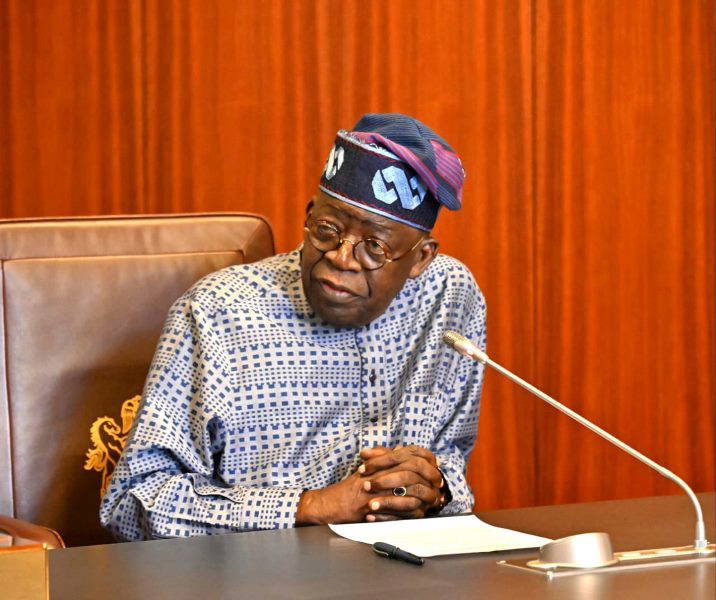
Nigeria’s tax system has entered a new era following President Bola Ahmed Tinubu’s signing of four major tax reform laws aimed at overhauling how taxes are collected, administered, and enforced across the country. The reforms, described by the Federal Government as the most comprehensive in decades, are intended to simplify tax administration, reduce multiple taxation, improve revenue collection, and create a more business-friendly economy.
For years, Nigeria’s tax system has been criticized for being complex, fragmented, and difficult to navigate. Many businesses, especially small and medium-sized enterprises (SMEs), have complained about overlapping taxes, inconsistent enforcement by different government agencies, and uncertainty over their tax obligations. Individuals have also expressed concerns about transparency, fairness, and the efficient use of tax revenue.
The newly signed tax laws seek to address these long-standing challenges by introducing a more coordinated legal framework for tax administration across the country. Supporters of the reforms believe they will make compliance easier, improve investor confidence, strengthen government revenue, and modernize Nigeria’s fiscal system. At the same time, some economists, business groups, and policy analysts have raised questions about implementation, the readiness of government institutions, and the practical impact on businesses and ordinary Nigerians.
Understanding these reforms is important because taxation affects nearly everyone. Whether you are a salary earner, entrepreneur, market trader, investor, corporate executive, or public servant, changes to tax laws can influence business operations, investment decisions, government services, and the broader economy.
The reforms consist of four key laws:
- The Nigeria Tax Act, which provides a unified framework for major federal tax provisions.
- The Nigeria Tax Administration Act, which establishes common procedures for tax assessment, collection, enforcement, and dispute resolution.
- The Nigeria Revenue Service Act, which strengthens the legal framework and responsibilities of the federal tax authority.
- The Joint Revenue Board Act, which promotes cooperation and coordination among tax authorities at the federal, state, and local government levels.
Together, these laws are designed to reduce duplication, improve efficiency, encourage voluntary tax compliance, and create a more predictable environment for businesses operating in Nigeria.
However, every major reform brings important questions. What exactly has changed? Will Nigerians pay more or less tax? How will these laws affect small businesses, large companies, employees, and investors? What opportunities do the reforms create, and what challenges could arise during implementation?
In this comprehensive guide, we explain the objectives of the new tax laws, examine the major changes introduced by each Act, discuss their potential impact on individuals and businesses, answer frequently asked questions, and explore what the reforms could mean for Nigeria’s economic future.
Whether you’re trying to understand the implications for your personal finances, your business, or simply want a clear explanation of one of the country’s most significant fiscal reforms, this guide provides a practical overview of what the new tax laws mean and why they matter.
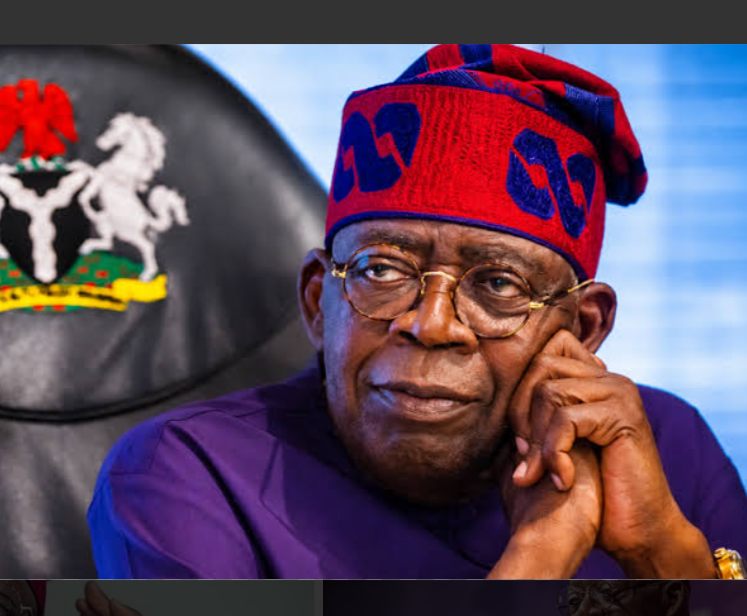
President Bola Ahmed Tinubu has signed four landmark tax reform bills into law in what the Federal Government describes as one of the most significant overhauls of Nigeria’s tax system in decades. The new laws are aimed at simplifying tax administration, improving revenue collection, reducing multiple taxation, and creating a more efficient environment for businesses and taxpayers.
The tax reform bills, which were recently passed by the National Assembly before receiving presidential assent, include the Nigeria Tax Act, the Nigeria Tax Administration Act, the Nigeria Revenue Service Act, and the Joint Revenue Board Act. Together, they form the foundation of the Federal Government’s tax reform agenda.
Government officials say the reforms are designed to modernize Nigeria’s tax framework, encourage investment, strengthen compliance, and improve coordination between federal, state, and local tax authorities.
What the New Tax Reform Mean
According to the Federal Government, the reforms seek to replace outdated tax provisions with a more unified and transparent system.
Among the key objectives are:
- Simplifying Nigeria’s tax administration.
- Reducing overlapping taxes and multiple taxation.
- Improving tax compliance.
- Strengthening revenue generation.
- Providing a more predictable tax environment for businesses.
- Enhancing cooperation among tax authorities across the country.
Officials argue that a simpler tax system will make it easier for individuals and businesses to understand their obligations while reducing the cost of compliance.
Nigeria Revenue Service to Play Expanded Role
One of the major changes introduced by the reforms is the establishment of a new legal framework for the Nigeria Revenue Service, which is expected to play a broader role in administering federal taxes.
The government says the reforms will improve efficiency through better coordination, digital processes, and clearer administrative procedures.
Tax experts believe the new framework could reduce duplication of responsibilities among government agencies while improving accountability.
Impact on Businesses
Businesses are expected to pay close attention to the implementation of the new laws.
Many companies have long complained about inconsistent tax administration, overlapping levies, and uncertainty regarding tax obligations.
The reforms are intended to address some of these concerns by introducing clearer rules and streamlining tax processes.
However, businesses will also need to review their compliance procedures and understand how the new legal framework affects their operations.
Experts have advised companies to study the provisions carefully and seek professional guidance where necessary.
What It Means for Nigerians
For individual taxpayers, the reforms are expected to simplify aspects of tax administration and improve transparency.
While implementation details will determine the full impact, the government says the overall goal is to create a fairer and more efficient tax system capable of supporting national development without placing unnecessary administrative burdens on taxpayers.
The reforms also aim to strengthen public confidence in tax administration by improving consistency and accountability.
Implementation Timeline
Although the bills have now become law following presidential assent, implementation will take place in phases.
Government agencies are expected to release detailed regulations and operational guidelines ahead of the commencement of the new framework.
Businesses, tax professionals, and government institutions are expected to spend the coming months preparing for the transition.
Why the Reforms Matter
Nigeria has for many years faced challenges including a relatively low tax-to-GDP ratio, complex tax administration, and multiple taxes imposed by different levels of government.
Supporters of the reforms argue that a modern tax system is essential for improving government revenue, financing infrastructure, supporting public services, and creating a more attractive investment climate.
The success of the reforms will depend largely on effective implementation, cooperation among tax authorities, and public understanding of the new system.
As implementation begins, Nigerians, businesses, investors, and tax professionals will be closely watching how the new laws reshape the country’s tax landscape over the coming months.
A former lecturer at Chicago State University, Dr Pearse Adetokumbo, has reignited controversy surrounding President Bola Ahmed Tinubu’s educational background, claiming that the Nigerian leader never attended the American institution.
Former Chicago State University lecturer Pearse Adetokumbo claims Tinubu never attended the institution, reigniting controversy over his academic background.
Adetokumbo also accused the Minister of Education, Dr Tunji Alausa, of misleading Nigerians by defending claims that Tinubu studied at the university.
The former lecturer made the allegations during an interview with News Central TV, where he disclosed that he worked at Chicago State University between 1985 and 1990.
According to him, he served as the director of the academic programme Tinubu has reportedly claimed to have attended, insisting that his professional experience gave him knowledge of the institution’s academic records.
His comments have reopened discussions about the President’s educational qualifications, an issue that generated considerable controversy during the 2023 presidential election and subsequent legal proceedings.
Former Lecturer Challenges Tinubu’s Academic Background
During the interview, Adetokumbo maintained that Tinubu did not graduate from or attend Chicago State University, directly challenging the claims surrounding the President’s educational history.
He further alleged that the Education Minister was defending the President’s position despite knowing that the claims were questionable.
Adetokumbo also claimed that he had been involved in efforts to obtain information about Tinubu’s academic records around 1999, alleging that individuals seeking the documents were directed to him.
He said he provided the information at the time but advised those involved to concentrate on political campaigns rather than relying solely on controversies surrounding Tinubu’s educational background.
Explaining his involvement, the former lecturer said:
“I used to be a lecturer at Chicago State University. For five years. I was the director of the programme that Tinubu said he attended at Chicago State University. I was at Chicago State University from 1985 to 1990.”
He further claimed that he possessed information about the President’s academic records and insisted that Tinubu was aware of his knowledge of the matter.
Adetokumbo also questioned the educational institutions listed in documents allegedly submitted by Tinubu to the Independent National Electoral Commission (INEC) during previous election cycles.
He accused the President of providing misleading information about his educational background, although these claims were not independently established in the interview.
Adetokumbo Warns of Possible Legal Consequences
Beyond questioning Tinubu’s academic history, Adetokumbo suggested that the controversy could attract further legal attention, potentially extending beyond Nigeria.
He argued that strong action was necessary to address what he described as serious misconduct within the country’s political and institutional structures.
The former lecturer also made controversial remarks involving Tinubu and INEC Chairman Joash Amupitan, suggesting that the matter could have serious consequences for those he accused of wrongdoing.
However, his comments represent his personal allegations and should not be interpreted as evidence of any established criminal offence.
Former Lecturer Predicts Political Defeat for Tinubu in 2027
Adetokumbo’s criticism extended beyond the President’s educational qualifications to the performance of the Tinubu administration.
He expressed doubts about Tinubu’s chances of securing another presidential term in the 2027 general elections, arguing that Nigerians were increasingly dissatisfied with the country’s economic and security conditions.
According to him, rising poverty, unemployment and insecurity could influence voters to seek a change in leadership.
He maintained that the administration had failed to address several challenges affecting ordinary Nigerians and predicted that voters would express their dissatisfaction through the ballot.
Adetokumbo also argued that political leaders should be held accountable for their performance rather than relying on political influence to retain power.
Tinubu Yet to Respond to Fresh Allegations
The latest allegations have added another dimension to the political discussions surrounding President Tinubu as preparations for the 2027 general elections gather momentum.
The President’s educational background previously became a major subject of public debate during the 2023 presidential election, particularly following legal challenges involving his academic qualifications.
However, the claims made by Adetokumbo during the News Central TV interview have not, by themselves, established that the President’s academic credentials are invalid.
As of the time of this report, President Tinubu has yet to publicly respond to the latest allegations.
The controversy is likely to attract further political attention as Nigerians continue to debate the administration’s performance and the issues expected to shape the 2027 general elections.


What the New Tax Reform Laws Mean for Nigerians
The Four Tax Reform Acts Explained
Why Nigeria Needed Tax Reform
-
Gov. Ambode11 years ago
Lagos commences prosecution of 28 tax defaulters
-
Politics9 years ago
Presidency reacts to Wole Soyinka’s comments about Buhari Being in a ‘Trance’
-
Fashion9 years ago
These ’90s fashion trends are making a comeback in 2017
-
Donald Trump6 years ago
Twitter, Facebook block Trump over Capitol attack posts
-
Entertainment9 years ago
The final 6 ‘Game of Thrones’ episodes might feel like a full season
-

 Entertainment3 years ago
Portable boasts of owning 30 Mansion Across Lagos and Ogun State
-
Fashion9 years ago
According to Dior Couture, this taboo fashion accessory is back
-
 Mohbad2 years ago
DNA Test Demanded for Mohbad’s Son Before Singer’s Burial