
Politics
List of Tinubu Ministers: Tinubu to Submit Ministerial List on Thursday to beat 60-day deadline Day of Submission

LIST OF TINUBU MINISTER: Tinubu has finally announced his ministerial list, ending weeks of speculation and heightened anticipation

Godswill Akpabio, Senate President, read the letter aloud on the floor of the red chamber.
As previously speculated, the immediate past Governor of Rivers State, Nyesom Wike, made the cut with other former governors including as Nasir El-Rufai of Kaduna State and Senator David Umahi of Ebonyi State.
Legal luminary Lateef Fagbemi (SAN), economist Olawale Edun, banker Adebayo Adelabu, former Osun State Governor Adegboyega Oyetola, All Progressives Congress (APC) Women Leader Mrs. Betta Edu, Senator Ben Ayade, and eminent journalist Dele Alake, who is currently the Special Adviser on Media, Strategy, and Special Duties, are also nominated for cabinet positions.
According to a Senate source, the President delivered the list to Senate President Godswill Akpabio this morning, in accordance with the constitutional requirement that the list reach the National Assembly within 60 days of the presidential inauguration.
This weekend is the deadline.
According to the source, the list includes both politicians and technocrats.
However, the insider was unable to confirm whether the list included portfolios. He was also unable to ascertain the number of nominees.
The list, according to the source, reflected the President’s and the ruling party’s national character and outlook.
After taking office, President Tinubu hinted at forming an administration of inclusion and competence.
In the national interest, he continued, experienced ministers will drive his ‘Renewed Hope’ agenda.
Indeed, key party leaders close to the President have emphasized the importance of nominating patriotic, devoted, and experienced individuals free of baggage.
Pate, a Harvard medical professor, was a former Minister of State (Health) in the Jonathan administration. According to a source, he will most likely hold the Health portfolio.
Wike, a lawyer, former Minister of State for Education, and Peoples Democratic Party (PDP) stalwart, led the disgruntled G-5, which rejected Alhaji Atiku Abubakar’s presidential ambitions.
El-Rufai, a former Federal Capital Territory (FCT) Minister, led the APC Panel on Restructuring. He could be moved to the Power Ministry, according to the source.
Fagbemi is a Senior Advocate of Nigeria (SAN) from Ijagbo, Kwara State.
Edun, a former Lagos Finance Commissioner, is now the President’s Special Adviser on Monetary Policy.
Oyetola, a financial expert, served as governor of Osun State from 2018 to 2022.
Before becoming governor, Ayade was a senator and a professor of microbiology.
Adelabu, the Oyo State nominee, stepped down as Deputy Governor of the Central Bank. He ran for governor on the Accord Party’s platform in the most recent general election.
Senate Majority Leader Opeyemi Bamidele intimated that the President would transmit the list to the Senate within the next 48 hours during his 60th birthday celebration in Abuja two days ago.
He informed dignitaries present that President Tinubu, who was scheduled to be the day’s father, would be unable to attend the ceremony since he was busy compiling the list.
Bamidele, who represents Ekiti Central District in the Senate, further stated that President Tinubu has not attended any public event since Monday because he is finalizing the list.
The Senate Leader urged Nigerians to pray for the President in this difficult time.
In addition, the Senate postponed its recess last week to allow senators to get the list and screen the nominations.
The screening of nominees is expected to take place next week, according to the source.
Below are other nominees that made it to List of Tinubu Ministers
- Abubakar Momoh
- Nyesom Wike
- Ambassador Yusuf Maitama Tukur
- Arch Ahmad Dangiwa
- Barr Hannatu Musawa
- Chief Uche Nnaji
- Betta Edu
- Doctor Doris Aniete Uzorka
- Mohammed Badaru Abubakar
- Ekperipke Ekpo
- Nkeiruka Onyejeocha
- Olubunmi Tunji-Ojo
- Stella Okotete
- Uju Kennedy Ohanenye
- Mr Bello Muhammad Goronyo
- Mr Dele Alake
- Mr Lateef Fagbemi
- Muhammad Idris
- Mr Olawale Edun
- Waheed Adebayo Adelabu
- Mrs Iman Sulaiman Ibrahim
- Prof Ali Pate
- Prof Joseph Uksief
- Senator Abubakar Kyari
- Senator John Enoh
- Senator Sani Abubakar Danladi
- Prof. Ben Ayade
- Nasir El-Rufai
Following the first 28 candidates proposed for ministerial positions, President Bola Tinubu sent 19 more names to the Senate for consideration on Wednesday.
Following the screening of the first batch of names sent by the President last week, Senate President Godswill Akpabio read the names aloud on the Senate floor.
The second round of names on the list contained four past governors and a few other well-known politicians.
After the original 28 nominations, the latest list of 19 names takes the total number of nominees to 47.
See the full list of the second batch ministerial nominees below:
- Ahmed Tijjani
- Bosun Tijjani
- Maryam Shetti
- Ishak Salako
- Tunji Alausa
- Tanko Sununu
- Adegboyega Oyetola
- Atiku Bagudu
- Bello Matawalle
- Ibrahim Geidam
- Simon Bako Lalong
- Lola Adejo
- Shuaibu Abubakar
- Tahir Mamman
- Aliyu Sabi
- Alkali Ahmed
- Heineken Lokpobiri
- Uba Maigari
- Zephaniah Jissalo
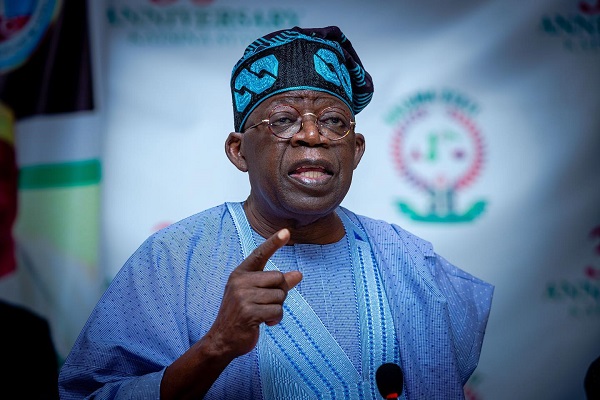
President Bola Tinubu and Federal Executive Council have scrapped the Niger Delta Ministry and the Ministry of Sports Development.
Special Adviser to the president on Information and Strategy, Bayo Onanuga, disclosed this in a post on his official X handle on Wednesday.
He said the decisions were taken at the meeting of the FEC in Abuja.
According to him, “there will now be a Ministry of Regional Development to oversee all the regional development commissions, such as Niger Delta Development Commission, North West Development Commission, South West Development Commission, North East Development Commission”.
He also stated that the National Sports Commission will take over the role of the Ministry of Sports henceforth.
During the FEC meeting, the president also approved the merger of the Ministry of Tourism with the Ministry of Culture and Creative Economy.

Rising Economic Hardship Ignites Youth Protests
Despite urgent government appeals, many youths in Niger State have taken to the streets, expressing their discontent over Nigeria’s worsening economic situation. The protests erupted on Monday, with participants voicing their frustrations through various means.
Protests Erupt Over Economic Challenges
The protesters filled the streets, chanting slogans critical of the government. Their placards bore powerful messages such as “Enough is Enough,” “Stop Anti-Masses Policies,” “We Are Not Slaves In Our Country,” “Hardship Is Unbearable,” and “Fuel Subsidy Must Be Back.”
Government’s Attempt to Prevent Protests
In a bid to quell the rising discontent, Governor Mohammed Bago had previously introduced several welfare measures aimed at alleviating the economic strain on residents. These included a N20,000 wage allowance for state and local government civil servants and the release of 50,000 metric tonnes of assorted grains to be sold at subsidized rates.
Youths Demand Immediate Economic Relief
The protesters’ demands highlight the urgent need for immediate and effective economic relief measures. The government’s efforts, though significant, have not fully addressed the pressing concerns of the citizens, particularly the youth who are most affected by the current economic policies.
The Call for Sustainable Economic Policies
The ongoing protests underscore a broader call for sustainable and inclusive economic policies. The youth of Niger State are advocating for long-term solutions that will ensure economic stability and improve living conditions for all citizens. Their actions signal a critical need for the government to engage with the populace and develop strategies that address the root causes of economic hardship.
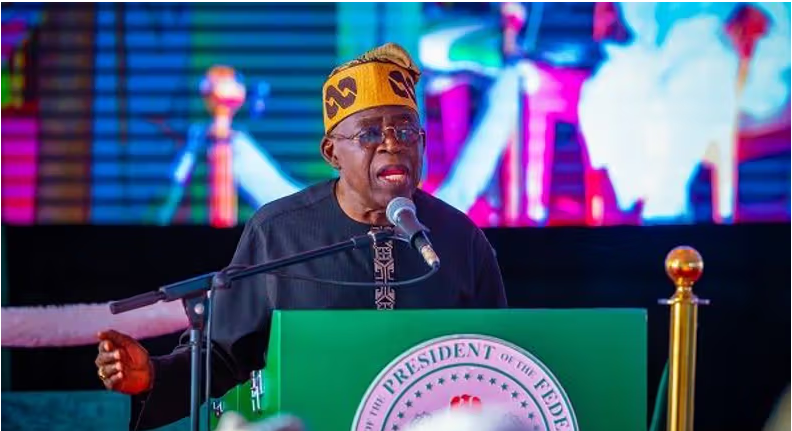
President Bola Ahmed Tinubu has vows to sack any member of his cabinet who fails to meet the expectations of Nigerians.
In a recent declaration, President Bola Tinubu has reaffirmed his commitment to ensuring that his administration meets the high expectations of the Nigerian populace. As part of his accountability drive, President Tinubu has vowed to dismiss any ministers who fail to deliver on their mandates. This bold stance underscores his dedication to fostering a government that is both responsive and responsible.
President Tinubu’s Vision for Nigeria
A New Era of Accountability
President Tinubu’s administration is anchored on a promise of transparency, efficiency, and accountability. He envisions a Nigeria where government officials are held to the highest standards and are expected to deliver tangible results that improve the lives of citizens. This commitment is a critical component of his broader strategy to restore trust in the government and drive national development.
Strategic Goals and Objectives
The administration’s strategic goals include economic revitalization, enhanced security, infrastructural development, and improved social services. Each minister has been assigned specific targets aligned with these overarching objectives. The performance of these ministers will be closely monitored to ensure they are contributing effectively to the nation’s progress.
Key Areas of Focus
Economic Revitalization
Economic growth is at the heart of President Tinubu’s agenda. The administration aims to stimulate the economy through various measures, including fostering a conducive environment for business, promoting foreign investment, and supporting small and medium enterprises (SMEs). Economic policies are designed to create jobs, reduce poverty, and enhance the overall quality of life for Nigerians.
Enhanced Security
Security remains a top priority for the Tinubu administration. With the rise of insurgency, banditry, and other forms of criminality, ensuring the safety of citizens is paramount. The government is implementing comprehensive security reforms, increasing funding for security agencies, and leveraging technology to combat crime effectively.
Infrastructural Development
Infrastructure development is crucial for economic growth and social well-being. The administration is committed to modernizing Nigeria’s infrastructure, including roads, bridges, ports, and power supply. These improvements are expected to boost economic activities and improve the quality of life for citizens.
Improved Social Services
Access to quality education, healthcare, and other social services is essential for national development. The Tinubu administration is working to enhance these services, ensuring that they are accessible and affordable for all Nigerians. Reforms in the education and healthcare sectors are designed to produce long-term benefits for the nation’s human capital.
Performance Monitoring and Evaluation
Setting Clear Expectations
Each minister has been given clear and measurable performance targets. These targets are designed to ensure that every member of the cabinet is working towards the administration’s strategic goals. Regular evaluations will be conducted to assess progress and identify areas for improvement.
Accountability Mechanisms
To enforce accountability, the administration has established robust mechanisms for monitoring and evaluation. These include performance reviews, audits, and public reporting. Ministers are required to provide regular updates on their progress, and any failures to meet expectations will be addressed promptly.
The Implications of Dismissing Non-Performing Ministers
Reinforcing Accountability
By committing to dismiss non-performing ministers, President Tinubu is sending a strong message about the importance of accountability. This approach is expected to motivate ministers to perform at their best, knowing that their positions depend on their ability to deliver results.
Building Public Trust
Public trust in government is crucial for national stability and development. The dismissal of ineffective ministers will demonstrate the administration’s commitment to serving the people and addressing their needs. This transparency is likely to enhance public confidence in the government’s ability to lead the country effectively.
Ensuring Effective Governance
Effective governance requires that all members of the administration work collaboratively towards common goals. Removing non-performing ministers will ensure that the cabinet remains cohesive and focused on achieving the administration’s objectives. This will ultimately lead to better governance and improved outcomes for the country.
Challenges and Opportunities
Addressing Potential Challenges
While the commitment to dismiss non-performing ministers is commendable, it also presents challenges. These include the potential for political backlash and the difficulty of finding suitable replacements. The administration must navigate these challenges carefully to maintain stability and continuity.
Leveraging Opportunities
This policy also presents opportunities to introduce fresh perspectives and innovative ideas into the government. By bringing in new ministers with proven track records of success, the administration can drive forward its agenda more effectively. This approach can lead to dynamic governance and positive change.
Conclusion
President Bola Tinubu’s pledge to hold his ministers accountable represents a significant step towards achieving a more effective and responsive government. By setting clear expectations and committing to dismiss those who fail to meet them, the administration is reinforcing the importance of accountability and performance. This bold stance is expected to drive progress across key areas such as economic revitalization, security, infrastructure, and social services. As Nigeria moves forward, the commitment to accountability will play a crucial role in building a brighter future for all Nigerians.
News
There is Panic in Kano as Emirs Sanusi and Bayero announce to lead Jumaat Prayers in one mosque

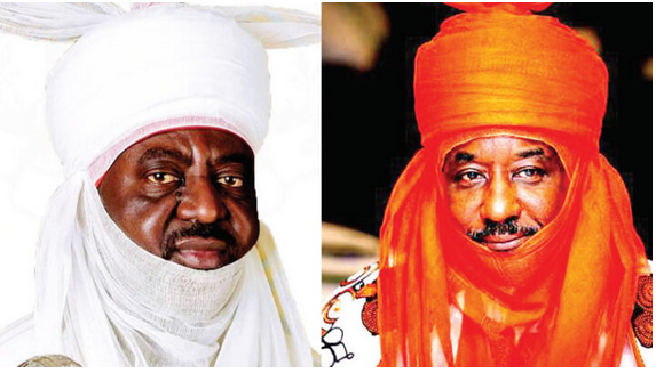
Palpable fear has enveloped the ancient city of Kano as the two contending Emirs- the reinstated Emir Muhammadu Sanusi II and the dethroned Emir Aminu Ado Bayero, announced their plans to pray Jumaat prayers at the Palace Central Mosque.
STEADYGIST reports that already, Emir Malam Muhammadu Sanusi II, who resides in the Palace, and is closer to the contending Mosque, is expected to lead the two rakat Friday prayers.
Emir Muhammadu Sanusi II has been leading the Jumaat Prayers at the Palace Central Mosque as the Amir of the City, a statement explained.
The statement signed by Danburan Kano, Munir Sanusi Bayero, spelt out the movement of the reinstated Emir Muhammadu Sanusi II to the Mosque to lead the Jumaat Prayers.
The statement was issued Thursday night.
The statement by Danburan invited Kano residents to come and listen to the sermon to be delivered by the Emir Malam Muhammadu Sanusi II.
However, another statement from an aide of the deposed Emir, Alhaji Aminu Ado Bayero invited residents to join him at the Emir’s Palace Friday Mosque to observe the Juma’at prayer.
It stated that the movement to the Emir’s Palace Mosque starts at 12.30 pm.
However, the police are yet to comment on the development.

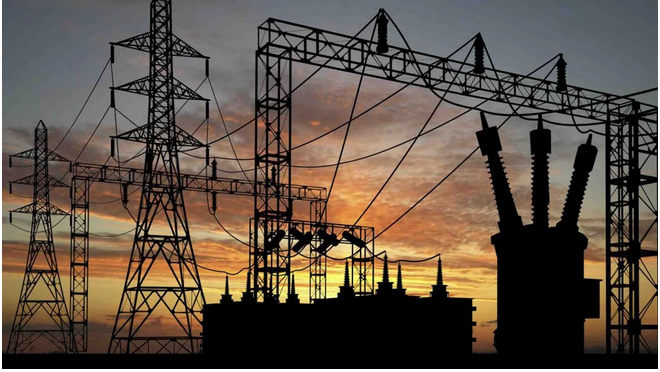
Nigerian govt gives update on national grid collapse
BREAKING: President Tinubu scraps two ministries, merges others

MTN offices besieged as aggrieved subscribers protest over sim blockage
-
Gov. Ambode11 years ago
Lagos commences prosecution of 28 tax defaulters
-
Fashion9 years ago
These ’90s fashion trends are making a comeback in 2017
-
Entertainment9 years ago
The final 6 ‘Game of Thrones’ episodes might feel like a full season
-

 Entertainment3 years ago
Portable boasts of owning 30 Mansion Across Lagos and Ogun State
-
Fashion9 years ago
According to Dior Couture, this taboo fashion accessory is back
-
Entertainment9 years ago
The old and New Edition cast comes together to perform
-
Sports9 years ago
Phillies’ Aaron Altherr makes mind-boggling barehanded play
-
Ankara5 years ago
50 Best Lace Blouse Styles for Tying Wrappers for 2022