
Entertainment
Funke Akindele Net Worth: Biography, Marriages and Life in General

Funke Akindele Net Worth, Cars, House & Biography

Funke Akindele Biography
Funke Akindele, also known as Funke Akindele-Bello, is a highly talented and successful Nigerian actress, producer, and entrepreneur. She is widely recognized for her remarkable acting skills and has become a household name in Nigeria and beyond. Funke Akindele’s net worth reflects her accomplishments and contributions to the entertainment industry.
Funke Akindele is the second of three children, two girls and a boy. Her mother is a medical doctor, while her father is a retired school principal. Funke Akindele graduated from the former Ogun State Polytechnic, now Moshood Abiola Polytechnic, with an Ordinary National Diploma (OND) in Mass Communication.
Funke Akindele Nickname: Jennifer
How Old is Funke Akindele: Date of birth 24 August 1977
Funke Akindele Marriages:
Funke Akindele has been married twice. Here is a brief overview of her marriages:
Funke Akindele and Adeola Kehinde Oloyede (2009-2013):
Funke Akindele got married to Adeola Kehinde Oloyede, a Lagos-based businessman, on May 26, 2012. Their wedding was a private ceremony attended by close friends and family. Unfortunately, the marriage faced challenges, and the couple went their separate ways after a short period of being together. They eventually got divorced, with the marriage officially ending in 2013.
Funke Akindele and Abdul Rasheed Bello (JJC Skillz) (2016-2019):

Since their marriage, Funke Akindele and JJC Skillz have been quite public about their love and support for each other. They frequently share pictures and messages on social media, showcasing their strong bond and affection for one another.
Together, Funke Akindele and JJC Skillz have been involved in various projects and collaborations, both in the entertainment industry and in their businesses. They have also welcomed children into their family, bringing joy and happiness to their lives. But unfortunately, their marriage crashes and both went their separate ways. JJC Skillz later got married to
Funke Akindele Net Worth:
Funke Akindele is one of Nigeria’s wealthiest actresses. The outstanding actress and movie producer is worth $7.6 million, and she has several endorsement deals, including being an Ambassador for Irokotv.
Keystone Bank hired her as a brand ambassador in 2018. In November 2019, she got an endorsement contract with Waw Nigeria, a detergent and bar soap manufacturer.
Funke Akindele Acting Career:
Funke Akindele gained prominence in the early 2000s for her role as Bisi in the popular Nigerian TV show “I Need to Know.” However, she achieved widespread fame and acclaim for her lead role as Jenifa in the comedy series “Jenifa’s Diary,” which she also co-produces. The show has been a massive success and has garnered her numerous awards and accolades.
Funke Akindele Movie Productions:
Apart from her acting career, Funke Akindele has also made a name for herself as a successful movie producer. She has produced several blockbuster films that have achieved commercial success both in Nigeria and internationally.
Funke Akindele Brand Endorsements:
Funke Akindele has been associated with several top brands as a brand ambassador. Her popularity and wide reach have made her a sought-after face for endorsements and advertising campaigns.
Funke Akindele as an Entrepreneurship:
In addition to her contributions to the entertainment industry, Funke Akindele is also an entrepreneur. She has ventured into various business endeavors, including launching her own production company and establishing her fashion line.
Funke Akindele Achievements and Recognition:
Funke Akindele’s contributions to the Nigerian entertainment industry have not gone unnoticed. She has received numerous awards and nominations for her acting and producing roles. Some of her accolades include Africa Movie Academy Awards, Africa Magic Viewers’ Choice Awards, and Nigeria Entertainment Awards, among others.
Philanthropy and Social Impact:
Beyond her professional success, Funke Akindele is also actively involved in philanthropy and social impact initiatives. She has supported various charitable causes and uses her platform to raise awareness about social issues and inspire positive change in her community.
Funke Akindele House:

Funke Akindele Cars

Conclusion:
Funke Akindele’s net worth reflects her talent, hard work, and dedication to her craft. As a versatile actress, successful producer, and entrepreneur, she has established herself as one of Nigeria’s leading entertainment figures. While her net worth may continue to evolve due to ongoing projects and business ventures, Funke Akindele’s impact on the Nigerian entertainment industry and her philanthropic efforts make her a truly remarkable personality.

Which housemates made a great first impression with their fashion?
Big Brother Naija Season 9 ‘ No Loose Guard’ has started and this show will have Nigerians glued to their television sets for 72 days.
The show usually begins with an opening ceremony where the contestants introduce themselves. As with everything, first impressions matter, and many people pick their favourites from the first time they appear on the Big Brother Naija stage.
Here are the best-dressed housemates from BBNaija season 9 opening night
Victoria Uvo
African women often look radiant in yellow. Victoria’s yellow lace miniskirt with a dramatic fabric overlay was a stunning choice; it added drama while maintaining elegance.
Topher
Joseph Bassey aka Topher looked exceptionally handsome in his black agbada. The popular phrase “Yoruba demon” perfectly captures his striking appearance. Ladies, beware!
Mbadiwe twins
These identical twins represented their Igbo culture in a black kaftan paired with ceremonial beads and an Igbo traditional cap usually reserved for chiefs.
Anita Ukah
This gown is a masterpiece that showcases the exceptional talent of Nigerian tailors. She looked like a blossoming purple flower in it.
Action Ben
This agbada is impeccably tailored; its fit, colour, and intricate embroidery create a stunning ensemble.
DJ Flo
DJ Flo certainly made a dramatic entrance into the Big Brother house. Her outfit, featuring a wide, eye-catching hat paired with a cropped jacket and pants, was a bold statement. However, the pants seemed to be a bit too long for the overall look.

Controversial Nigerian singer Habeeb Okikiola, aka Portable, has called out his colleague Davido for allegedly giving him ‘bad advice’ during their recent dinner in the United States.
The ‘Zazu’ crooner claimed that Davido, who signed to Sony Music, advised him against joining the label, urging him to sign with Empire instead.
Portable alleged foul play, saying he is also aiming for a Grammy like Davido yet the DMW boss is asking him to join a label that might not influence the award for him.
Speaking during a recent Instagram Live session, Portable said: “You are signed to Sony Music, but you’re giving me bad advice in America to get signed to Empire and collect advance. The same Grammy you’re chasing is what I’m also chasing.”
The controversial singer stated that he prefers helpers who would help him genuinely and not listen to gossip or give him bad advice.
“Olamide helped me directly, Skepta gave me a verse, money, shoes, clothes and still linked me up with big fashion brands. That’s the kind of helper I want from God not someone who will be following mouth,” Portable said.

Nigerian rapper and activist, Falz, recently shared his experience regarding the ongoing labour strike in Nigeria. Despite facing financial setbacks due to the strike, Falz expressed unwavering support for the movement, highlighting the importance of standing with the workers in their fight for better conditions. This article delves into Falz’s perspective, the impact of the strike on various sectors, and the broader implications for Nigerian society.
Falz’s Financial Losses Amidst the Strike
Falz, a prominent figure in the Nigerian music industry, has been vocal about social and political issues. The labour strike, which has disrupted numerous activities, including entertainment events, has also affected Falz financially. He acknowledged that several of his scheduled performances and engagements had to be canceled or postponed, leading to a significant loss of income. However, Falz emphasized that the financial hit he took was a necessary sacrifice in the larger fight for workers’ rights and fair treatment.
The Entertainment Industry’s Struggle
The entertainment industry, heavily reliant on public gatherings and events, has been particularly hard-hit by the labour strike. Concerts, festivals, and other entertainment-related activities have come to a halt, impacting not just the artists but also the ancillary services that depend on these events. Sound engineers, stage crews, vendors, and many others find themselves out of work due to the strike-induced cancellations.
Falz’s Commitment to Social Justice
Falz’s stance is deeply rooted in his commitment to social justice and his belief in the power of collective action. He has consistently used his platform to advocate for change and to support various social causes. His support for the labour strike is a continuation of his activism, reinforcing his message that the pursuit of justice often requires personal sacrifices.
Advocacy Through Music
Falz’s music often reflects his activism. Songs like “This is Nigeria” have garnered widespread attention for their critical take on societal issues. By integrating social commentary into his art, Falz reaches a broad audience, raising awareness and inspiring action. His support for the labour strike is in line with his artistic and personal values, showcasing his dedication to using his influence for the greater good.
The Broader Impact of the Labour Strike
The labour strike in Nigeria has had extensive repercussions across various sectors. From education and healthcare to transportation and public services, the strike has disrupted everyday life for millions of Nigerians. While the immediate effects are challenging, the long-term goal is to achieve fair labour practices and improved working conditions, which could benefit society as a whole.
Education Sector Disruption
Educational institutions have been severely impacted, with teachers and administrative staff participating in the strike. Schools and universities have faced closures, disrupting the academic calendar and affecting students’ education. The strike underscores the urgent need for addressing the grievances of educational workers to ensure a stable and effective learning environment.
Healthcare Challenges
Healthcare services have also been affected, as medical staff join the strike to demand better working conditions and fair compensation. This has led to a strain on healthcare facilities, with many patients facing difficulties in accessing essential medical services. The strike highlights the critical need for reforms in the healthcare sector to support the well-being of medical professionals and patients alike.
The Path Forward: Dialogue and Negotiation
Resolving the issues at the heart of the labour strike requires constructive dialogue between the government, employers, and labour unions. Finding a balanced solution that addresses the workers’ demands while ensuring the continuity of essential services is crucial.
Government’s Role
The government has a pivotal role in mediating negotiations and implementing policies that protect workers’ rights. By engaging in sincere and transparent discussions with labour unions, the government can foster a more equitable and just workplace environment.
Labour Unions’ Responsibilities
Labour unions must also approach negotiations with a focus on sustainable solutions. While advocating for workers’ rights, it is essential to consider the broader economic context and strive for agreements that promote long-term stability and growth.
Conclusion: Standing in Solidarity
Falz’s decision to support the labour strike, despite his financial losses, underscores the importance of solidarity in the face of adversity. His commitment to social justice and advocacy for workers’ rights highlights the power of collective action. As Nigeria navigates the challenges posed by the strike, the path forward lies in open dialogue, mutual understanding, and a shared commitment to creating a fairer society.
The ongoing labour strike serves as a reminder of the critical issues that need to be addressed to ensure fair treatment for all workers. Through solidarity and constructive engagement, it is possible to achieve meaningful reforms that benefit both workers and society as a whole.
Celebrities
Old National Anthem: Bring back old Naira-dollar exchange rate, fuel pump price too – Igosave tells Nigerian govt


Following the reinstatement of Nigeria’s old National Anthem, “Nigeria, We Hail Thee,” comedian Otaghware Otas Onodjayeke, also known as Igosave, has called on President Bola Tinubu’s administration to not only revive the anthem but also restore the country’s economy and security standards to their former glory.
President Bola Tinubu signed the National Anthem Bill 2024 into law on Wednesday, marking the return of the old anthem. In response, Igosave urged the government to address the economic and security issues that have plagued Nigeria in recent years. He expressed his thoughts on Instagram, highlighting the need for a return to the favorable conditions of the past.
The Historical Significance of “Nigeria, We Hail Thee”
Origins of the Anthem
“Nigeria, We Hail Thee” was Nigeria’s first national anthem, adopted when the country gained independence in 1960. Composed by Lillian Jean Williams and arranged by Frances Berda, the anthem embodied the hopes and aspirations of a newly independent nation.
Transition to “Arise, O Compatriots”
In 1978, the anthem was replaced by “Arise, O Compatriots,” composed by the Nigerian Police Band under the directorship of Benedict E. Odiase. This change was driven by a desire to have an anthem that reflected more contemporary themes and a broader nationalistic spirit.
The Economic Landscape: Then and Now
Economic Conditions During the Era of “Nigeria, We Hail Thee”
In the early years following independence, Nigeria experienced significant economic growth, largely driven by agriculture and natural resources. The naira was strong, and the country enjoyed a period of relative stability and prosperity.
Current Economic Challenges
Today, Nigeria faces numerous economic challenges, including inflation, high unemployment rates, and a weakened currency. The price of essential goods and services, such as fuel and food, has skyrocketed, placing a heavy burden on the average Nigerian.
Igosave’s Call for Economic Restoration
Igosave’s remarks underscore the desire of many Nigerians to see a return to the economic conditions that characterized the early post-independence era. He specifically mentioned the need for lower fuel prices, a stronger dollar-to-naira exchange rate, and better overall economic management.
The State of Security in Nigeria
Historical Perspective on Security
During the period when “Nigeria, We Hail Thee” was the national anthem, Nigeria experienced relative peace and security. While there were challenges, the scale and frequency of violent incidents were significantly lower than what is seen today.
Contemporary Security Issues
Nigeria is currently grappling with severe security issues, including terrorism, banditry, and kidnapping. These challenges have led to a general sense of insecurity and have had a detrimental impact on the country’s economic and social stability.
Celebrities’ Reactions and Public Sentiment
Alongside Igosave, other prominent figures such as actress Kate Henshaw and singer Joeboy have criticized the government for focusing on symbolic changes like the national anthem while neglecting pressing issues like security and economic stability.
The Symbolic Power of National Anthems
National Identity and Unity
National anthems play a crucial role in fostering a sense of identity and unity among citizens. “Nigeria, We Hail Thee” is a symbol of Nigeria’s rich history and the aspirations of its people.
The Potential for National Rejuvenation
Reintroducing the old anthem could serve as a catalyst for a broader movement towards national rejuvenation. It can inspire a collective effort to address the economic and security challenges facing the country.
Government Initiatives and Public Expectations
Recent Government Actions
The Tinubu administration has taken several steps to address Nigeria’s economic and security issues. These include policy reforms, investment in infrastructure, and efforts to improve governance and accountability.
The Need for Comprehensive Reforms
However, there is a growing consensus that more comprehensive and sustained efforts are needed to achieve meaningful progress. This includes tackling corruption, improving education and healthcare, and creating an enabling environment for businesses to thrive.
The Role of Civil Society and Media
Advocacy and Accountability
Civil society organizations and the media play a critical role in holding the government accountable and advocating for the needs of the people. They can help ensure that the government prioritizes issues that directly impact the well-being of Nigerians.
Public Engagement and Participation
Engaging the public in the decision-making process is essential for creating policies that reflect the needs and aspirations of the people. This includes soliciting input from diverse stakeholders and fostering open dialogue on key issues.
The Importance of a Stable and Prosperous Nigeria
Regional and Global Implications
Nigeria’s stability and prosperity have significant implications for the broader West African region and the global community. As Africa’s most populous country and largest economy, Nigeria plays a crucial role in regional security, economic development, and international trade.
The Path Forward
Achieving a stable and prosperous Nigeria requires a multifaceted approach that addresses both immediate and long-term challenges. This includes investing in human capital, promoting good governance, and fostering inclusive economic growth.
Conclusion
The reinstatement of Nigeria’s old National Anthem, “Nigeria, We Hail Thee,” has sparked a renewed conversation about the country’s future. While the anthem serves as a powerful symbol of national pride and identity, it also highlights the urgent need for substantive reforms. By addressing the economic and security challenges that have hindered progress, the Nigerian government can honor the legacy of the past and pave the way for a brighter future. As citizens, media, and civil society come together to advocate for change, there is hope that Nigeria can achieve the stability and prosperity that its people deserve.

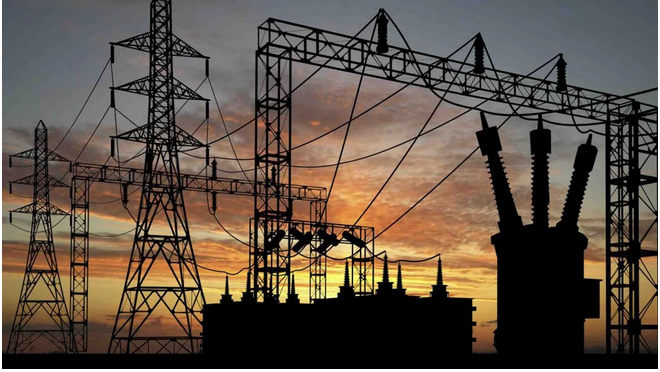
Nigerian govt gives update on national grid collapse
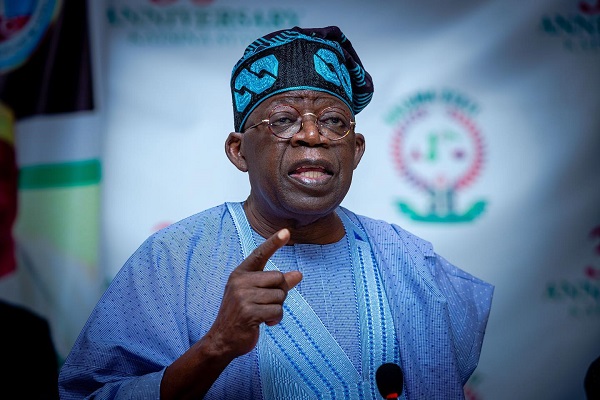
BREAKING: President Tinubu scraps two ministries, merges others

MTN offices besieged as aggrieved subscribers protest over sim blockage
-
Gov. Ambode11 years ago
Lagos commences prosecution of 28 tax defaulters
-
Fashion9 years ago
These ’90s fashion trends are making a comeback in 2017
-
Entertainment9 years ago
The final 6 ‘Game of Thrones’ episodes might feel like a full season
-

 Entertainment3 years ago
Portable boasts of owning 30 Mansion Across Lagos and Ogun State
-
Fashion9 years ago
According to Dior Couture, this taboo fashion accessory is back
-
Entertainment9 years ago
The old and New Edition cast comes together to perform
-
Sports9 years ago
Phillies’ Aaron Altherr makes mind-boggling barehanded play
-
Ankara5 years ago
50 Best Lace Blouse Styles for Tying Wrappers for 2022