
Tinubu
President Tinubu’s Greatest Ambition Was to Become President, Not to Transform Nigeria

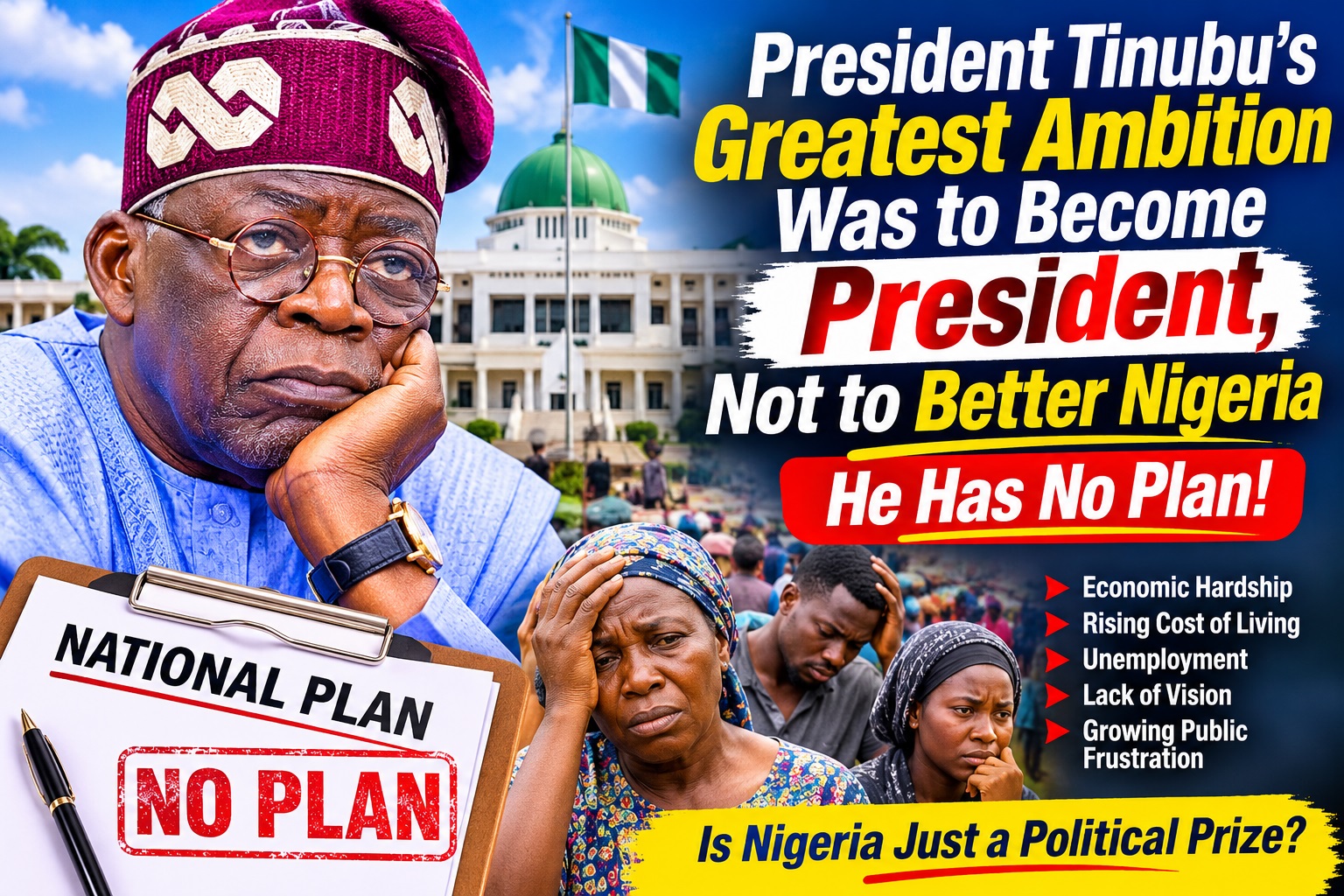
President Tinubu Has No Plan for Nigeria? His Ambition Was to Become President
President Tinubu’s ambition to become Nigeria’s president is facing fresh criticism as economic hardship, rising living costs and concerns about his administration’s direction continue to dominate public debate. Few politicians in Nigeria’s modern history pursued the presidency with the determination, patience, and strategic calculation demonstrated by President Bola Ahmed Tinubu. For decades, his supporters described him as a master political strategist, a kingmaker, and one of the most influential figures in Nigerian politics. His eventual victory in the 2023 presidential election was, for many observers, the culmination of a lifelong ambition.
However, three years into his administration, a growing number of Nigerians are beginning to ask a difficult question: Was Tinubu’s ultimate goal simply to become president, or did he genuinely possess a comprehensive vision for transforming Nigeria?
For many critics, the answer is becoming increasingly clear. They argue that Tinubu’s greatest ambition was not necessarily to build a better Nigeria but rather to achieve the presidency itself.
The Long Road to the Presidency
Unlike many politicians who emerge suddenly on the national stage, Tinubu’s presidential ambition was a long-term project. From his time as governor of Lagos State to his role in building political alliances across the country, he spent decades cultivating influence and establishing networks that would eventually propel him to the nation’s highest office.
His famous declaration during the 2023 election season that it was his “turn” to become president reflected a belief shared by many of his supporters that he had earned the position through years of political investment and sacrifice.
The problem, however, is that winning power and exercising power effectively are two very different challenges.
Many leaders spend years planning how to acquire power but far less time developing practical solutions for the complex problems they will face once they obtain it. Critics of the Tinubu administration argue that this distinction has become increasingly visible in Nigeria today.
A Nation in Economic Distress
When Tinubu assumed office, Nigerians expected bold reforms that would improve living standards and strengthen the economy. Instead, many citizens have experienced severe economic hardship.
The removal of fuel subsidies and the floating of the naira were presented as necessary economic reforms. While economists may debate the long-term merits of these policies, the immediate consequences were devastating for millions of ordinary Nigerians.
Food prices soared.
Transportation costs skyrocketed.
Rent became increasingly unaffordable.
Small businesses struggled to survive.
The middle class continued to shrink while poverty expanded.
For many households, daily survival became more difficult than at any point in recent memory.
Critics argue that the problem was not merely the reforms themselves but the apparent absence of adequate planning to cushion their impact. Major economic changes often require carefully designed social protection measures, yet many Nigerians felt abandoned as prices rose faster than incomes.
This has fueled the perception that the administration was prepared to implement difficult policies but not prepared to manage their consequences.
The Missing Vision
One of the most persistent criticisms of the Tinubu administration is the lack of a clearly articulated national vision.
Successful leaders often inspire citizens with a compelling picture of the future. They communicate where the country is headed, why sacrifices are necessary, and how ordinary people will ultimately benefit.
Many Nigerians struggle to identify such a vision in the current administration.
What exactly is the long-term economic roadmap?
What is the strategy for reducing unemployment?
How will Nigeria become more competitive globally?
What measurable goals should citizens expect within four or eight years?
These questions remain unanswered in the minds of many critics.
Instead of a coherent national project, they see a government reacting to crises as they emerge rather than pursuing a clearly defined destination.
Governance Versus Politics
Tinubu’s political achievements are undeniable. Few individuals have demonstrated his ability to build coalitions, influence elections, and maintain relevance over several decades.
Yet governance demands a different set of skills.
Politics is about winning.
Governance is about delivering.
Politics focuses on strategy.
Governance focuses on results.
Politics seeks power.
Governance seeks progress.
Many Nigerians believe that the administration continues to operate with the mindset of a political campaign rather than a government focused on solving practical problems.
This perception has contributed to growing public frustration and declining confidence in the administration’s ability to address the country’s challenges.
The Burden on Ordinary Nigerians
Perhaps the strongest criticism of the current administration is that ordinary Nigerians have carried the burden of reform while seeing little evidence of corresponding benefits.
Citizens are repeatedly told that the economy is improving, that foreign investment is increasing, and that difficult decisions today will produce prosperity tomorrow.
Yet many people judge governments not by statistics but by lived experience.
They evaluate leadership based on what they can afford to eat, how easily they can pay rent, whether they can find employment, and whether they feel hopeful about the future.
For millions of Nigerians, those indicators suggest a worsening reality rather than meaningful progress.
History’s Final Judgment
It is still too early to write the final verdict on the Tinubu presidency. History often judges leaders differently than contemporary observers do.
Some reforms that appear painful today may eventually yield positive results. Economic transformations often require time before benefits become visible.
Nevertheless, governments cannot rely indefinitely on promises of future success. Citizens expect tangible improvements in their daily lives.
The central question facing President Tinubu’s administration is therefore simple: Was the presidency the destination, or merely the starting point?
If the ultimate goal was simply to become president, then history may remember Tinubu as a master politician who achieved his lifelong ambition.
But if his goal is to be remembered as a transformative leader, then he must demonstrate through action, policy, and results that his presidency is about more than personal political achievement.
The Nigerian people did not elect a strategist. They elected a president.
And presidents are ultimately judged not by how hard they worked to gain power, but by what they did with it once they had it.
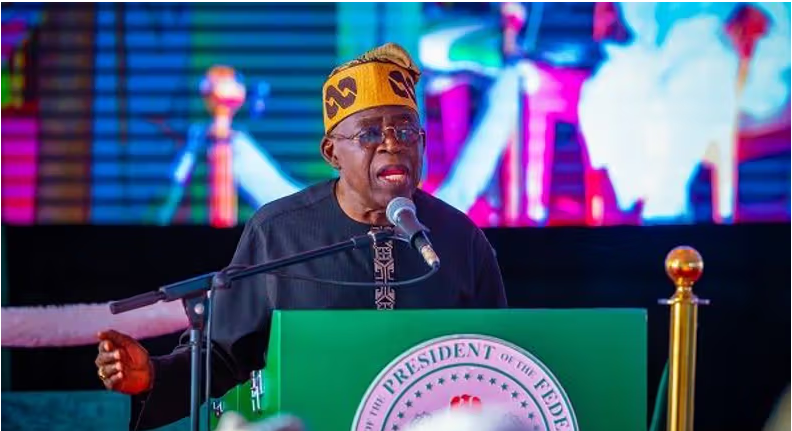
President Bola Ahmed Tinubu has vows to sack any member of his cabinet who fails to meet the expectations of Nigerians.
In a recent declaration, President Bola Tinubu has reaffirmed his commitment to ensuring that his administration meets the high expectations of the Nigerian populace. As part of his accountability drive, President Tinubu has vowed to dismiss any ministers who fail to deliver on their mandates. This bold stance underscores his dedication to fostering a government that is both responsive and responsible.
President Tinubu’s Vision for Nigeria
A New Era of Accountability
President Tinubu’s administration is anchored on a promise of transparency, efficiency, and accountability. He envisions a Nigeria where government officials are held to the highest standards and are expected to deliver tangible results that improve the lives of citizens. This commitment is a critical component of his broader strategy to restore trust in the government and drive national development.
Strategic Goals and Objectives
The administration’s strategic goals include economic revitalization, enhanced security, infrastructural development, and improved social services. Each minister has been assigned specific targets aligned with these overarching objectives. The performance of these ministers will be closely monitored to ensure they are contributing effectively to the nation’s progress.
Key Areas of Focus
Economic Revitalization
Economic growth is at the heart of President Tinubu’s agenda. The administration aims to stimulate the economy through various measures, including fostering a conducive environment for business, promoting foreign investment, and supporting small and medium enterprises (SMEs). Economic policies are designed to create jobs, reduce poverty, and enhance the overall quality of life for Nigerians.
Enhanced Security
Security remains a top priority for the Tinubu administration. With the rise of insurgency, banditry, and other forms of criminality, ensuring the safety of citizens is paramount. The government is implementing comprehensive security reforms, increasing funding for security agencies, and leveraging technology to combat crime effectively.
Infrastructural Development
Infrastructure development is crucial for economic growth and social well-being. The administration is committed to modernizing Nigeria’s infrastructure, including roads, bridges, ports, and power supply. These improvements are expected to boost economic activities and improve the quality of life for citizens.
Improved Social Services
Access to quality education, healthcare, and other social services is essential for national development. The Tinubu administration is working to enhance these services, ensuring that they are accessible and affordable for all Nigerians. Reforms in the education and healthcare sectors are designed to produce long-term benefits for the nation’s human capital.
Performance Monitoring and Evaluation
Setting Clear Expectations
Each minister has been given clear and measurable performance targets. These targets are designed to ensure that every member of the cabinet is working towards the administration’s strategic goals. Regular evaluations will be conducted to assess progress and identify areas for improvement.
Accountability Mechanisms
To enforce accountability, the administration has established robust mechanisms for monitoring and evaluation. These include performance reviews, audits, and public reporting. Ministers are required to provide regular updates on their progress, and any failures to meet expectations will be addressed promptly.
The Implications of Dismissing Non-Performing Ministers
Reinforcing Accountability
By committing to dismiss non-performing ministers, President Tinubu is sending a strong message about the importance of accountability. This approach is expected to motivate ministers to perform at their best, knowing that their positions depend on their ability to deliver results.
Building Public Trust
Public trust in government is crucial for national stability and development. The dismissal of ineffective ministers will demonstrate the administration’s commitment to serving the people and addressing their needs. This transparency is likely to enhance public confidence in the government’s ability to lead the country effectively.
Ensuring Effective Governance
Effective governance requires that all members of the administration work collaboratively towards common goals. Removing non-performing ministers will ensure that the cabinet remains cohesive and focused on achieving the administration’s objectives. This will ultimately lead to better governance and improved outcomes for the country.
Challenges and Opportunities
Addressing Potential Challenges
While the commitment to dismiss non-performing ministers is commendable, it also presents challenges. These include the potential for political backlash and the difficulty of finding suitable replacements. The administration must navigate these challenges carefully to maintain stability and continuity.
Leveraging Opportunities
This policy also presents opportunities to introduce fresh perspectives and innovative ideas into the government. By bringing in new ministers with proven track records of success, the administration can drive forward its agenda more effectively. This approach can lead to dynamic governance and positive change.
Conclusion
President Bola Tinubu’s pledge to hold his ministers accountable represents a significant step towards achieving a more effective and responsive government. By setting clear expectations and committing to dismiss those who fail to meet them, the administration is reinforcing the importance of accountability and performance. This bold stance is expected to drive progress across key areas such as economic revitalization, security, infrastructure, and social services. As Nigeria moves forward, the commitment to accountability will play a crucial role in building a brighter future for all Nigerians.
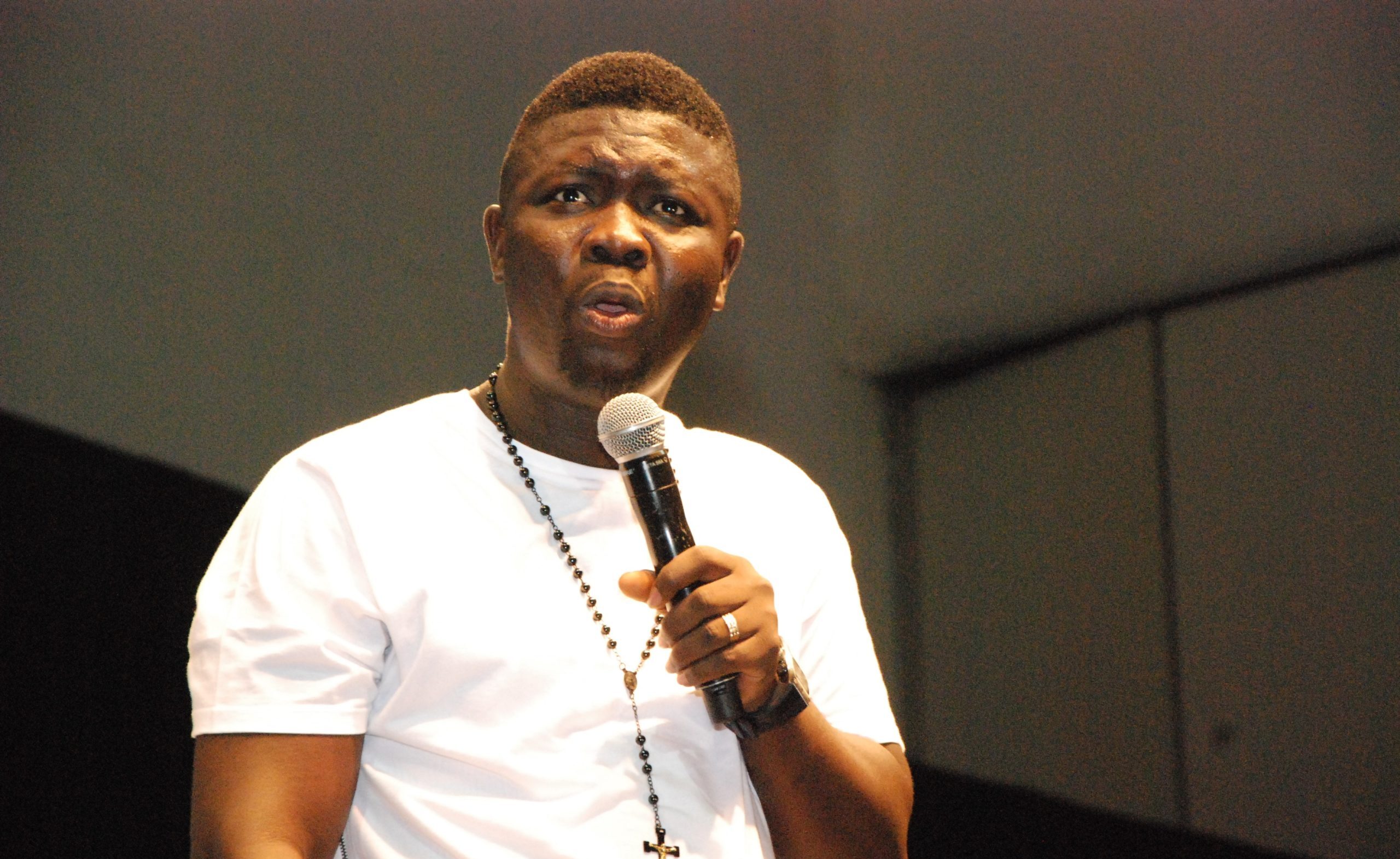
The Popular Nigerian comedian Oluwaseyitan Aletile, popularly known as Seyi Law, has expressed strong dissatisfaction regarding the recent introduction of a 0.5 percent cybersecurity levy by the Central Bank of Nigeria (CBN).
Reports from STEADY GIST highlighted that the apex bank issued a directive on Monday mandating banks in the country to impose a cybersecurity levy on transactions.
In response, Seyi Law vehemently criticized the new CBN policy, labeling it as “unacceptable.” He called on the apex bank to reconsider and review the policy.
Addressing President Bola Tinubu directly, the comedian urged the President to ease the burden on the masses and questioned when the announcement and implementation of the new minimum wage would take place.
Expressing frustration with government agencies, Seyi Law emphasized the need for clarity and transparency in policies affecting citizens. He highlighted discrepancies in the cybersecurity levy, ranging from 0.005% as per the act to the reported 0.5% and even 3% figures circulating.
Seyi Law’s statement on his social media handle read: “I am dismayed when government agencies fail to communicate effectively with citizens, leading to misconceptions and confusion. A 0.5% cybersecurity charge in today’s Nigeria is overly burdensome for Nigerians. Are we discouraging digital transactions and promoting cash transactions again? @cenbank should reconsider this decision.
“Adding to the existing stamp duty, this levy is unacceptable. @NGRPresident @officialABAT, please consider the plight of the less privileged. When will the new minimum wage be addressed and put into effect? Some ministers in your administration need to reassess their roles. One year has passed, and tangible progress is awaited.”
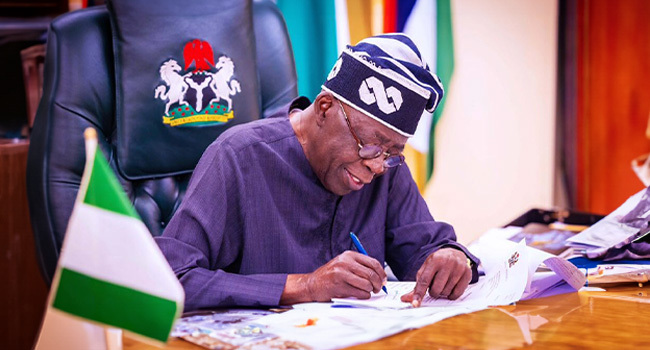
President Bola Tinubu has approves the start of the N100 billion Consumer Credit Scheme for Nigerians amid the escalating economic challenges in the country.
Ajuri Ngelale, the President’s spokesperson, revealed this in a statement on Wednesday.
He mentioned that interested Nigerians should visit the Nigerian Consumer Credit Corporation portal before May 15, 2024.
“Consumer credit is vital for modern economies, allowing citizens to access goods and services upfront, paying responsibly over time. It enables crucial purchases like homes, vehicles, education, and healthcare, essential for ongoing stability and the pursuit of aspirations.
“Through responsible repayment, individuals build credit histories unlocking more opportunities for a better life. Increased demand for goods and services also boosts local industry and job creation.
“The President believes every hardworking Nigerian should have access to social mobility, with consumer credit playing a key role in achieving this vision.
“The Nigerian Consumer Credit Corporation (CREDICORP) achieves its mandate by: Strengthening Nigeria’s credit reporting systems, ensuring every economically active citizen has a reliable credit score. This score becomes personal equity, facilitating access to consumer credit. Offering credit guarantees and wholesale lending to financial institutions committed to broadening consumer credit access. Promoting responsible consumer credit as a path to an improved quality of life, fostering a cultural shift towards growth and financial responsibility.
“In line with the President’s directive to expand consumer credit access, the Nigerian Consumer Credit Corporation (CREDICORP) has launched a portal for Nigerians to express interest in receiving consumer credit.
“This initiative, in partnership with financial institutions and cooperatives nationwide, aims to expand consumer credit availability.
“Working Nigerians interested in receiving consumer credit can visit www.credicorp.ng to express interest. The deadline is May 15, 2024.
“The scheme will be rolled out in phases, starting with civil service members and extending to the general public,” the statement concluded.
Recall that two months ago, presidential spokesman Bayo Onanuga announced that the Federal Executive Council had approved the establishment of the Consumer Credit Scheme.
He mentioned that the President’s Chief of Staff, Femi Gbajabiamila, would lead a committee including the Budget Minister, Attorney-General, and Coordinating Minister of the Economy and Finance to implement the scheme.
In March, the Chairman of the Federal Inland Revenue Service, Zacch Adedeji, stated that the Nigerian government would unveil its proposed N100 billion consumer credit loan in a few days.

Tinubu traveled to Abu Dhabi to resolve a diplomatic Problems between Nigeria and the UAE.

President Bola Tinubu has scheduled a meeting with the United Arab
Emirates (UAE) leadership to address the ongoing diplomatic Problems
with Nigeria.
The meeting would take place following the President’s departure from New Delhi, India, during a technical stay in Abu Dhabi, UAE.
Remember that Tinubu traveled to India with government officials and Nigerian businessmen and women to attend the recently finished G-20 Summit and to engage with Indian businesses about investment opportunities in Nigeria.
Nigeria and the UAE have been at odds diplomatically over visa issues and aviation operations. The UAE imposed a visa ban on Nigerians in 2022, shortly after the emirate’s national carrier, Emirates, halted flight operations in Nigeria due to an inability to repatriate stuck funds.
This was followed by Air Peace, a Nigerian carrier, suspending flight operations to the UAE because the country had stopped issuing visas to potential tourists.
However, while receiving the UAE Ambassador to Nigeria, Salem Saeed Al-Shamsi, at the State House in late August, Tinubu promised a fast resolution to the crisis, emphasizing his willingness to “personally” assist.
True to his word, the President is currently on his way to Abu Dhabi to talk with UAE leaders about the issues.
According to a statement issued by the Presidential Spokesman, Ajuri Ngelale, on September 10, 2023.
The statement read: “President Bola Tinubu will meet with the leadership of the United Arab Emirates (UAE) during a technical stopover in Abu Dhabi, UAE, after the President’s departure from New Delhi, India.
“The meeting will serve as a follow-up discussion to address specific, salient issues within the bilateral relationship after conversations held during a recent visit by the UAE Ambassador to the President at the State House in Abuja.
“The President is maximizing the opportunity of the stopover to equally advance his investment promotion objectives with high-level authorities in the public and private sectors of the United Arab Emirates.
“Following a successful investment drive on the sidelines of the G-20 Summit, active participation in the G-20 Summit, and a productive stopover in the UAE, the President is expected to return to Abuja immediately following the bilateral engagement.”


2027: Makinde Accuses Past and Present Nigerian Leaders of Squandering the Nation’s Vast Resources

2026 U-17 WWC: CAF Hails Nigeria’s Flamingos After Historic Victory Over Brazil

President Tinubu’s Greatest Ambition Was to Become President, Not to Transform Nigeria
-
Gov. Ambode11 years ago
Lagos commences prosecution of 28 tax defaulters
-
Fashion9 years ago
These ’90s fashion trends are making a comeback in 2017
-
Politics9 years ago
Presidency reacts to Wole Soyinka’s comments about Buhari Being in a ‘Trance’
-
Donald Trump6 years ago
Twitter, Facebook block Trump over Capitol attack posts
-
Entertainment9 years ago
The final 6 ‘Game of Thrones’ episodes might feel like a full season
-

 Entertainment3 years ago
Portable boasts of owning 30 Mansion Across Lagos and Ogun State
-
Fashion9 years ago
According to Dior Couture, this taboo fashion accessory is back
-
Entertainment9 years ago
The old and New Edition cast comes together to perform