
Sports
Pochettino Eyes £120m Triple Transfer Deal to Rebuild Manchester United Squad in January

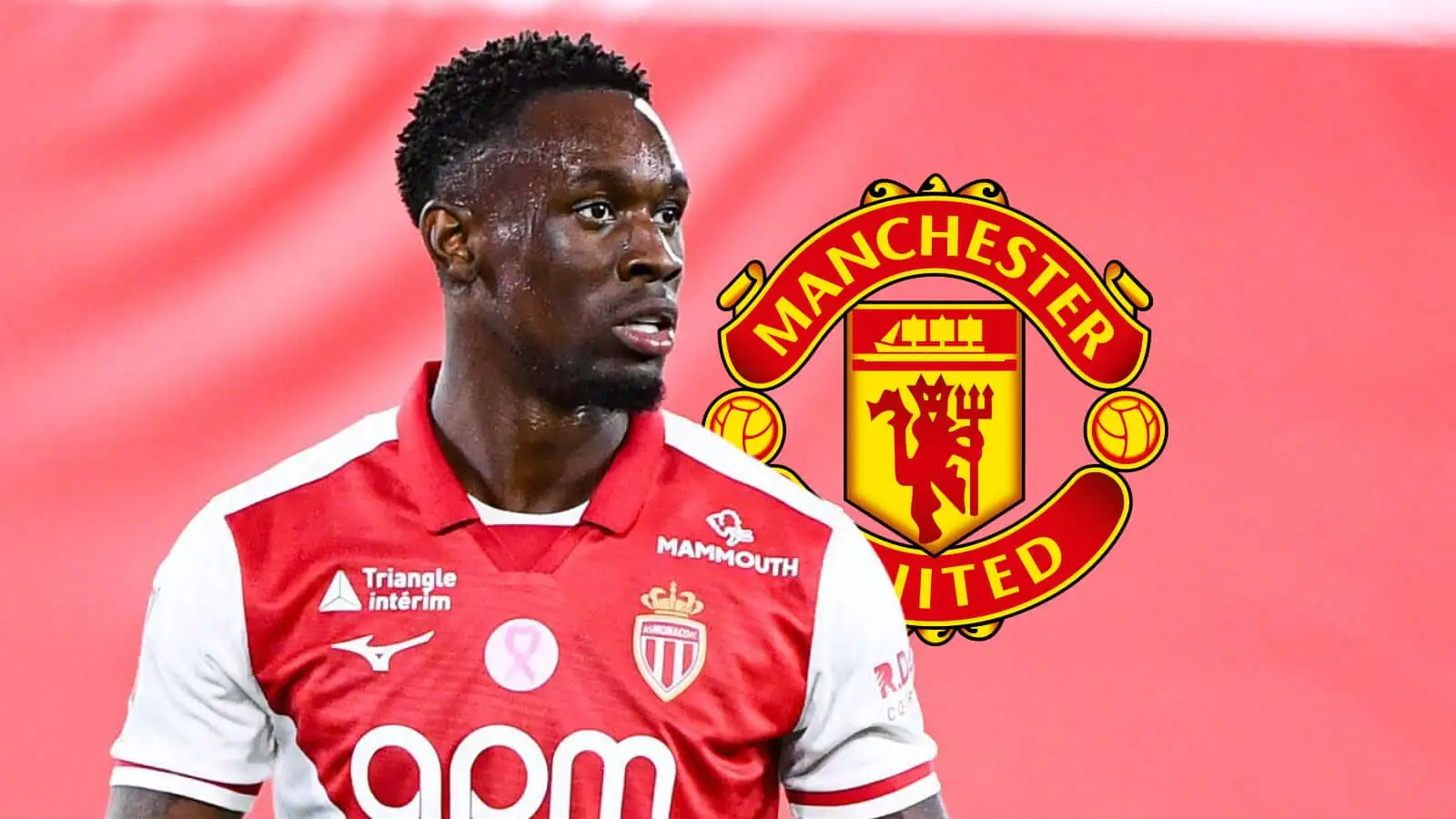
Mauricio Pochettino could be handed significant financial backing to strengthen Manchester United when the January transfer window opens, with reports suggesting that the Argentine manager wants to reinforce three key positions.
Mauricio Pochettino reportedly wants three major signings worth £120m as Manchester United prepare for a busy January transfer window.
The new United boss is reportedly considering moves for a left-back, a central defender and a striker as he prepares to reshape a squad that has struggled to deliver consistent performances this season.
Pochettino has agreed to a two-and-a-half-year contract at Old Trafford, replacing Michael Carrick, who was recently dismissed after just 15 matches in charge.
Before taking up his new position in Manchester, the 54-year-old is expected to oversee the United States men’s national team in their international fixture against Haiti on Wednesday, November 18.
He will then travel to England to begin work at Carrington, where he faces the difficult task of turning around United’s disappointing campaign.
The Red Devils have managed only three victories across all competitions this season, increasing the pressure on the club’s management to make significant improvements.
For Pochettino, however, the Manchester United appointment represents the fulfilment of a long-standing ambition. He has been linked with the Old Trafford job for several years, dating back to his widely discussed meeting with former United manager Sir Alex Ferguson in 2016.
Pochettino Could Have More Control Over Transfers Than Carrick
One major difference between Pochettino’s appointment and Carrick’s previous arrangement could be the level of influence the new manager enjoys over recruitment.
According to chief football correspondent Alex Crook, Pochettino is in a strong position to request greater financial support and have more involvement in Manchester United’s transfer decisions.
Crook believes the club could be forced to spend heavily in January despite initially having no plans for a major mid-season recruitment exercise.
He suggested that Pochettino may want three new players, particularly in defence and attack, to address weaknesses that have affected the team.
The journalist also indicated that the Argentine could negotiate a greater say in transfer matters than Carrick previously enjoyed.
With several senior players facing uncertain futures, United may have to make difficult decisions about the composition of their squad.
Harry Maguire, Luke Shaw and Lisandro Martínez were among the players mentioned in discussions about possible departures or changes to the defensive setup.
Crook suggested that Pochettino could arrive with a clear idea of the players he wants and expect the club’s hierarchy to support his plans.
Three Players Manchester United Could Target in January
Several names have reportedly emerged as potential additions to United’s squad, with Fulham, Brentford and other European clubs potentially involved in the transfer discussions.
The players attracting attention include Antonee Robinson, Nathan Collins, Calvin Bassey and Folarin Balogun.
1. Antonee Robinson – Left-back

Fulham defender Antonee Robinson is reportedly among the players Manchester United could consider signing to strengthen their left flank.
The American international has previously attracted attention from the club and is familiar with Pochettino through their work together with the United States national team.
His attacking contributions and ability to operate at left-back could make him an attractive option for a United side looking to improve its performance from wide defensive positions.
Robinson is reportedly valued at approximately £40 million, although any potential transfer would depend on negotiations between the clubs.
2. Nathan Collins – Centre-back
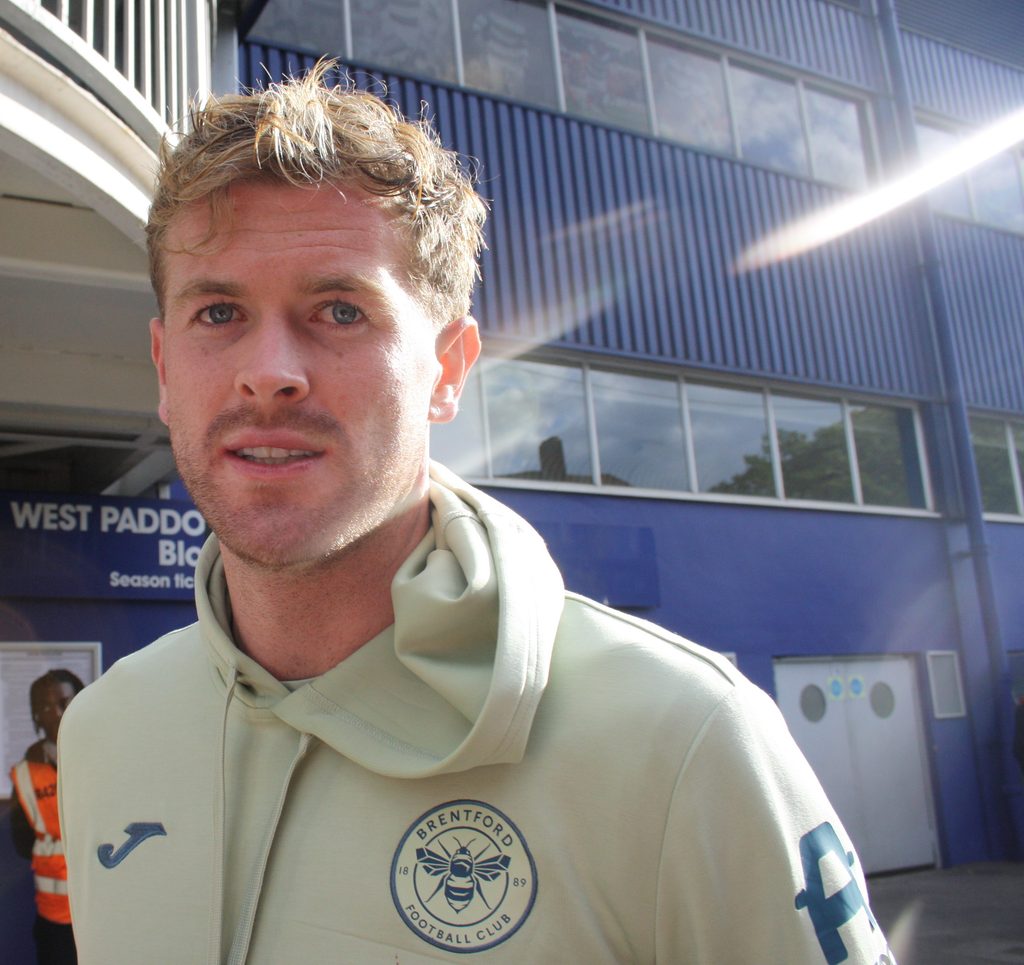
Brentford defender Nathan Collins is another name reportedly being monitored as United consider strengthening their central defence.
The Irish international has established himself in the Premier League and could provide additional physical presence and defensive stability.
United’s reported interest in a centre-back comes amid uncertainty surrounding the long-term futures of some existing defenders, particularly Lisandro Martínez.
Collins is believed to have an estimated market value of around £40 million.
3. Folarin Balogun – Striker

Arsenal academy graduate Folarin Balogun has also been linked with a possible move to Old Trafford.
The striker, who represents the United States internationally, previously worked under Pochettino and could be an attractive attacking option for the new manager.
United’s reported interest in Balogun suggests that strengthening the forward line could be another priority during the January window.
Like Robinson and Collins, his estimated valuation is around £40 million.
If Manchester United manage to secure all three players at those reported prices, the combined transfer expenditure would be approximately £120 million.
However, these figures are estimates, and no agreement for the three players has been confirmed.
Calvin Bassey Also on Manchester United’s Radar
Another defender reportedly attracting United’s attention is Fulham’s Calvin Bassey.
The Nigerian international has impressed with his physical qualities and defensive capabilities, making him a potential option as the club evaluates alternatives for its backline.
Reports have previously indicated that Manchester United are exploring the possibility of signing Bassey, with the defender viewed as someone who could help address the uncertainty surrounding Martínez’s future.
However, his potential transfer fee has not been clearly established.
His versatility could make him particularly appealing to Pochettino, especially if the manager wants to introduce greater competition and depth in defence.
Pochettino Reportedly Interested in Another USMNT Star
Beyond the three positions already identified, Pochettino is also reportedly looking at another American international.
According to an earlier exclusive report, the Argentine has asked Manchester United to consider Folarin Balogun and Alex Freeman as possible January targets.
Freeman is a 22-year-old right-back who currently plays for Villarreal in Spain.
His potential arrival would give United another option on the right side of defence and could provide additional competition within the squad.
Pochettino’s familiarity with both players through the United States national team could also influence his interest in bringing them to Old Trafford.
Nevertheless, it remains to be seen whether United will pursue all the reported targets or concentrate their resources on the positions considered most urgent.
Can Pochettino Turn Manchester United Around?
Pochettino’s arrival has raised expectations among Manchester United supporters, particularly because of his experience managing clubs such as Tottenham Hotspur, Chelsea and Paris Saint-Germain.
However, rebuilding United will require more than signing expensive players.
The new manager must find a way to improve the team’s tactical organisation, restore confidence among the players and establish a consistent style of football.
The January transfer window could provide an early opportunity to address some of the squad’s weaknesses, but the club’s recruitment decisions will be crucial.
Interestingly, former England striker Gary Lineker has also expressed pessimism about Manchester United’s future under Pochettino, predicting that the club could continue experiencing difficulties.
Whether that prediction proves accurate will depend on how effectively the Argentine handles the challenges waiting for him at Old Trafford.
For now, United supporters will be watching closely to see whether the club gives its new manager the financial backing and recruitment authority he reportedly wants.
A potential £120 million spending spree would certainly represent a significant statement of intent, but the real measure of success will be whether those investments help Manchester United become competitive again.
Sports
Manchester United Appoint Mauricio Pochettino as New Head Coach After Sacking Michael Carrick
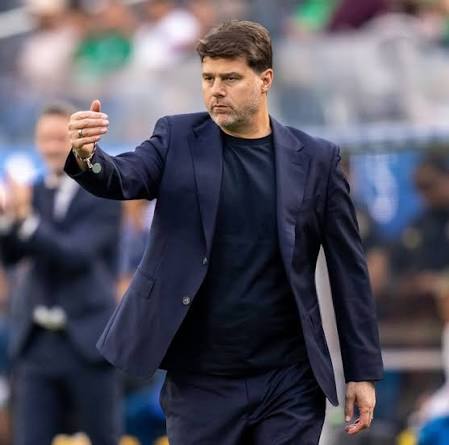
Manchester United have officially appointed Argentine manager Mauricio Pochettino as their new head coach, bringing an end to speculation over who would succeed Michael Carrick following his dismissal.
The 54-year-old has agreed to a two-and-a-half-year contract with the Premier League giants after leaving his position as head coach of the United States men’s national football team.
Pochettino is expected to begin his new assignment at Old Trafford with one of the biggest challenges in English football, as Manchester United prepare for a crucial Premier League encounter against arch-rivals Liverpool at Anfield on November 22.
His appointment comes just hours after the club confirmed Carrick’s departure, ending a relatively short spell in charge that lasted only 15 matches into the two-year agreement he signed in May.
How Manchester United Secured Pochettino’s Appointment
Manchester United’s decision to appoint Pochettino reportedly gathered momentum after the club discovered that his contract with the United States Soccer Federation contained a release clause.
United chief executive Omar Berrada contacted the American football authorities on Wednesday to communicate the club’s willingness to activate the clause, reportedly valued at $10 million (£7.5 million).
Negotiations subsequently progressed, allowing the Argentine tactician to secure his departure from the national team and complete his move to Manchester.
Pochettino reportedly became the preferred candidate during United’s search for Carrick’s replacement. The club’s leadership considered his managerial background, knowledge of English football and experience working with elite players important factors in reaching their decision.
His appointment was subsequently backed by minority shareholder Sir Jim Ratcliffe and the Glazer family, who remain the club’s majority owners.
Interestingly, this is not the first time Pochettino has been considered for the Manchester United job.
In May 2024, following his departure from Chelsea, he held discussions with Berrada and the club’s director of football, Jason Wilcox, about potentially becoming United’s manager.
However, the club eventually decided to retain Erik ten Hag, leaving Pochettino to accept the United States national team position in September of the same year.
Two years later, circumstances have changed, and the former Tottenham manager has finally secured the opportunity to take charge at Old Trafford.
Why Manchester United Chose Pochettino
United’s decision to turn to Pochettino reflects the club’s desire to bring in someone with substantial experience at the highest level of European football.
Throughout his managerial career, the Argentine has worked with several prominent clubs, including Southampton, Tottenham Hotspur, Chelsea and Paris Saint-Germain.
His time at Tottenham was particularly notable, as he transformed the North London club into a serious Premier League contender and guided them to the 2019 Champions League final.
At Paris Saint-Germain, he also managed an extraordinary collection of footballing talent, including Lionel Messi, Neymar and Kylian Mbappé.
Manchester United are understood to believe that his experience managing established stars will help him command respect inside the dressing room and deal with the expectations that come with managing one of football’s biggest clubs.
Tactically, Pochettino is associated with aggressive pressing, energetic attacking football and an emphasis on collective organisation.
These characteristics are believed to have influenced United’s decision, particularly as the club looks to restore its attacking identity and improve performances across different areas of the pitch.
The club also expects him to improve individual players while establishing a more organised and competitive team.
What Went Wrong Under Michael Carrick?
Carrick’s departure highlights the growing frustration within Manchester United’s hierarchy over the team’s performances.
Despite initially receiving the opportunity to lead the club under a two-year agreement, his time in charge eventually came to an abrupt conclusion after just 15 matches.
Concerns reportedly emerged within the coaching structure as the team’s performances began to deteriorate.
Some members of the technical department were said to have questioned certain aspects of Carrick’s approach, particularly his attention to tactical details and the adjustments needed to get the team out of difficult situations.
Set-piece organisation was among the areas believed to require greater attention.
United’s leadership ultimately concluded that the team needed a manager with more experience and the ability to address its weaknesses while maintaining control of a dressing room filled with high-profile players.
Pochettino is therefore arriving with the responsibility of improving not only the team’s results but also its overall tactical discipline.
Manchester United Face a Difficult Start for Their New Manager
Pochettino will not have much time to settle into his new surroundings before facing one of the most demanding fixtures in English football.
His first match in charge is expected to be against Liverpool at Anfield on November 22, a fixture that will immediately test his ability to prepare the team under pressure.
Manchester United’s current position makes the challenge even more complicated.
The club are sitting 18th in the Premier League standings, having managed just one league victory throughout the season.
For a club with United’s history and ambitions, such a position represents a significant disappointment.
Pochettino will need to address the team’s lack of consistency, improve its confidence and find a winning formula as quickly as possible.
The Liverpool encounter could provide an early indication of the direction he intends to take, although expecting an immediate transformation would be unrealistic.
Most of United’s international players are expected to return to the club’s Carrington training complex on Wednesday to begin preparations for the trip to Anfield.
Pochettino is also expected to officially begin his duties at the training ground that day.
Pochettino’s Emotional Goodbye to the United States
Leaving the United States national team was not an easy decision for Pochettino, who became visibly emotional while addressing reporters during a news conference on Friday.
The Argentine described his departure as one of the most difficult choices of his professional career.
However, he acknowledged that opportunities to manage a club of Manchester United’s stature do not come around frequently.
He explained that although he valued his experience with the American national team, accepting the Manchester United opportunity was something he found difficult to reject.
Pochettino also expressed appreciation to the players, supporters and officials who worked alongside him during his time with the national team.
He described representing the United States as a major honour and praised the commitment shown by the players and the support provided by the federation.
According to him, the experience helped strengthen his appreciation for American football and the potential of the country’s growing pool of talented players.
He also thanked U.S. Soccer president Cindy Parlow Cone, chief executive JT Batson and chief operating officer Dan Helfrich for their cooperation throughout his time in charge.
United States Begin Search for Pochettino’s Successor
Pochettino’s departure has now created another important task for the United States Soccer Federation, which must identify a suitable replacement ahead of its future international commitments.
The federation confirmed that former United States international Steve Cherundolo would oversee the team’s December training camp.
However, a permanent successor had not been announced at the time of the departure confirmation.
U.S. Soccer indicated that women’s national team coach Emma Hayes would be involved in the recruitment process alongside senior officials, including Batson, Helfrich and vice-president of sporting Oguchi Onyewu.
The organisation is looking for a manager capable of continuing the progress made under Pochettino while preparing the team for the next stage of its international development.
In a statement, Batson praised the Argentine’s contribution, highlighting improvements in the team’s culture, professionalism and connection between the youth national teams and the senior squad.
He stressed that the changes introduced during Pochettino’s tenure would remain part of the federation’s long-term football development strategy.
Cindy Parlow Cone also acknowledged the work done by the departing manager and his coaching staff, wishing them success in their next chapter at Manchester United.
She added that the federation’s immediate priority would be identifying the right coaching personnel to build on the progress already achieved.
Can Pochettino Finally Restore Manchester United’s Glory?
Although Pochettino’s appointment brings considerable managerial experience to Old Trafford, his arrival alone does not guarantee that Manchester United will return to their former dominance.
The Argentine inherits a club struggling with poor league results, tactical inconsistencies and the enormous pressure associated with delivering success.
His experience in the Premier League should help him adapt more quickly than a manager unfamiliar with English football. Nevertheless, rebuilding Manchester United will require more than simply introducing a new playing style.
He must establish discipline, improve the players’ confidence, make effective tactical decisions and demonstrate that he can deliver results consistently.
There will also be questions about whether the club’s existing squad has the quality and mentality required to execute his footballing philosophy.
For Manchester United supporters, the immediate priority is to see a team that competes with confidence, plays with purpose and delivers results.
Pochettino has been handed an opportunity that many managers would welcome, but the real test begins on the pitch.
His first major assignment against Liverpool could mark the beginning of a new chapter at Old Trafford. Whether that chapter eventually leads Manchester United back to the top of English and European football remains to be seen.
Sports
Why Sacking Michael Carrick and Appointing Pochettino Is a Bad Idea: Manchester United Are Changing Managers Instead of Fixing the Real Problem
Manchester United have once again chosen the familiar route of changing managers in the hope of restoring the club’s lost glory. This time, Michael Carrick has become the latest casualty of the club’s managerial instability, with Mauricio Pochettino arriving as his replacement.
While Pochettino is an experienced manager with a respectable coaching history, his appointment raises a much bigger question: Is Manchester United’s problem really about the manager, or has the club repeatedly failed to address the deeper issues affecting its football operations?
For years, Manchester United have operated in a cycle of disappointment. A manager arrives with promises of rebuilding, supporters become optimistic, new players are recruited, and expectations rise. But when results eventually decline, the manager becomes the easiest person to blame.
The process starts all over again.
From David Moyes to Louis van Gaal, José Mourinho, Ole Gunnar Solskjær, Erik ten Hag, Ruben Amorim and now Michael Carrick, Manchester United have tried different managerial personalities, tactical philosophies and approaches without finding a lasting solution.
Now, Pochettino has been handed the responsibility of turning things around.
But what exactly is expected to change?
Unless Manchester United address the problems within their ownership structure, recruitment department, football leadership and dressing room, appointing another manager could produce nothing more than another temporary improvement followed by another disappointing decline.
Here are the major reasons why sacking Michael Carrick and bringing in Mauricio Pochettino may not be the solution Manchester United desperately need.
1. Manchester United Keep Changing Managers Without Fixing the Club’s Structure
One of the biggest problems at Manchester United is the club’s apparent belief that changing the manager is the most effective way to solve its football problems.
Since Sir Alex Ferguson retired in 2013, United have appointed several permanent managers, each arriving with a different philosophy and a promise to rebuild the team.
Yet the club continues to struggle with consistency.
The problem is that Manchester United have repeatedly changed the person responsible for managing the players without establishing a sufficiently stable football structure around that individual.
A successful football club requires more than an experienced manager. It needs a competent recruitment department, a clear long-term sporting strategy, effective communication between executives and coaches, and a squad assembled to suit a consistent football philosophy.
At Manchester City, for example, Pep Guardiola operates within a broader football structure that supports his tactical demands and recruitment requirements.
Manchester United, meanwhile, have frequently appeared to operate through short-term decisions, managerial changes and recruitment strategies that do not always align.
When one manager leaves, the next often inherits players recruited for a different tactical system.
This creates a recurring problem.
A manager arrives and identifies players who do not fit his philosophy. The club spends money attempting to correct the situation. Another manager eventually arrives with different ideas and identifies another set of weaknesses.
Before long, the club has spent enormous amounts of money without developing a properly balanced squad.
If this is the structure Pochettino is inheriting, why should supporters expect a completely different outcome?
2. Michael Carrick Deserved More Time to Implement His Ideas
There is no denying that Michael Carrick’s latest results were disappointing.
Manchester United’s poor start to the 2026/2027 campaign, including just one Premier League victory in their first 10 matches, placed the club in the relegation zone.
The situation was clearly unacceptable for a club of United’s size and history.
However, judging Carrick’s entire managerial ability solely by the latest results ignores what he achieved during his initial spell.
After taking charge in January 2026 following Ruben Amorim’s departure, Carrick helped United recover significantly.
He guided the club to 12 victories and three draws in 17 matches, securing a third-place Premier League finish and Champions League qualification.
His performance earned him a permanent contract in May 2026, extending his stay until 2028.
That turnaround demonstrated that Carrick was capable of organising the team, improving performances and delivering results under pressure.
Of course, previous achievements do not automatically guarantee future success. His subsequent poor run deserved serious scrutiny.
But the question remains whether Manchester United gave him enough support, time and resources to correct the problems.
The club has now decided that another managerial change is necessary.
Unfortunately, this decision could reinforce the perception that Manchester United are more interested in changing managers than building a stable football project.
3. Mauricio Pochettino Is Not a Miracle Worker
Mauricio Pochettino is undoubtedly an experienced football manager.
His achievements at Tottenham Hotspur, particularly his ability to develop young players and build an exciting attacking team, earned him recognition across European football.
He also won domestic trophies with Paris Saint-Germain and managed Chelsea before taking charge of the United States national team.
However, his impressive coaching history does not mean he possesses a magical solution to Manchester United’s problems.
Football management is not simply about having a good tactical system or motivating players.
A manager’s success also depends on the environment in which he works, the quality of the squad, the club’s recruitment strategy and the willingness of the hierarchy to support his decisions.
Pochettino may arrive with fresh ideas, but he will still be working with a Manchester United squad that has struggled to deliver consistent performances.
He will need to assess the players, identify weaknesses, establish his preferred formation and convince the dressing room to buy into his philosophy.
That process takes time.
If the club expects immediate transformation without addressing the weaknesses that affected previous managers, Pochettino could eventually find himself facing the same problems.
The Argentine is an experienced coach, but experience alone cannot repair a dysfunctional football structure.
4. The Problem at Manchester United Goes Beyond the Touchline
One question Manchester United supporters should be asking is why the club continues to struggle despite employing different managers with different coaching philosophies.
Is every manager who has worked at Old Trafford suddenly incapable of managing a football team?
That explanation is difficult to accept.
Manchester United have employed managers with experience of winning domestic leagues, European competitions and major trophies.
José Mourinho arrived as one of Europe’s most decorated managers. Louis van Gaal had won major honours across different countries. Erik ten Hag had achieved considerable success at Ajax.
Yet none managed to establish a consistently successful long-term project at Old Trafford.
This raises serious questions about the football environment in which these managers have operated.
The club’s leadership must accept responsibility for recruitment decisions, squad planning, managerial appointments and the overall direction of the football department.
It is not enough to appoint a new coach every time results become disappointing.
There must be accountability throughout the entire football operation.
If the people making strategic decisions remain in place while managers continue to lose their jobs, supporters are entitled to question whether the club is addressing the actual source of its problems.
5. Manchester United’s Recruitment Strategy Needs Serious Attention
Another major issue is the club’s approach to player recruitment.
Over the years, Manchester United have spent enormous sums acquiring players who were expected to transform the team.
Some arrived with huge reputations, while others were considered promising talents capable of becoming important players.
However, the club has struggled to turn its recruitment spending into a consistently balanced and competitive squad.
The problem is not necessarily that every signing has been poor.
Rather, United have frequently appeared to recruit players without maintaining a clear long-term plan for how the squad should function.
A successful recruitment strategy should identify the type of football the club wants to play and acquire players capable of executing that philosophy.
It should also consider squad balance, age profile, injury history, positional depth and long-term succession planning.
If Pochettino wants to play high-intensity attacking football, he will need players who can press effectively, maintain positional discipline, defend aggressively and transition quickly.
But what happens if the current squad does not possess enough players with those characteristics?
Will the club provide the necessary financial backing?
Will recruitment decisions be based on Pochettino’s tactical requirements?
Or will he be expected to work with players selected by executives who have their own ideas about the direction of the team?
These are important questions.
Manchester United cannot expect a new manager to build a successful team if recruitment continues without a coherent sporting strategy.
6. Another Manager Could Mean Another Tactical Rebuilding Exercise
One of the most frustrating aspects of Manchester United’s recent history is the repeated change of playing philosophy.
Every manager arrives with a preferred tactical approach.
Some favour possession-based football, others prefer counter-attacking systems, while some prioritise aggressive pressing and defensive organisation.
These approaches require different types of players.
When a manager is dismissed, the club often finds itself with a squad assembled for a system that the incoming coach may not favour.
Pochettino is known for his energetic football, aggressive pressing and emphasis on collective movement.
His Tottenham side demonstrated how effective these principles can be when players understand their responsibilities and work together.
However, implementing that style at Manchester United will require significant adjustments.
Players must be physically prepared to press opponents, close spaces, recover possession and maintain intensity throughout matches.
If the squad cannot consistently execute these demands, the manager will face another rebuilding exercise.
And if that rebuilding exercise fails, what happens next?
Will Manchester United sack Pochettino and appoint another manager with a different philosophy?
This is precisely the cycle the club needs to escape.
7. Manchester United Must Address the Mentality and Accountability of the Playing Squad
While managers deserve scrutiny, players must also accept responsibility for what happens on the pitch.
Football is ultimately decided by the performances of the players.
A manager can prepare a team tactically, organise training sessions, study opponents and communicate instructions, but he cannot personally make every tackle, complete every pass or score every goal.
Manchester United have experienced periods when players appeared unable to maintain consistent standards.
There have also been occasions when individual mistakes, poor defensive organisation and a lack of concentration have cost the team important points.
Changing the manager does not automatically eliminate these problems.
Pochettino will need to establish clear standards and ensure every player understands that selection should depend on performance rather than reputation.
No player should feel untouchable because of his transfer fee, salary or previous achievements.
The dressing room must understand that representing Manchester United comes with enormous responsibility.
Players who consistently fail to meet the required standards should face competition for their positions.
If the club continues to protect underperforming players while making managers responsible for every disappointing result, the same problems could continue under Pochettino.
8. The Treatment of Michael Carrick Raises Questions About Manchester United’s Long-Term Vision
There is also a broader issue surrounding how Manchester United handled Carrick’s appointment and subsequent dismissal.
The club appointed him permanently in May 2026 after an impressive interim spell.
He was given a contract running until 2028, suggesting that the hierarchy believed he was the right person to lead the team into the future.
Yet only months later, he was dismissed following a disastrous start to the new campaign.
Naturally, football is a results-driven business, and managers cannot expect unlimited patience.
However, appointing a manager, offering him a long-term contract and then dismissing him after a relatively short period raises questions about the club’s decision-making process.
Did the club conduct a sufficiently detailed assessment before appointing him permanently?
Were the squad’s weaknesses properly considered?
Was there a clear recruitment plan designed to support his tactical approach?
And if the club genuinely believed Carrick was the right man in May, what changed so dramatically that he became expendable within months?
These questions deserve answers.
Otherwise, Pochettino could become another manager appointed with considerable expectations but insufficient institutional support.
9. Pochettino Will Face the Same Pressure That Destroyed Previous Managers
Manchester United is not an ordinary football club.
Its history, global popularity and commercial influence create enormous expectations.
Supporters expect competitive performances, trophies and qualification for Europe’s biggest competitions.
When results decline, pressure quickly increases.
Pochettino will not have the luxury of spending several seasons quietly developing his ideas without criticism.
His first major challenge will be improving results and moving United away from the relegation zone.
He will also face enormous scrutiny over team selection, tactics, substitutions and transfer decisions.
The pressure will be particularly intense because supporters have already experienced several managerial rebuilding projects that failed to deliver lasting success.
If Pochettino wins a few matches, optimism may return.
But if United experience another poor run, questions about his suitability will inevitably emerge.
This is why the club must establish a realistic long-term plan rather than expecting another managerial appointment to deliver instant success.
Otherwise, Pochettino could eventually become another name on Manchester United’s growing list of former managers.
10. The Club Needs Strong Football Leadership More Than Another Managerial Change
Perhaps the most important issue is the need for Manchester United to establish a clear and effective football leadership structure.
A successful club should not depend entirely on the manager to determine every aspect of its sporting direction.
There must be a strong relationship between the head coach, director of football, recruitment department, technical staff and executive leadership.
Everyone should understand the club’s objectives and work towards the same long-term strategy.
If the manager wants a particular type of player, the recruitment department should understand the tactical requirements.
If the club decides to develop young players, its transfer policy should reflect that commitment.
If the club wants to compete for major trophies, it must build a squad capable of sustaining performances across an entire season.
Manchester United cannot continue making isolated decisions and expecting everything to work perfectly.
The club needs continuity in its football operations.
That means building a structure that can survive managerial changes without requiring the entire squad and playing philosophy to be redesigned every few seasons.
Until this happens, even a highly respected manager could struggle to achieve lasting success at Old Trafford.
11. Manchester United Must Stop Looking for the Next Alex Ferguson
Another problem is the tendency to measure every Manchester United manager against the extraordinary success of Sir Alex Ferguson.
Ferguson built a dynasty at Old Trafford, but his success was not simply the result of tactical knowledge or motivational ability.
He benefited from years of institutional influence, strong relationships within the club, a clear footballing philosophy and the authority to make important sporting decisions.
His teams were built over time, with careful squad development and a strong understanding of what Manchester United represented.
Expecting every new manager to recreate that achievement without providing a similarly stable working environment is unrealistic.
The club needs to understand that restoring its former identity will require patience, investment, effective leadership and a properly coordinated football strategy.
Pochettino should be judged on the project he is allowed to build, not simply on whether he can immediately reproduce Ferguson’s achievements.
More importantly, the club must give him an environment in which success is possible.
12. What Manchester United Should Have Done Instead
Rather than treating another managerial appointment as the primary solution, Manchester United should focus on several fundamental areas.
First, establish a long-term football philosophy.
The club needs to decide how it wants to play and build its recruitment strategy around that decision.
Second, improve recruitment and squad planning.
Signings should address genuine weaknesses rather than simply respond to the availability of popular or expensive players.
Third, establish accountability throughout the club.
Managers, players, sporting directors and executives should all be evaluated according to their responsibilities.
Fourth, give the head coach appropriate authority.
Pochettino must have a clear understanding of his responsibilities and sufficient influence over the football decisions required to implement his ideas.
Fifth, build a competitive dressing-room culture.
Players must understand that performance, discipline and commitment determine their positions in the team.
Finally, demonstrate patience and consistency.
A genuine rebuilding project cannot be abandoned every time the team experiences a difficult period.
These changes would provide a much stronger foundation for long-term improvement than repeatedly replacing the manager.
Final Verdict: Manchester United Could Be Making the Same Mistake Again
Manchester United’s decision to sack Michael Carrick and appoint Mauricio Pochettino may provide a temporary sense of optimism, but it does not automatically address the problems that have affected the club for more than a decade.
Carrick’s poor start to the 2026/2027 season was difficult to defend, and the club clearly needed a response to its disappointing performances.
However, his earlier achievements demonstrated that he was capable of delivering positive results under the right circumstances.
The bigger question is whether Manchester United have properly understood why the club continues to struggle under different managers.
Pochettino deserves an opportunity to demonstrate what he can achieve at Old Trafford. His experience, tactical knowledge and history of developing competitive teams should not be dismissed.
But supporters should also be realistic.
He is not arriving at a perfectly organised football club with every problem already solved. He is inheriting a team facing serious sporting challenges and a club whose decision-making structure has repeatedly come under scrutiny.
If Manchester United fail to improve their recruitment, establish clear football leadership, demand greater accountability from players and create a consistent long-term strategy, Pochettino could eventually experience the same difficulties as his predecessors.
The club must understand that the manager is only one part of a much bigger football operation.
Manchester United do not simply need another manager. They need a properly functioning football club.
Until the people responsible for running the club address the deeper problems, changing the man in the dugout could simply mean starting another chapter in the same disappointing story.
And that is the real danger of Manchester United’s latest managerial decision.

Nigeria’s Super Eagles secured an important 3-1 victory over Tanzania on Friday evening, keeping their hopes of qualifying for the 2027 Africa Cup of Nations firmly alive.
With pressure mounting on the Nigerian side, securing all three points was crucial, particularly after group leaders Guinea-Bissau dropped points in their 1-1 draw against Madagascar.
Nigeria made a flying start to the encounter, taking the lead just two minutes into the game through Alhassan Yusuf.
However, Tanzania fought their way back into the contest and restored parity before half-time following a defensive error from the Super Eagles.
With the match level at 1-1, head coach Eric Chelle made important changes after the break, introducing Tolu Arokodare, whose attacking contribution helped Nigeria regain control and eventually secure victory.
The result takes Nigeria’s tally to six points, leaving them just one point behind group leaders Guinea-Bissau.
Here are three major lessons from the Super Eagles’ victory.
1. Nigeria Have Revived Their Qualification Hopes
Going into Friday’s encounter, nothing short of a victory would have satisfied the Super Eagles, considering the importance of the three points in their qualification campaign.
Nigeria needed to take advantage of Guinea-Bissau’s draw against Madagascar, and they successfully did so by overcoming Tanzania.
The victory moves the Super Eagles to six points, just one behind the group leaders, giving them renewed hope of climbing to the top of the standings.
Although there is still work to be done, the result provides a much-needed boost to the team’s qualification ambitions.
2. Eric Chelle’s Starting Formation Raised Questions
Despite securing the victory, Eric Chelle’s tactical decisions, particularly his starting formation, could attract criticism.
The Nigerian manager opted for a cautious approach, deploying three defensive midfielders in a game where the Super Eagles needed attacking creativity and a convincing performance.
The arrangement appeared to limit Alex Iwobi’s influence in midfield, as the playmaker was positioned too far forward to provide the creative support Nigeria desperately needed.
Tanzania capitalised on Nigeria’s difficulties, making life uncomfortable for the home side after finding the equaliser.
Recognising the need for a different approach, Chelle introduced important changes in the second half. The substitutions brought more attacking energy and ultimately helped Nigeria find a way past their opponents.
The performance suggests that the coach may need to reconsider his tactical approach ahead of the return fixture.
3. Tolu Arokodare Is Making a Strong Case for More Playing Time
One of the biggest positives from the encounter was the contribution of Tolu Arokodare.
The striker came off the bench and made a significant impact, demonstrating the attacking qualities that could make him an important player for the Super Eagles.
His goalscoring performance provided the difference Nigeria needed, particularly after Akor Adams struggled to make the most of his opportunities.
Arokodare’s recent club form has also strengthened his case for a more prominent role in the national team.
With Victor Osimhen remaining an important attacking figure for Nigeria, Arokodare could provide another valuable option in the striking department.
His performance against Tanzania will undoubtedly give Eric Chelle something to consider when selecting his starting lineup for the next encounter.
Whether the striker has done enough to earn a starting position in the return fixture remains to be seen.
What Next for the Super Eagles?
Nigeria’s victory over Tanzania has restored some confidence in their 2027 AFCON qualification campaign.
However, Eric Chelle and his players cannot afford to become complacent. They must build on this performance, address their tactical weaknesses and maintain consistency if they hope to secure qualification.
The next encounter against Tanzania will provide another opportunity for the Super Eagles to demonstrate their progress and strengthen their position in the group.
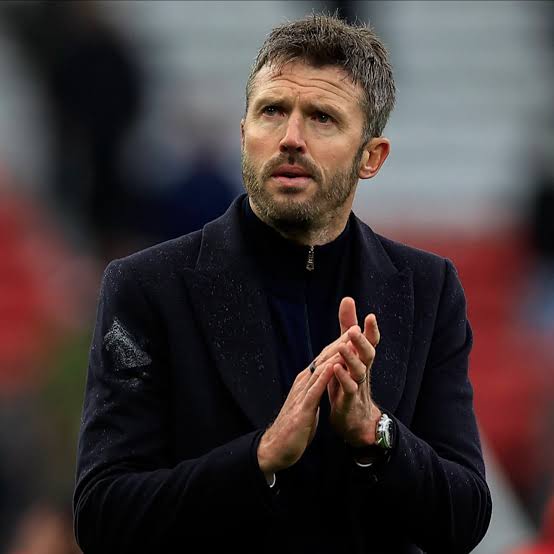
Manchester United manager Michael Carrick has dismissed suggestions that he could resign from his position following his side’s disappointing 4-4 Premier League draw against Aston Villa on Sunday.
Despite United’s continued struggles to secure victories, the 45-year-old insists he remains committed to his responsibilities and is determined to work towards improving the team’s performances.
The entertaining encounter saw Manchester United fight back to secure a point, with Joshua Zirkzee and Patrick Dorgu both finding the net during stoppage time.
However, the late comeback was not enough to ease concerns surrounding the club’s disappointing run of results, with United heading into the two-week international break in the relegation zone.
Speaking to Sky Sports after the final whistle, Carrick acknowledged that his team had not collected enough victories but maintained that he was focused on moving forward rather than considering his future.
“We haven’t won enough games, but I expect to move forward and keep working on the things that we’ve been working on,” he said.
The United manager also pointed to some encouraging aspects of his team’s performance, while admitting that improvements were needed to prevent costly mistakes.
“Showing a lot of the good things in the game today, tighten up on a few mistakes and win football matches,” Carrick added.
His comments suggest that he remains determined to turn Manchester United’s fortunes around despite the mounting pressure surrounding the team’s results.
With the international break providing an opportunity to reassess their performances, Carrick will be expected to address the defensive weaknesses and inconsistency that have contributed to United’s difficult spell.


2027: Ohanaeze Tells Tinubu to Rebuild Ties with Ndigbo, Warns Against Taking Northern Support for Granted

Pochettino Eyes £120m Triple Transfer Deal to Rebuild Manchester United Squad in January

12 12 12: Meet the Cast of Apple TV’s Upcoming Heist Thriller
-
Gov. Ambode11 years ago
Lagos commences prosecution of 28 tax defaulters
-
Donald Trump6 years ago
Twitter, Facebook block Trump over Capitol attack posts
-
Politics9 years ago
Presidency reacts to Wole Soyinka’s comments about Buhari Being in a ‘Trance’
-
Fashion9 years ago
These ’90s fashion trends are making a comeback in 2017
-
Entertainment9 years ago
The final 6 ‘Game of Thrones’ episodes might feel like a full season
-

 Entertainment3 years ago
Portable boasts of owning 30 Mansion Across Lagos and Ogun State
-
Fashion9 years ago
According to Dior Couture, this taboo fashion accessory is back
-
 Mohbad2 years ago
DNA Test Demanded for Mohbad’s Son Before Singer’s Burial