
Business
Elon Musk Promises Two SpaceX Shares for American Children

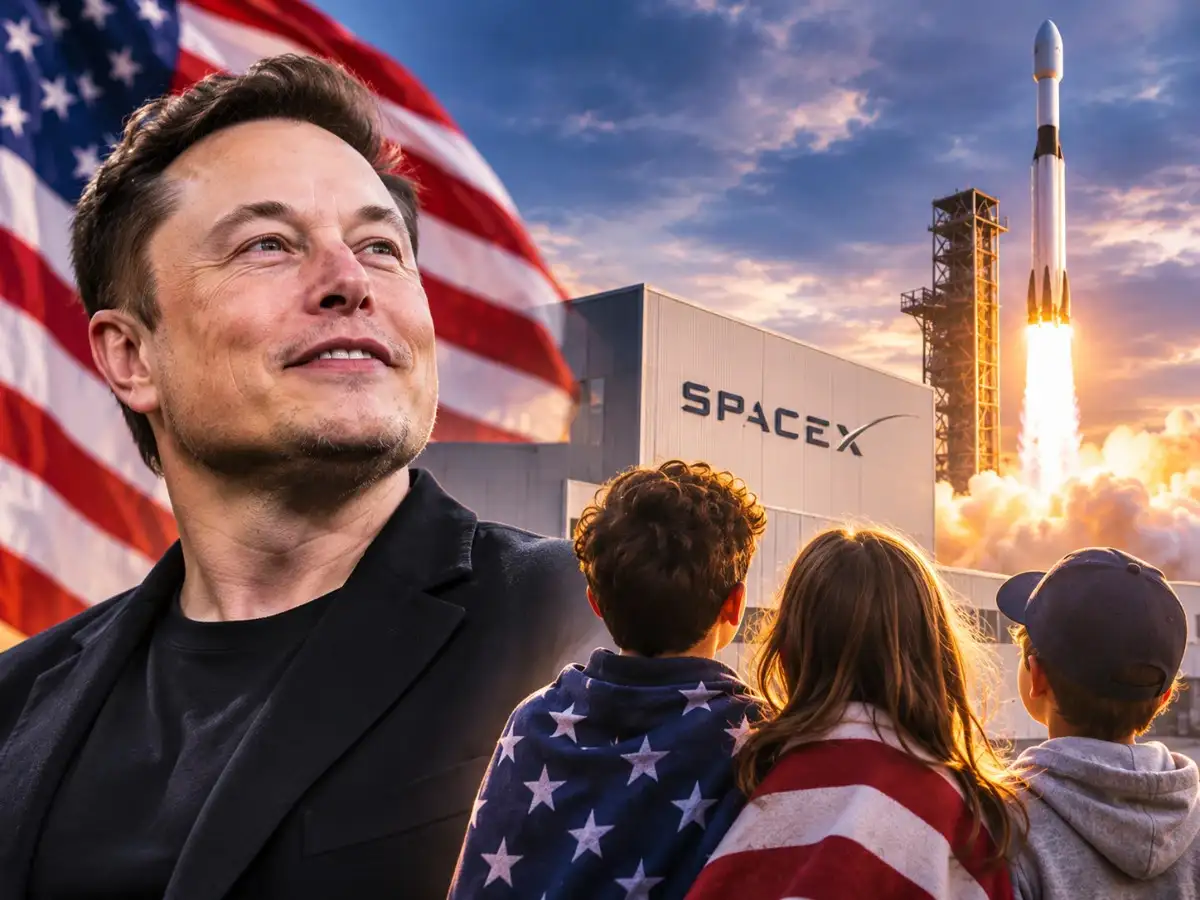
Elon Musk Announces Nearly $18 Billion SpaceX Share Giveaway for American Children.
Elon Musk has announced an extraordinary plan to distribute SpaceX shares to children across the United States, potentially making millions of young Americans indirect participants in one of the world’s most closely watched private technology companies.
The billionaire’s announcement involves two shares for each eligible child under the proposed arrangement.
One share is expected to come from SpaceX itself, while Musk intends to contribute another from his personal holdings.
The combined value of the proposed giveaway has been estimated at approximately $18 billion.
How Will the SpaceX Shares Be Distributed?
SpaceX announced on November 25 that it would contribute one newly issued Class A share to every currently active Trump Account.
Musk subsequently said he would personally match the company’s contribution.
Trump Accounts are tax-advantaged investment accounts designed to help eligible American children build long-term financial savings.
The company’s contribution is expected to be transferred in December 2026.
Musk’s personal contribution is expected after his shareholding lockup expires in June 2027.
The exact implementation conditions and eligibility arrangements remain important considerations, particularly because the number of active accounts has not been publicly established.
Why Is the Giveaway Worth So Much?
Reuters estimated the combined pledge at approximately $18 billion using SpaceX’s November 25 closing share price of $127.44 and an estimated population of around 72 million American children under 18.
That valuation is an estimate rather than a confirmed cash donation.
The initiative is also attracting attention because SpaceX is expanding its activities beyond conventional rocket launches into artificial intelligence infrastructure and satellite technology.
SpaceX’s Expanding Technology Ambitions
The announcement came shortly after the Federal Communications Commission approved a proposal allowing SpaceX to deploy up to one million satellites intended to support space-based data centres.
The proposal has attracted criticism from astronomers concerned about the potential impact of large satellite constellations on scientific observations.
Musk’s share giveaway could therefore have implications beyond philanthropy, particularly in how ordinary Americans participate in the economic future of SpaceX.
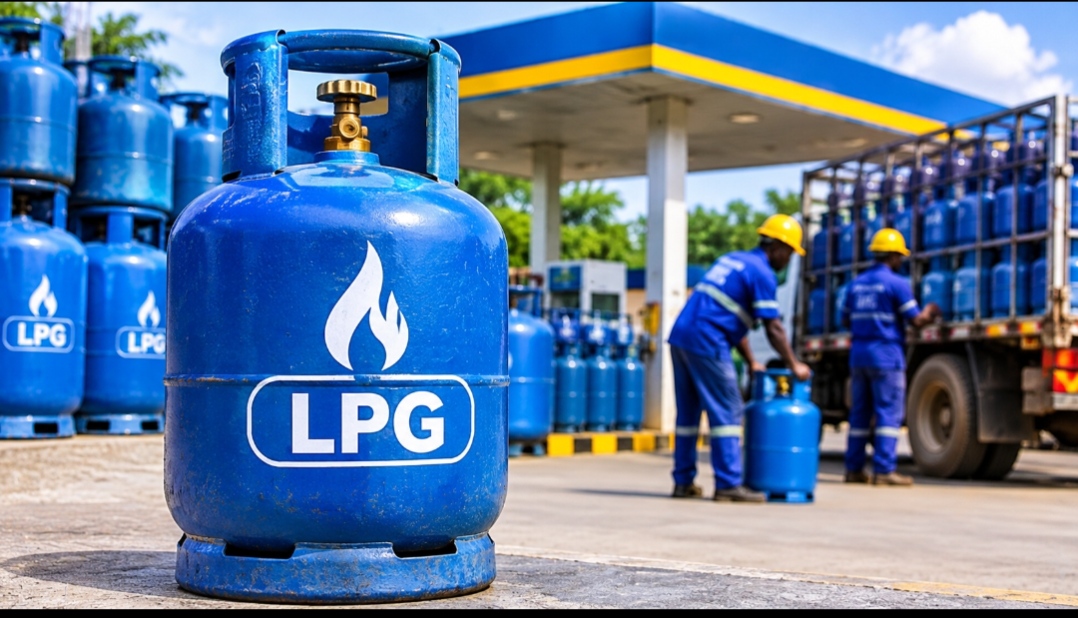
The cost of cooking gas in Nigeria has remained relatively high as demand for Liquefied Petroleum Gas (LPG) increases ahead of the festive season.
Cooking gas prices in Nigeria remain high ahead of the festive season, with retail prices reaching ₦1,700 per kilogram in parts of Abuja.
A market survey conducted by SteadyGist on Sunday revealed that gantry and ex-depot prices of cooking gas currently range between ₦1,080 and ₦1,260 per kilogram across different suppliers.
The development comes at a time when many Nigerian households are preparing for increased food consumption and other domestic activities associated with the festive period.
Dangote Refinery, NIPCO and Other Depot Prices
Findings from the market survey showed noticeable differences in cooking gas prices among major suppliers.
Dangote Refinery reportedly offered LPG at ₦1,080 per kilogram, making it the cheapest among the suppliers covered by the survey.
Meanwhile, Techno Oil, Mobil and the Nigerian Independent Petroleum Company (NIPCO) sold the product at prices ranging between ₦1,250 and ₦1,260 per kilogram.
This represents a price difference of as much as ₦180 per kilogram between Dangote Refinery and some other depot operators.
The difference in depot prices could influence the amount consumers eventually pay at retail outlets.
Cooking Gas Retail Prices in Abuja
At the retail level, cooking gas prices were considerably higher than the rates recorded at the depots.
The survey showed that filling stations operated by Ranoil, MRS and the Nigerian National Petroleum Company Limited (NNPCL) in Abuja and surrounding areas sold cooking gas at approximately ₦1,500 to ₦1,550 per kilogram.
However, consumers purchasing from smaller LPG retail outlets encountered even higher prices.
In areas such as Dawaki, Gwarimpa, Kubwa and Lugbe, micro-LPG retailers sold cooking gas at prices ranging between ₦1,650 and ₦1,700 per kilogram.
The figures highlight the additional costs associated with distributing cooking gas from depots to smaller retail outlets.
Why Cooking Gas Prices May Remain High Until January
Industry stakeholders have previously expressed concerns about the possibility of continued increases in cooking gas prices during the festive period.
NIPCO spokesperson, Lawal Taofeek, had earlier indicated that LPG prices could remain elevated between November and January due to increased demand.
The period typically witnesses higher household consumption as families prepare meals and celebrate the Christmas and New Year festivities.
Increased demand during this period could put additional pressure on supply and distribution, potentially keeping retail prices high.
What Nigerians Should Expect From Cooking Gas Prices
With the festive season approaching, Nigerian households may continue to face significant expenses when purchasing cooking gas.
The difference between depot and retail prices also shows how transportation, distribution and other operating expenses can affect the final amount paid by consumers.
For households that depend heavily on LPG for cooking, keeping track of prices across different suppliers and retail outlets could help reduce domestic expenses.
Consumers will also be watching developments in the petroleum market to see whether increased supply or changes in depot prices will bring some relief in the coming weeks.
For now, cooking gas prices remain relatively high, with some retail outlets in Abuja selling the product for as much as ₦1,700 per kilogram.

Dangote Refinery has announced another reduction in its petrol price, bringing the cost of Premium Motor Spirit (PMS) down by ₦21 per litre as the company prepares for its planned listing on the Nigerian Exchange Limited (NGX).
Dangote Refinery reduces petrol price by ₦21 to ₦1,039 per litre ahead of its planned December 1 listing on the Nigerian Exchange.
A market survey conducted by Steady Gist on Sunday revealed that the refinery reduced its gantry price from ₦1,060 to ₦1,039 per litre.
The latest adjustment represents another price cut by the 700,000-barrel-per-day facility, which is owned by Nigerian billionaire businessman Aliko Dangote.
The development comes just days before the refinery’s scheduled share listing on the Nigerian Exchange on December 1, 2026.
Dangote Refinery Petrol Price Drops to ₦1,039 Per Litre
According to the market survey, the latest reduction brings the refinery’s petrol selling price at the gantry to ₦1,039 per litre, compared with the previous rate of ₦1,060.
This represents a ₦21 reduction per litre and is expected to influence pricing decisions among petroleum marketers purchasing products directly from the refinery.
Meanwhile, figures from the Major Energies Marketers Association of Nigeria (MEMAN) showed that the estimated import parity price of petrol stood at ₦958.52 per litre.
The figure was contained in MEMAN’s market bulletin dated November 26, 2026.
Depot Owners Adjust Petrol Prices Amid Competition
Despite the latest adjustment by Dangote Refinery, some independent petroleum depot operators maintained relatively higher prices.
Market information showed that depot owners, including Optima and Integrated, offered petrol at ex-depot prices ranging between ₦1,045 and ₦1,060 per litre.
The difference in pricing reflects the changing dynamics within Nigeria’s downstream petroleum market as local refining and imported petroleum products compete for market share.
Dangote Refinery Previously Reduced Petrol Price by ₦99
The latest ₦21 reduction follows another significant price adjustment announced by the Lekki-based refinery days earlier.
On that occasion, the refinery reportedly reduced its petrol price by ₦99 per litre, adding to the series of downward adjustments recorded in the petroleum market.
These successive reductions have encouraged several filling stations and independent fuel retailers to review their pump prices.
According to reports, some filling stations have adjusted their petrol prices to between ₦1,240 and ₦1,320 per litre following the recent reductions in Dangote Refinery’s gantry prices and imported petrol costs.
What the Latest Petrol Price Reduction Means for Nigerians
The latest adjustment could result in further price reviews by petroleum marketers and filling station operators sourcing their products from Dangote Refinery.
However, the actual pump price consumers pay will continue to depend on factors such as transportation expenses, distribution costs, depot prices and individual retailers’ pricing decisions.
For Nigerian motorists and households, further reductions could provide some relief from the high cost of transportation and other expenses associated with petrol consumption.
With the refinery continuing to adjust its gantry prices, attention will remain on how other petroleum marketers respond and whether additional reductions will eventually translate into lower prices at filling stations across the country.
The latest development also comes at an important period for Dangote Refinery as it prepares for its planned December 1, 2026, listing on the Nigerian Exchange.

Nvidia’s Jensen Huang Faces Fresh Questions as US Senator Demands Answers Over CEO Reinstatement
Nvidia has become the subject of fresh political and regulatory attention after a senior Democratic senator demanded explanations from the company regarding the circumstances surrounding Jensen Huang’s departure and subsequent return as chief executive.
The development follows an unusual leadership episode that has attracted attention across the technology and financial markets.
Senator Cory Booker of New Jersey requested information from Nvidia about communications between the company’s board and the Trump administration during the period surrounding Huang’s resignation and reinstatement.
The request also raises questions about the company’s market dominance and its responsibilities as a major supplier of artificial intelligence technology.
Why Did Jensen Huang Leave Nvidia?
According to Reuters reporting, Huang stepped down from his leadership position on November 12 amid reports concerning alleged personal relationships, including an allegation involving a woman suspected of having connections to Chinese intelligence.
These allegations have attracted scrutiny, but they should not be treated as established proof of espionage or misconduct.
Following the development, the company’s board eventually reinstated Huang on Monday after President Donald Trump publicly supported his return.
Why Is Congress Asking Questions?
Senator Booker wants Nvidia to provide details about communications involving the Trump administration and its board during the leadership dispute.
He has also requested that the company preserve relevant board records and provide information about an independent investigation into its compliance with US export controls.
Booker argues that Nvidia’s market position raises important questions about how much influence a single technology company should have over the wider economy.
Nvidia Shares React to the Leadership Drama
The leadership developments also affected financial markets.
Reuters reported that Nvidia shares rose by more than 31% following Huang’s reinstatement before experiencing another decline during subsequent trading.
The sharp movements attracted attention because Nvidia is one of the world’s most influential artificial intelligence companies.
What Happens Next?
Congressional scrutiny is expected to continue in December.
Huang is scheduled to appear before the House Intelligence Committee in a closed-door session on December 1.
He is also expected to participate in a public Senate Banking Committee hearing on December 3.
The hearings could provide lawmakers with an opportunity to examine Nvidia’s business practices, its relationship with the federal government and its role in supplying advanced chips.
The outcome could have implications for America’s technology industry and its approach to competition with China.
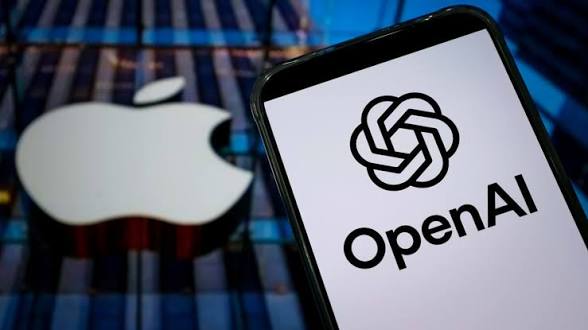
OpenAI Takes Apple to Court Over Alleged Trade Secret Theft as AI Rivalry Intensifies
The competition between two of the world’s most influential technology companies has entered another dramatic legal chapter after OpenAI filed counterclaims against Apple, accusing the iPhone manufacturer of stealing confidential business information and attempting to restrict competition.
The legal action was filed in a California federal court on Friday, November 27.
The dispute follows an earlier lawsuit initiated by Apple against OpenAI and two former Apple employees, accusing them of misappropriating confidential information to support OpenAI’s expansion into consumer hardware.
OpenAI has now responded with its own allegations, turning the disagreement into a much larger legal battle.
What Is OpenAI Accusing Apple Of?
In its court filing, OpenAI alleged that Apple’s employment practices were designed to discourage employees from leaving for competing technology companies.
The ChatGPT developer also accused Apple of using its market influence to discourage hardware suppliers from working with companies developing competing products.
One particularly important allegation concerns a former Apple employee who worked at OpenAI for approximately six months before returning to Apple.
OpenAI claims that the individual had access to confidential information about its planned devices and future product developments during that period.
The company alleges that confidential product information was subsequently obtained by Apple.
These are allegations made in court filings and have not been established as facts by a court.
Apple’s Response to OpenAI
Apple rejected the accusations and described OpenAI’s counterclaims as an attempt to distract attention from the original lawsuit.
The iPhone manufacturer also denied using the former employee to obtain confidential information.
Apple had previously accused OpenAI of recruiting former employees to obtain information about hardware designs, suppliers and other proprietary technologies.
OpenAI has denied those allegations as well.
Why Are These Two Companies Fighting?
The disagreement reflects the growing competition to control the next generation of consumer technology.
For years, Apple has dominated the smartphone market through its iPhone ecosystem.
OpenAI, meanwhile, has become a major player in artificial intelligence through ChatGPT and its expanding technology ambitions.
The company is also developing AI-enabled personal devices that could eventually compete with traditional consumer electronics.
OpenAI’s acquisition of former Apple design chief Jony Ive’s hardware startup, io Products, has added another dimension to the rivalry.
What Happens Next?
The legal battle could have important implications for the future of AI hardware.
If OpenAI successfully develops consumer devices capable of competing with established smartphone manufacturers, the relationship between artificial intelligence companies and traditional technology businesses could change significantly.
For now, both companies are defending their positions in court, and the allegations remain unresolved.
The case also highlights how competition for experienced engineers, confidential product designs and technological innovation is becoming increasingly important in the artificial intelligence industry.


Damilola Bolarinde Makes History as Nigeria’s First Miss International Africa 2026

2Baba Releases First Album in Six Years, Drops 15-Track Project ‘Oldest Young Man’

Hilda Dokubo Questions Remi Tinubu Over Planned Cash Gifts to Delta Residents
-
Donald Trump6 years ago
Twitter, Facebook block Trump over Capitol attack posts
-
Politics9 years ago
Presidency reacts to Wole Soyinka’s comments about Buhari Being in a ‘Trance’
-
Gov. Ambode11 years ago
Lagos commences prosecution of 28 tax defaulters
-
Fashion9 years ago
These ’90s fashion trends are making a comeback in 2017
-
Entertainment9 years ago
The final 6 ‘Game of Thrones’ episodes might feel like a full season
-

 Entertainment3 years ago
Portable boasts of owning 30 Mansion Across Lagos and Ogun State
-
Fashion9 years ago
According to Dior Couture, this taboo fashion accessory is back
-
 Mohbad3 years ago
DNA Test Demanded for Mohbad’s Son Before Singer’s Burial